VAF 10of10 feature Interview – Najmun Nahar Keya
Celebrating 10 Years of the Visual Artist Fellowship
Sakshi Gupta
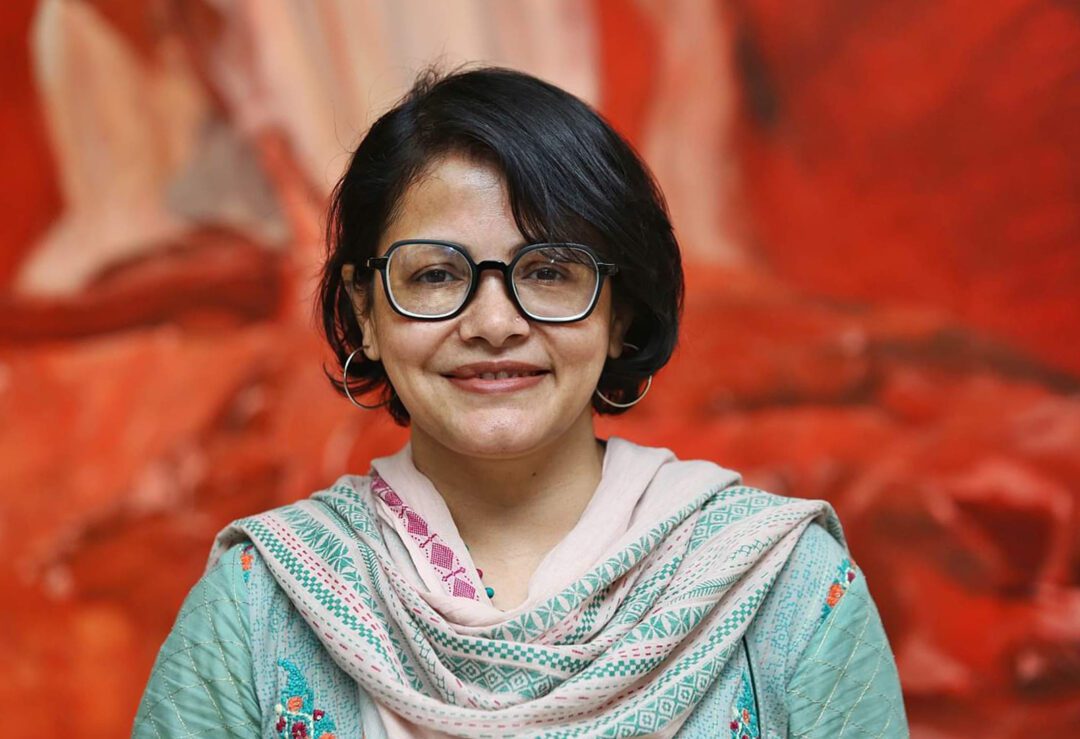
Najmun Nahar Keya
Looking back, how did your time as a Visiting Artist Fellow shape your artistic practice or career?
Receiving the Harvard Visiting Artist Fellowship in 2020 was a transformative experience that profoundly impacted my artistic journey. This opportunity not only enhanced my art practice but also reshaped my thought process, encouraging me to think in new and innovative ways. During the pandemic, the fellowship proved invaluable in helping me recover from mental trauma, providing a constructive outlet that kept me engaged with my artistic practice. It offered a nurturing environment that allowed me to explore my creativity more deeply, ultimately leading to significant growth in my artistic career.
Were there any specific experiences, people, or opportunities during the fellowship that had a lasting impact on you?
The fellowship served as a vital bridge, enabling me to forge meaningful friendships and connect deeply with a diverse array of artists and their unique practices. The bonds we formed during this time have endured, and I cherish the ongoing relationships with all my fellow participants.
Moreover, the guidance I received from esteemed academics, established artists, and curators was invaluable in shaping my artistic journey. Notably, Nora Schultz’s lecture on Studio Languages, along with insights from Jinah Kim and Siddhartha Shah, significantly enriched my understanding and approach to my work.
How has your work evolved since your fellowship at Harvard? What are you currently working on or excited about in your practice?
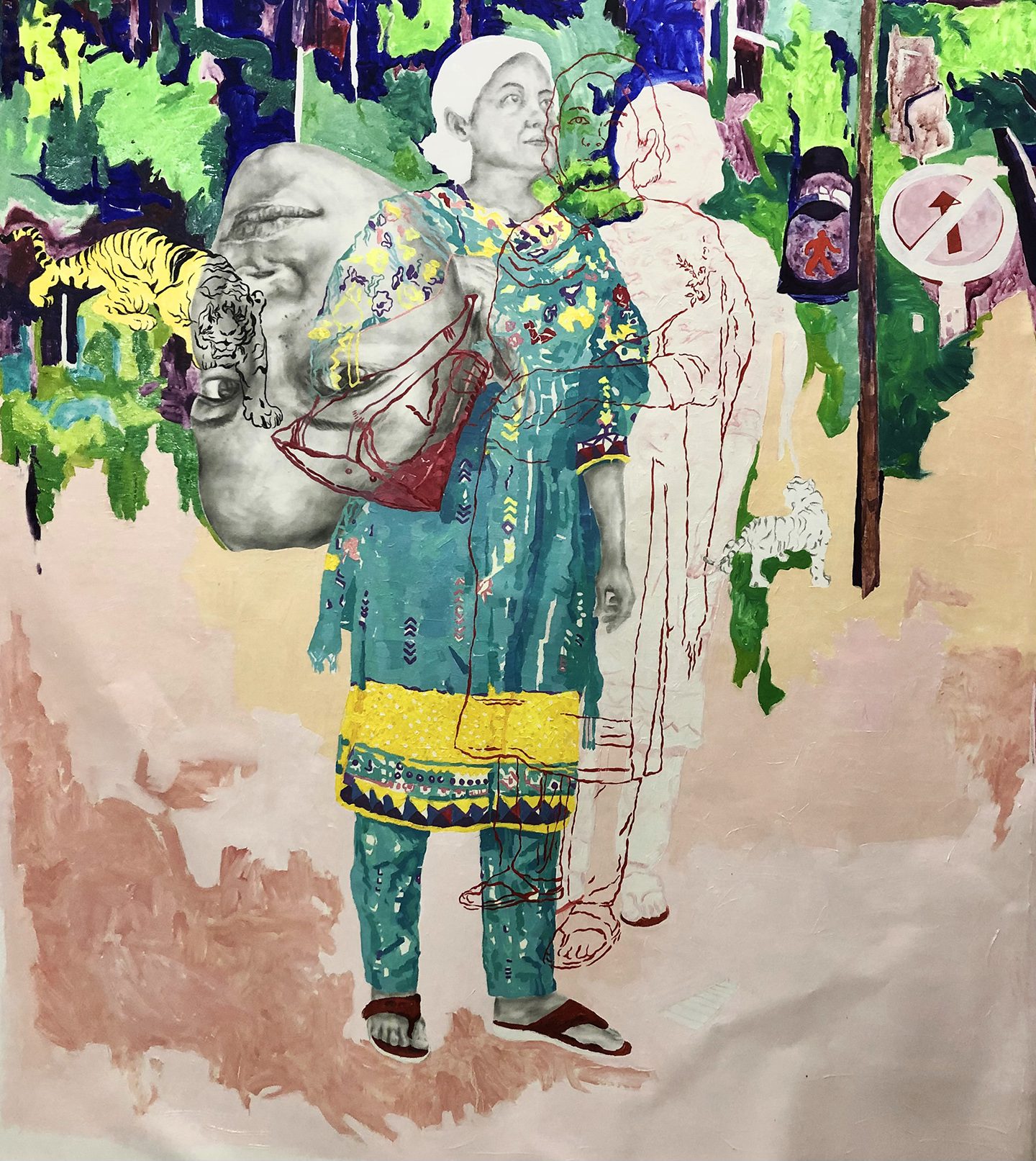
Since my time at Harvard, my practice has undergone a substantial transformation. I’ve experimented extensively with diverse materials and embraced large-scale work across multiple media— particularly textiles and large-scale drawing and painting—while pushing the boundaries of scale in my practice. What excites me most now is the intersection of my studio practice with art education. Joining Jagannath University’s painting department has been particularly meaningful, especially given that 70% of our students are female. I’m genuinely excited about creating collaborative projects that amplify these emerging women artists’ voices and foster a supportive creative community. This educational role has become equally important to my creative practice.
How has your work evolved since your fellowship at Harvard? What are you currently working on or excited about in your practice?
Since my time at Harvard, my practice has undergone a substantial transformation. I’ve experimented extensively with diverse materials and embraced large-scale work across multiple media— particularly textiles and large-scale drawing and painting—while pushing the boundaries of scale in my practice.
What excites me most now is the intersection of my studio practice with art education. Joining Jagannath University’s painting department has been particularly meaningful, especially given that 70% of our students are female. I’m genuinely excited about creating collaborative projects that amplify these emerging women artists’ voices and foster a supportive creative community. This educational role has become equally important to my creative practice.
Whose work is inspiring you right now, and why?
Hieronymus Bosch and Pia Camil are my primary inspirations right now. Bosch’s work captivates me—his highly individualistic narratives probe humanity’s deepest desires and fears with remarkable psychological depth. This drives me to create work rooted in my own social reality, translating contemporary concerns into visual language.
Pia Camil’s practice energizes me in different ways. Her bold approach to large-scale installation work, particularly her integration of textiles, provides a conceptual and technical blueprint for the ambitious projects I’m developing. Her work demonstrates how these materials can carry meaning on a monumental scale.
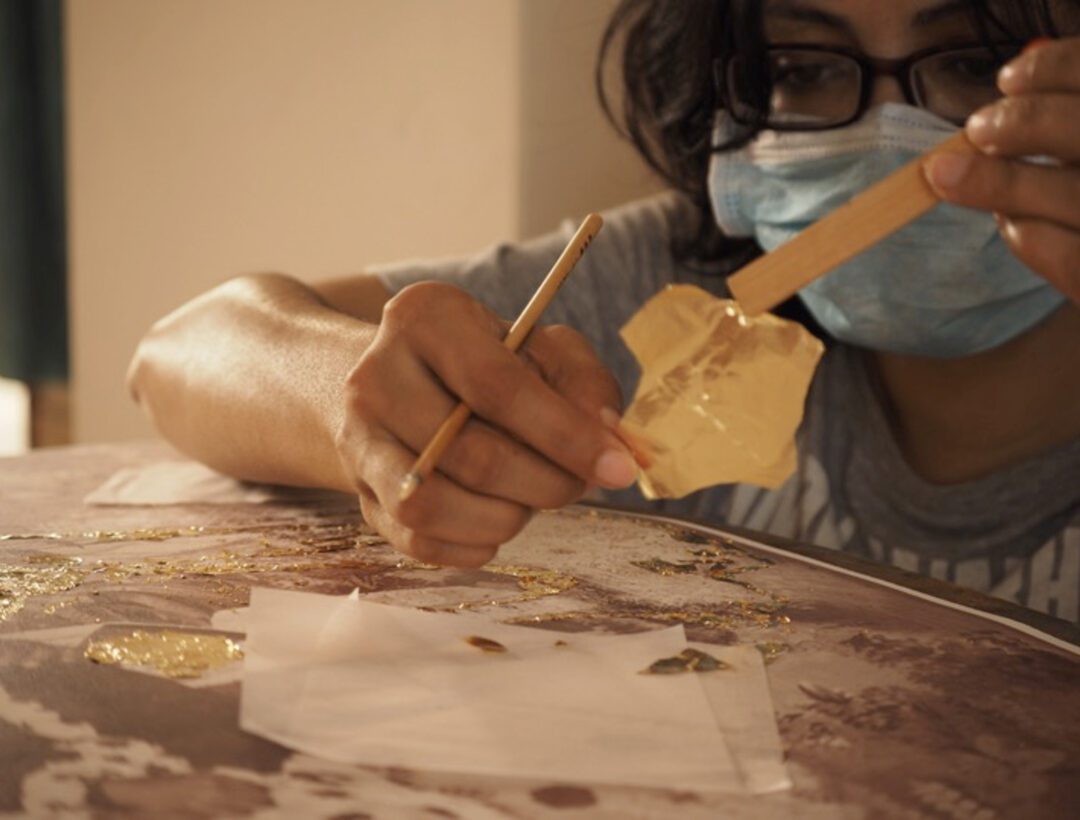
Share one image that captures something meaningful about your practice today. This could be a recent artwork, a studio moment, or you at work.
Screenshot
I love working with gold leaf; it has become a cornerstone of my artistic practice. The traditional techniques I learned at the Tokyo University of the Arts are more than just a method—they are a meditative ritual that brings me a sense of calm and relaxation.
Explore more of the artist’s work here
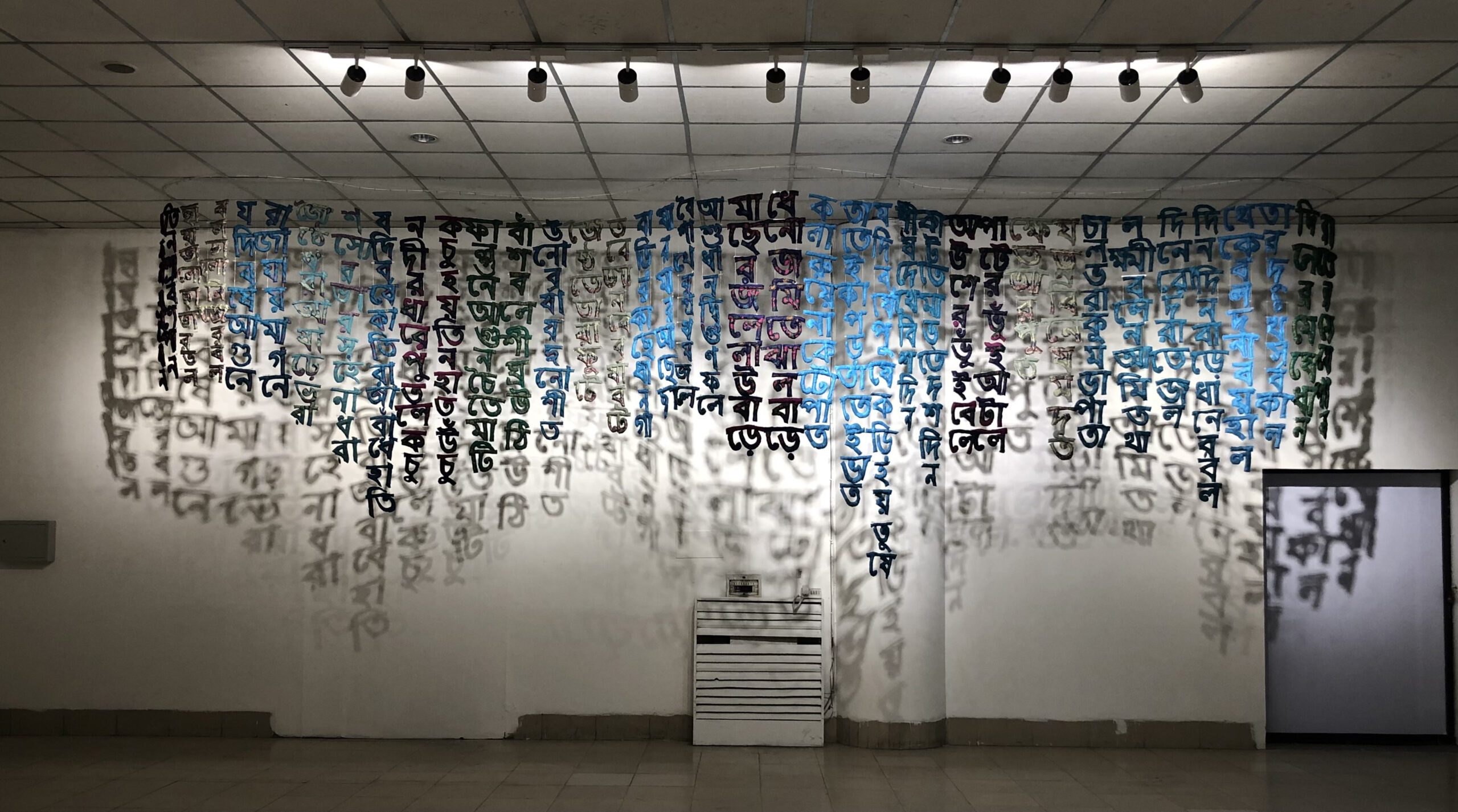
Image 1
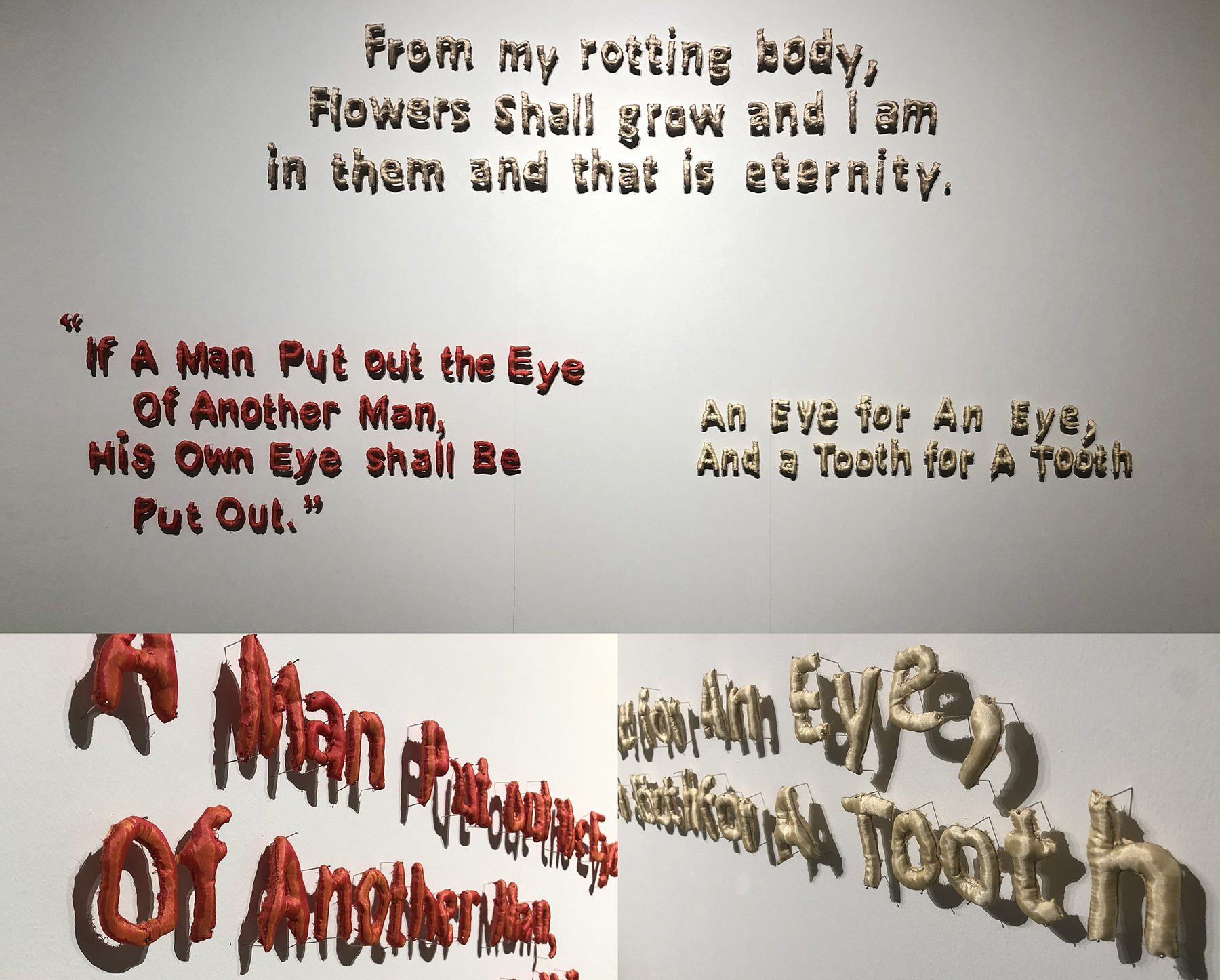
Image-2
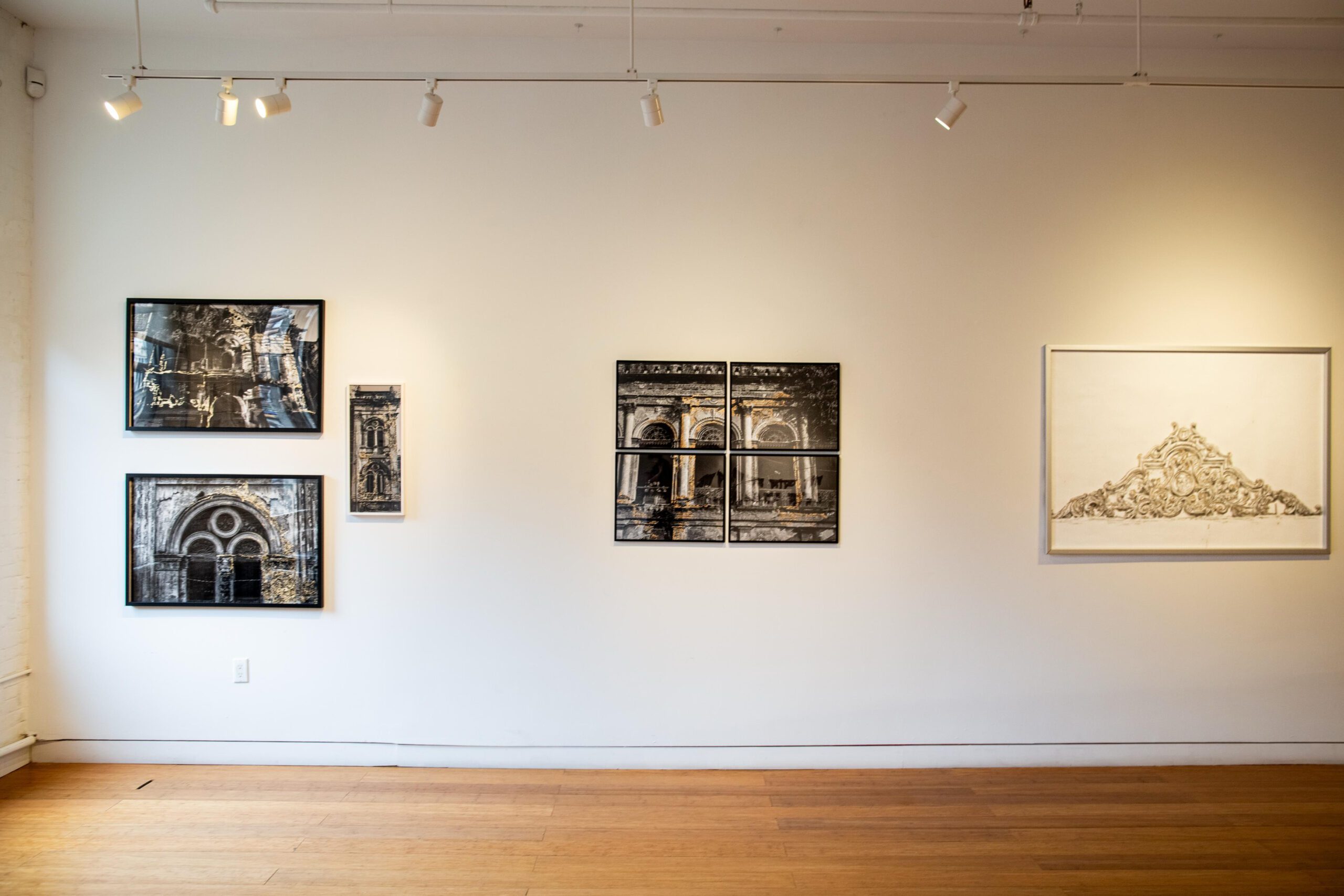
Image-3
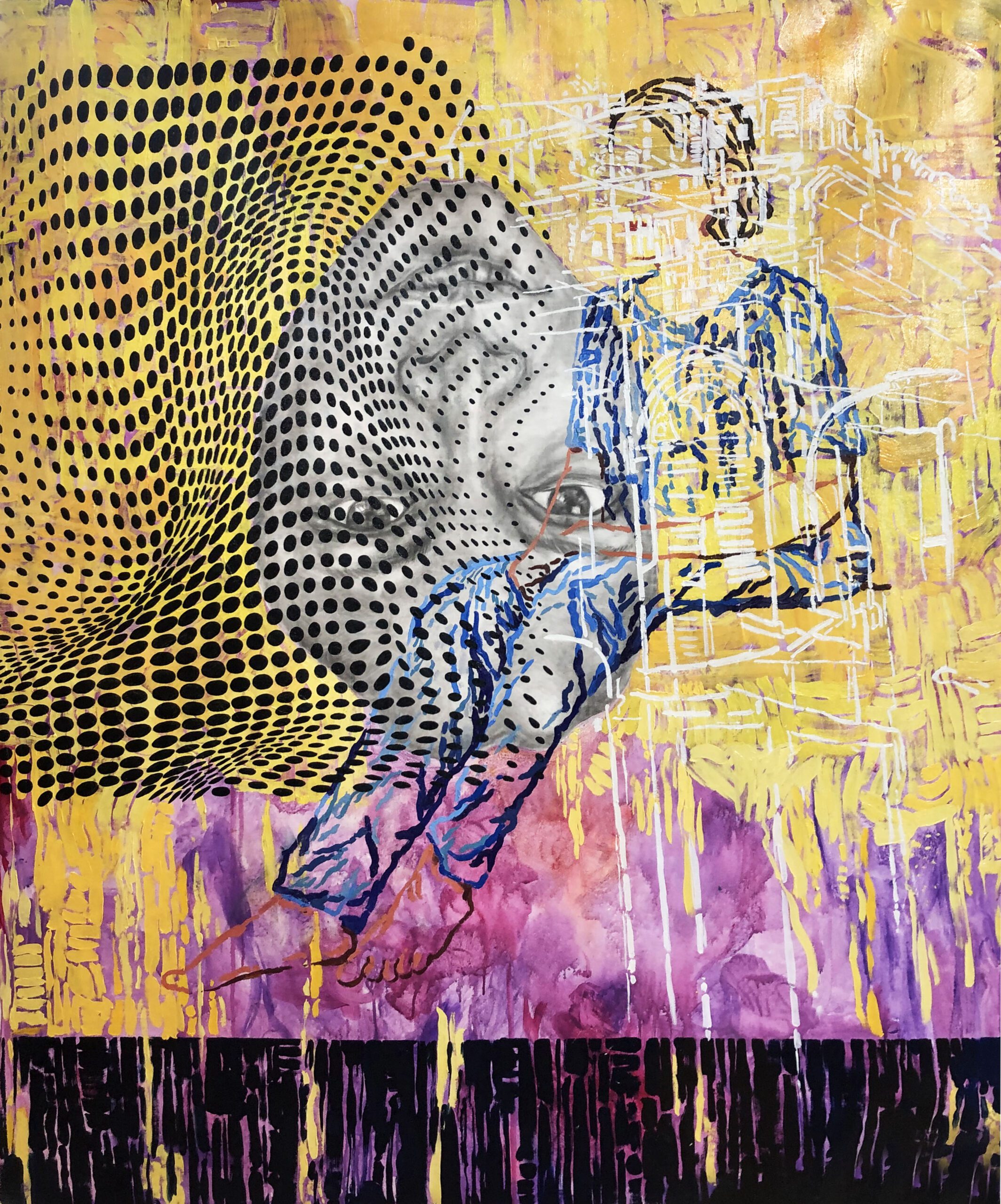
Image-4