Select Page

Category : News


A Space for Connection: Harvard’s South Asian Women’s Collective
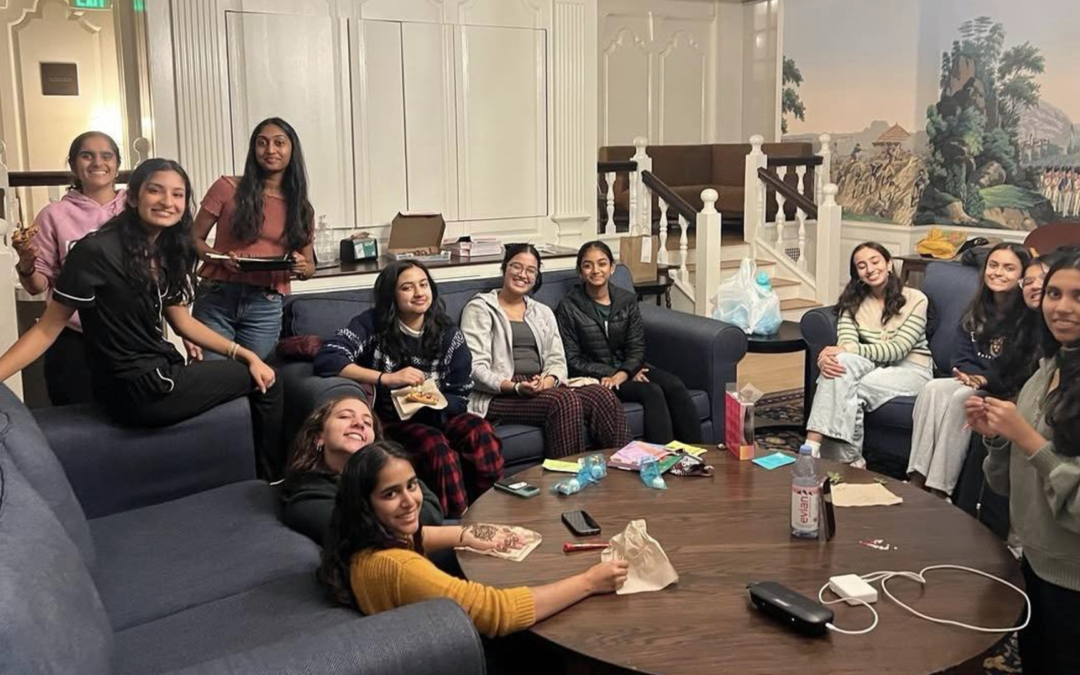
A Space for Connection: Harvard’s South Asian Women’s Collective

The South Asian Women’s Collective (SAWC) brings together students at Harvard to celebrate their shared cultures, explore questions of identity, and build a community grounded in connection and support. In this Q&A, juniors Nishi Patel, who immigrated from Gujarat, India, and Mahi Patel, from Ohio, discuss how SAWC creates space for the diverse experiences of South Asian women, the importance of representation and belonging, and the events and collaborations they’re looking forward to this academic year.

Evaluating Crop Insurance as Climate Policy: Research Highlights Lessons from Odisha

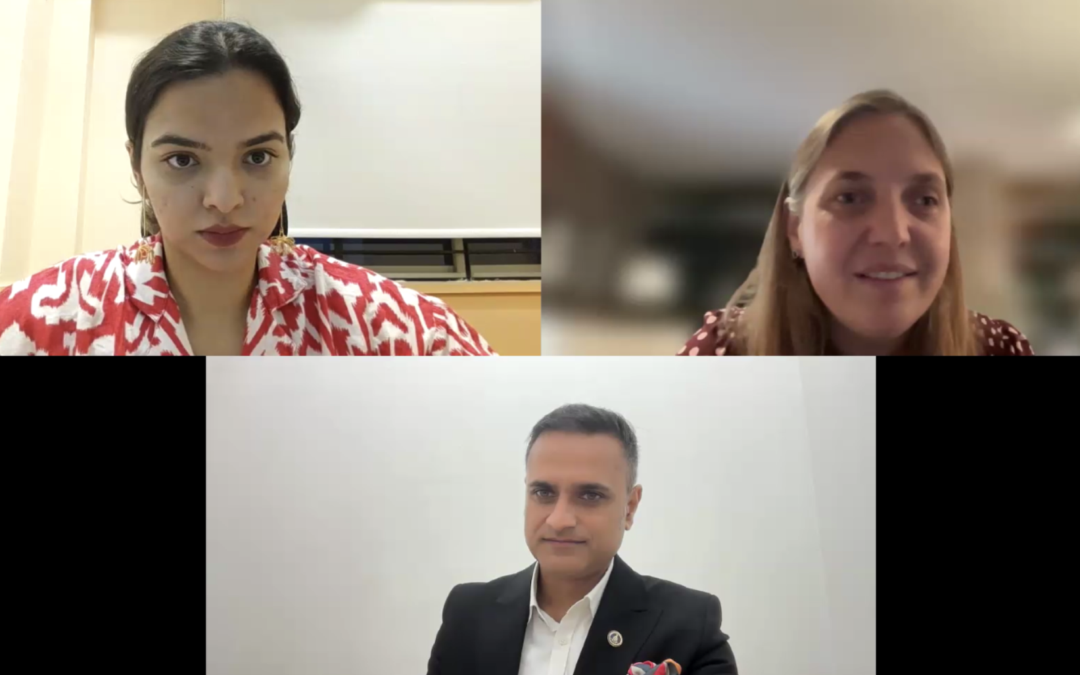
Evaluating Crop Insurance as Climate Policy: Research Highlights Lessons from Odisha

As climate shocks increasingly affect agricultural livelihoods, crop insurance is becoming an important tool for helping farmers manage risk. At the webinar “Evaluating Crop Insurance as Climate Policy,” speakers examined India’s experience with crop insurance, the evolution of the Pradhan Mantri Fasal Bima Yojana (PMFBY), and new research from Odisha on what influences farmers’ decisions to enrol and benefit from crop insurance. The research was supported by the Mittal Institute through a Faculty Grant to Professor Emily Breza, facilitating the team’s work on climate resilience in Odisha. 

Support for South Asia Research: Faculty Grants Now Open

Support for South Asia Research: Faculty Grants Now Open

The Mittal Institute invites Harvard faculty from across the university to apply for funding for research related to any of the countries we work with in South Asia: Afghanistan, Bangladesh, Bhutan, India, Maldives, Myanmar, Nepal, Pakistan, and/or Sri Lanka. This opportunity is open to all Harvard University faculty members. Applications are due by December 4, 2026.

The Mittal Institute Presents the 2025-26 Year in Review Report

The Mittal Institute Presents the 2025-26 Year in Review Report

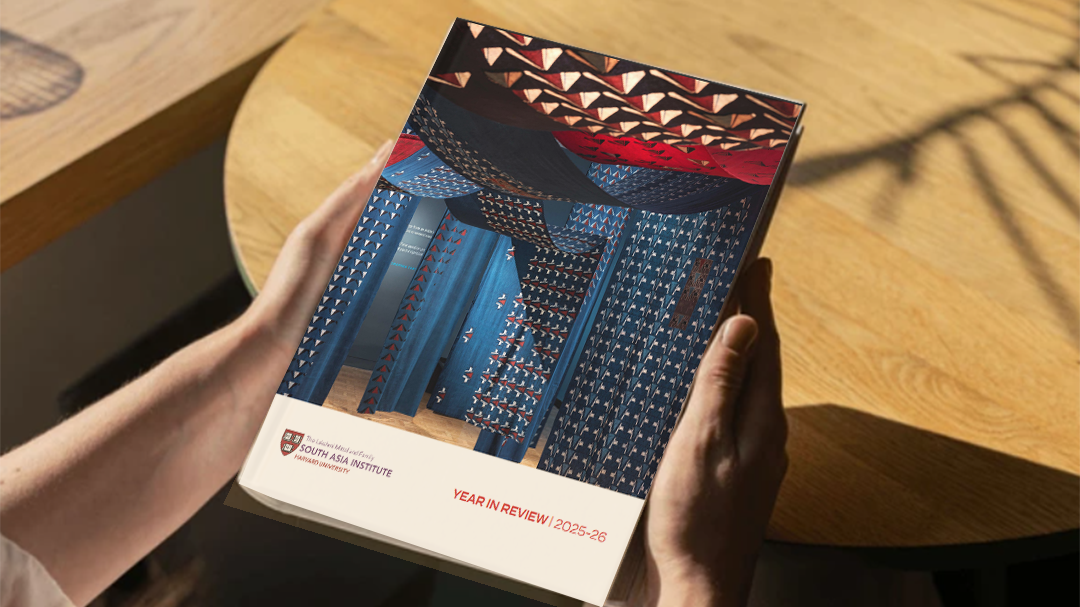
The Mittal Institute is excited to announce the release of the 2025–26 Year in Review report. As every year, the comprehensive Year in Review Report includes updates on all major faculty-led programs, lists awards and fellowships, highlights the work of students, student organizations, and scholars, and summarizes events and other achievements. The report offers valuable insights into the institute’s mission of connecting Harvard and South Asia. 

Vaishnavi Patil’s Journey from Harvard Ph.D. to The Metropolitan Museum of Art

Vaishnavi Patil’s Journey from Harvard Ph.D. to The Metropolitan Museum of Art

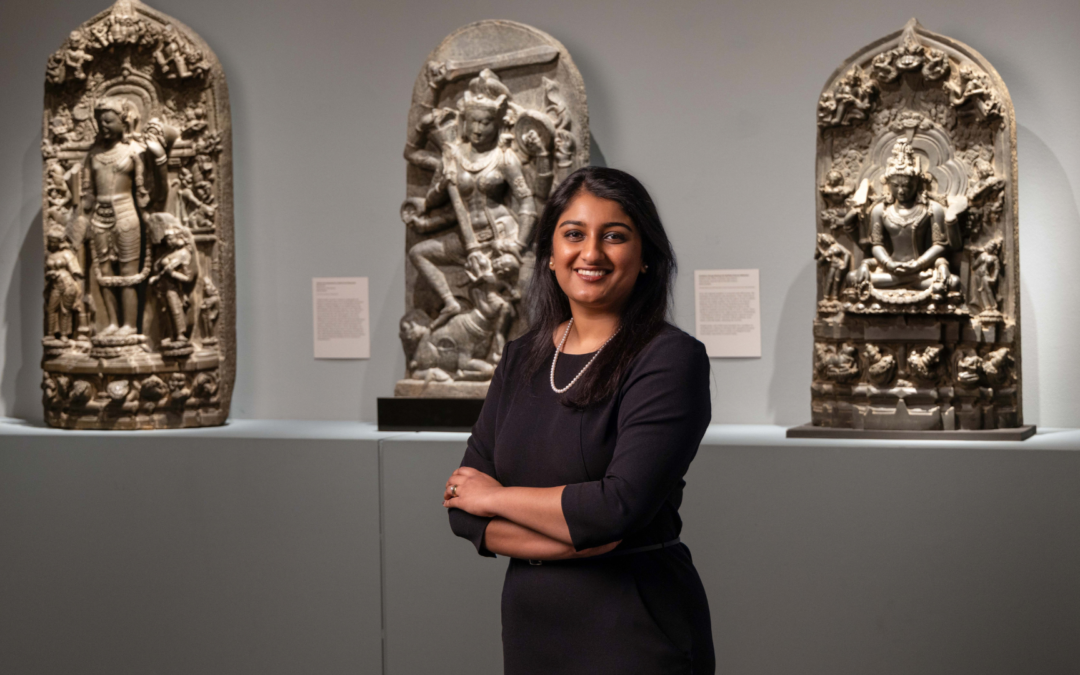
Vaishnavi Patil, an alumna of the Mittal Institute’s Graduate Student Associate program, earned her Ph.D. from Harvard’s Department of History of Art and Architecture in May 2025. Her doctoral research examined female deities—particularly mother goddesses—and how religious production, patronage, and institutional development shaped their evolution across South and Southeast Asia. She has since joined the Metropolitan Museum of Art in New York as Assistant Curator of South and Southeast Asian Art. We spoke with Vaishnavi about her new role and how her time at Harvard shaped her career trajectory.

Building Brotherhood: Inside Harvard’s South Asian Men’s Collective

Building Brotherhood: Inside Harvard’s South Asian Men’s Collective

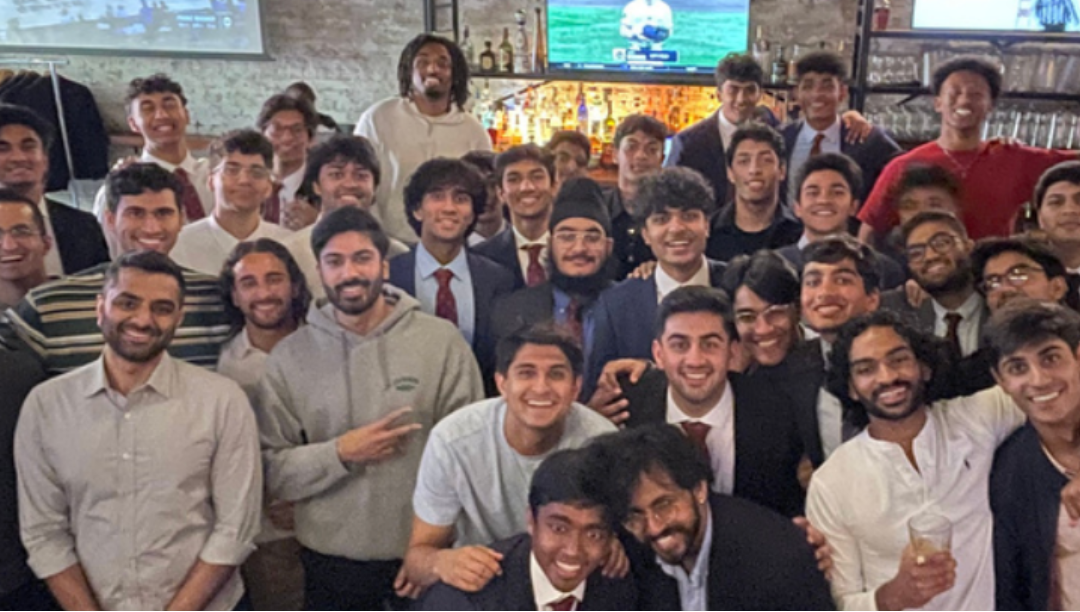
Now in its 11th year, the South Asian Men’s Collective (SAMC) brings Harvard College students together through weekly dinners, open conversations, mentorship, and its annual summit in New York. At the heart of the organization is a close-knit community where students can connect with others who share similar experiences and talk openly about identity, friendship, and life at Harvard. We spoke with three SAMC student leaders about the organization, what brotherhood means to them, and what they’re looking forward to in the year ahead.

Reclaiming Indigenous Histories Through Art: Artree Nepal at the Mittal Institute

Reclaiming Indigenous Histories Through Art: Artree Nepal at the Mittal Institute

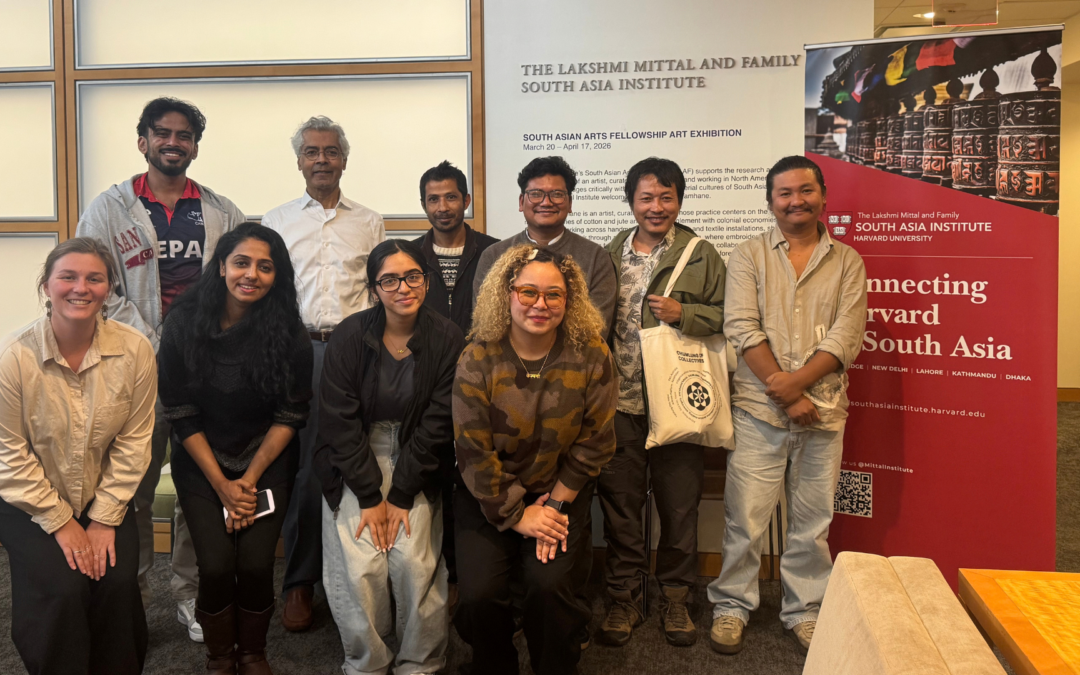
This week, we welcomed Artree Nepal, an Indigenous artists’ collective, to the Mittal Institute for a conversation about art, identity, and Indigenous cultures in Nepal. The collective brings together five artists from different Indigenous communities: Lavkant Chaudhary (Tharu), Mekh Limbu (Limbu), Subas Tamang (Tamang), Hit Man Gurung (Gurung), and Sheelasha Rajbhandari (Newa). The artists spoke about what motivates their work and their efforts to explore and reclaim Indigenous histories, knowledge, and cultural practices through contemporary art. They also shared their work on Tikā Chedna Angana, or “A Garden of Body Markings,” which explores traditional body-marking practices, including tikā, leela, and godana, and their significance for Indigenous communities, particularly women. The conversation offered a fascinating glimpse into Nepal’s rich cultural diversity and the ways artists are using creative practice to keep cultural knowledge and traditions alive while reimagining them for new generations. 

Mukulika Banerjee: Lessons in Democracy from an Indian Village

Mukulika Banerjee: Lessons in Democracy from an Indian Village

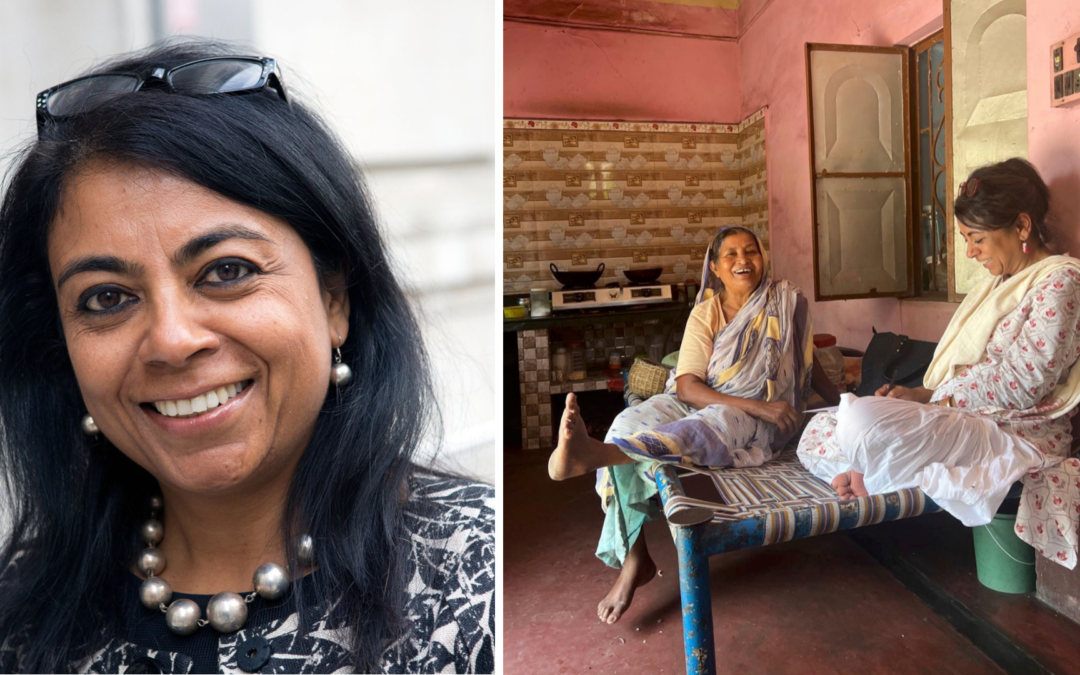
What can life in an Indian village teach us about democracy? In the upcoming Oct 14 talk, “Why Democracy Needs Cultivation: Lessons from an Indian Village”, Professor Mukulika Banerjee of the London School of Economics and Political Science draws on more than 20 years of ethnographic research to explore the connections between democracy, citizenship, farming, and everyday village life. Professor Banerjee’s research focuses on democracy, elections, citizenship, and political life in South Asia. She is the author of Cultivating Democracy: Politics and Citizenship in Agrarian India and Why India Votes?, and her work offers a close look at how democratic practices take shape in the everyday lives of citizens. We spoke with her about her research ahead of the talk, which is co-sponsored by the Mittal Institute and the Asia Center at Harvard University.

Union Health Secretary of India at Harvard

Union Health Secretary of India at Harvard

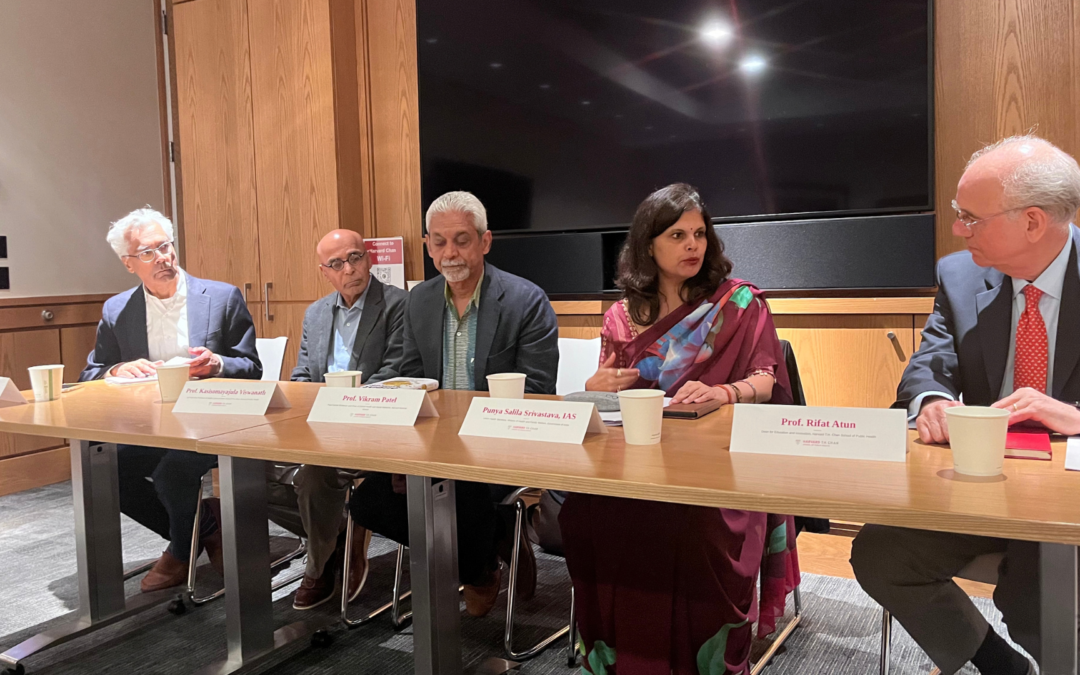
The Mittal Institute co-hosted a conversation with Punya Salila Srivastava, IAS, Union Health Secretary, Ministry of Health and Family Welfare, Government of India, hosted by the Harvard T.H. Chan School of Public Health, on major developments in public health in India. Secretary Srivastava provided an overview of India’s healthcare landscape and recent progress, including reductions in maternal mortality and progress toward Universal Health Coverage. Drawing on examples from across India’s health system, she highlighted efforts to leverage technology to improve health outcomes, strengthen pandemic preparedness, expand access to affordable care, and engage communities in advancing health programs.

Dr. Animesh Bag, Raghunathan Fellow, on Race, Migration, and the Power of Print

Dr. Animesh Bag, Raghunathan Fellow, on Race, Migration, and the Power of Print

Dr. Animesh Bag, the Mittal Institute’s Raghunathan Family Fellow, is exploring how American print culture shaped perceptions of India and Indian immigrants in the early twentieth century. He is working with Prof. Sugata Bose, Gardiner Professor of Oceanic History and Affairs, Harvard University Department of History. Dr. Bag’s research examines newspapers, magazines, missionary publications, and revolutionary writings to trace how ideas about race, immigration, and belonging were produced and challenged across borders. We spoke with Bag about what brought him to this research, what he is uncovering in the archives, and what these histories can tell us about race, migration, and representation today.

From Chile to Kerala: Exploring Fragmented Citizenship

From Chile to Kerala: Exploring Fragmented Citizenship

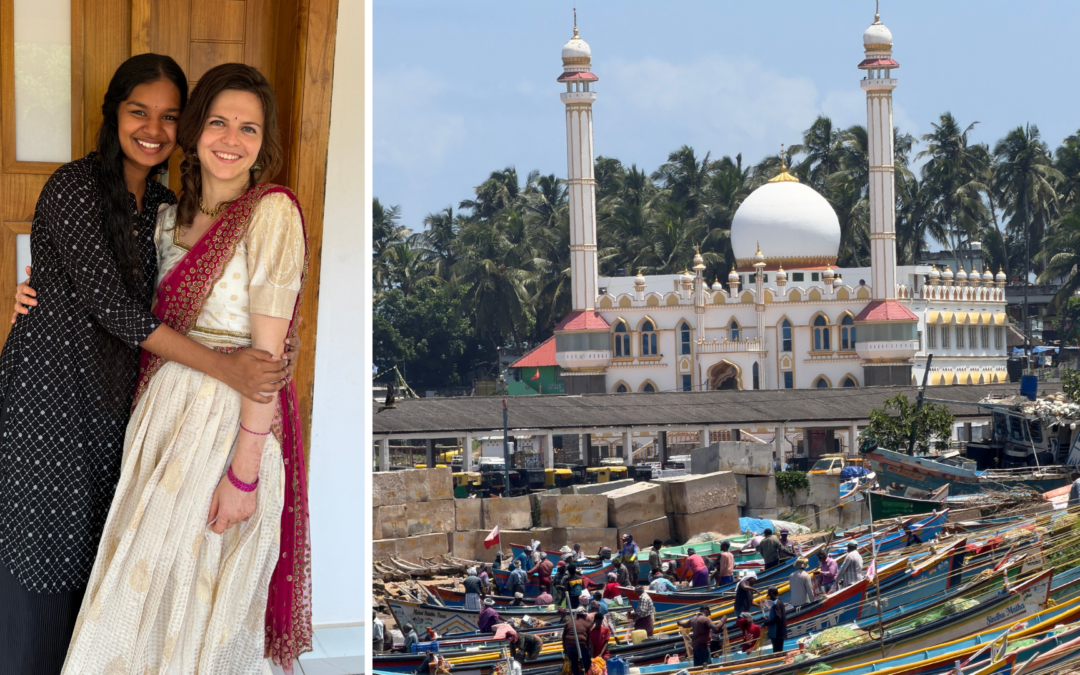
As a Mittal Institute student grant recipient, Tara Hein, a PhD student at Harvard, spent summer 2026 in Kerala, India, conducting research for her project, “Seeing like a Citizen: Fragmented Citizenship in Santiago, Chile and Kerala, India.” Her research explores how people’s experiences with the state—particularly when government services and institutions are highly visible but unevenly delivered—shape how they understand and engage with citizenship. Building on interviews conducted in Santiago, Chile, she traveled to Kochi and Thiruvananthapuram to further develop her research through interviews with residents in Kerala. She shares more about her summer in her grant report. 

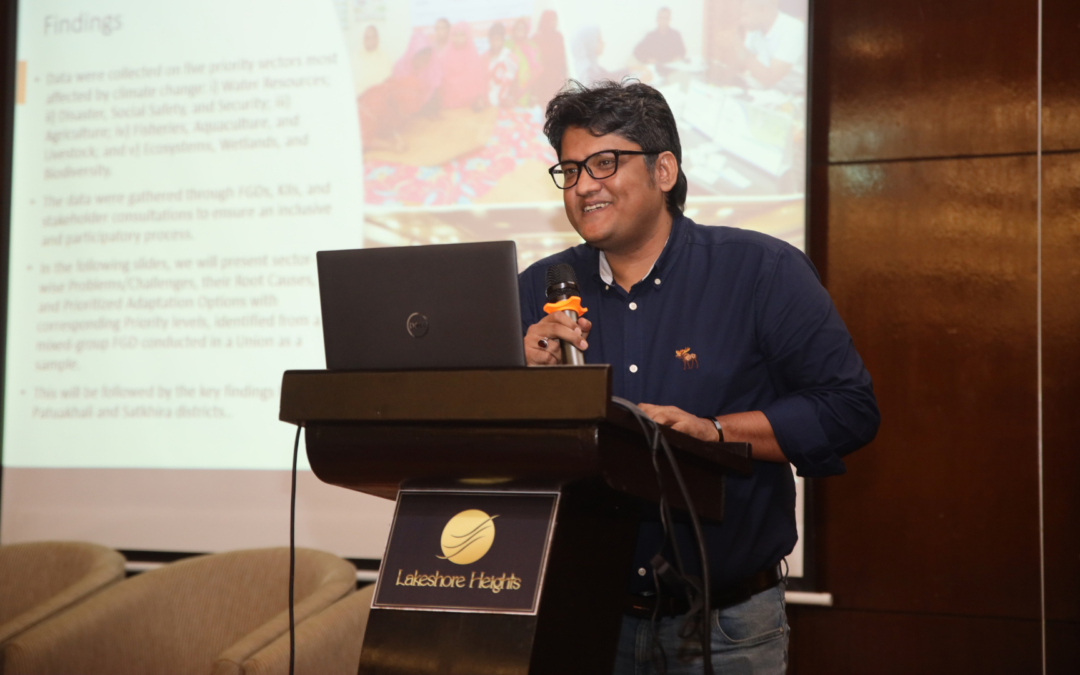
Dr. Md Mafizur Rahman, Mittal Family Climate Fellow, on Exploring Climate Governance in Bangladesh

Dr. Md Mafizur Rahman, Mittal Family Climate Fellow, on Exploring Climate Governance in Bangladesh

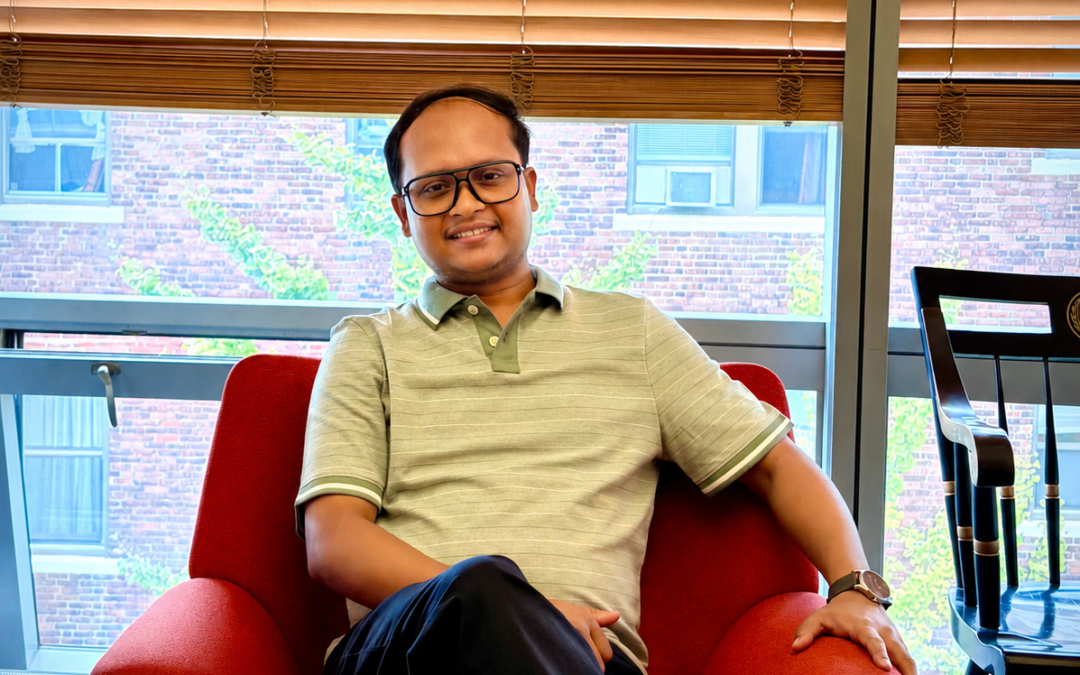
With a background in Public Administration and climate governance, Dr. Md Mafizur Rahman is examining how policies and institutions shape responses to climate change in Bangladesh. As a Mittal Family Climate Fellow at the Mittal Institute, he is working with Prof. Dustin Tingley, Thomas D. Cabot Professor of Public Policy at Harvard Kennedy School and Harvard Government, to explore these questions. Dr. Rahman brings together perspectives from political ecology and environmental justice to better understand how climate policies affect different communities and connect questions of governance to the lived realities of people experiencing environmental change. We spoke with him about his work and his hopes for his Harvard fellowship.