Select Page

Category : South Asia in the News


Remembering Raghu Rai, Acclaimed Indian Photojournalist

Remembering Raghu Rai, Acclaimed Indian Photojournalist

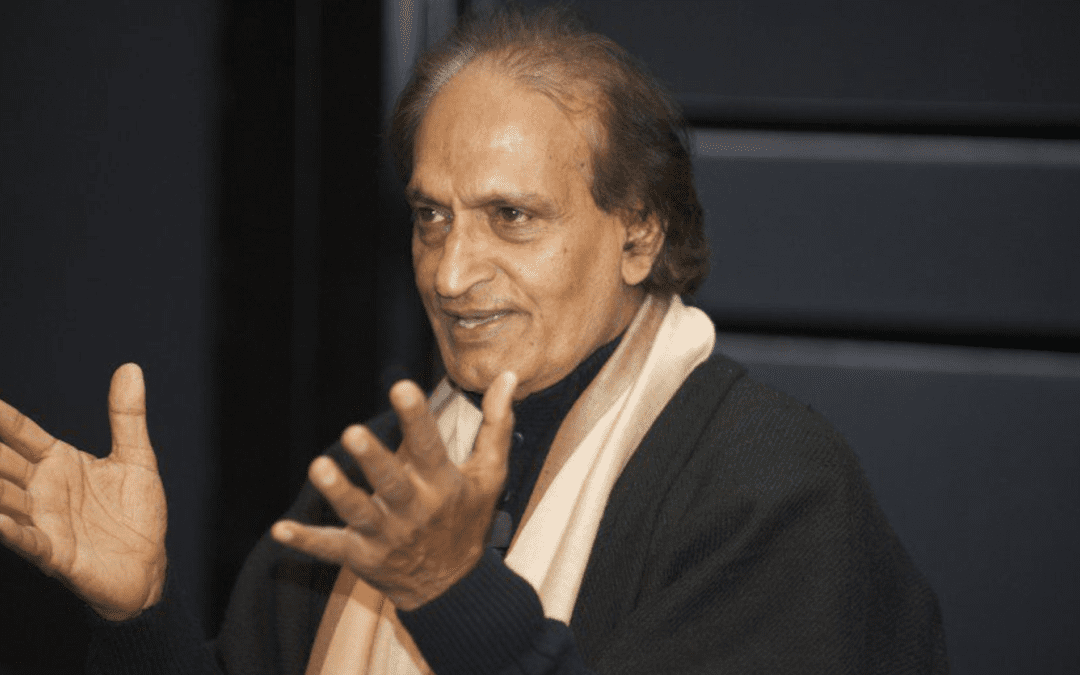
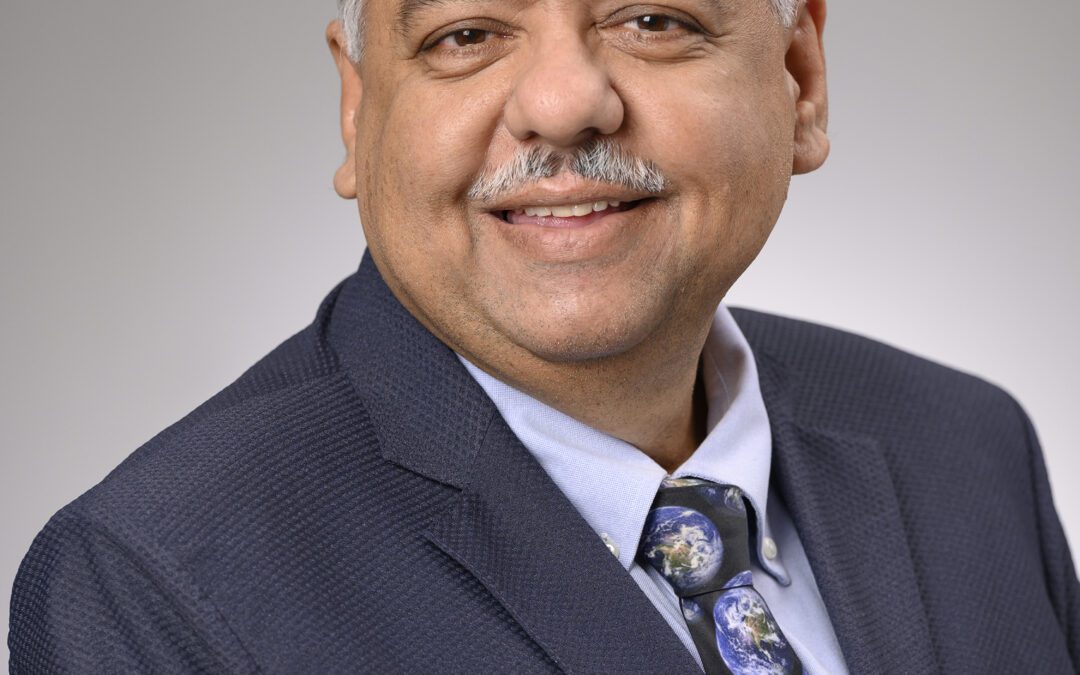
The Mittal Institute community remembers acclaimed Indian photojournalist Raghu Rai, whose work captured the depth, complexity, and humanity of India for more than five decades. Widely regarded as one of the country’s most influential photographers, Rai brought global attention to everyday life across the subcontinent, transforming ordinary moments into powerful reflections. In October 2013, Rai visited Harvard as the featured speaker for the annual Harish C. Mahindra lecture. Over two days, he engaged the campus community through a photo exhibition, gallery talk, and keynote lecture, offering a window into his artistic process and extraordinary career.

When Heat Doesn’t End: Robert Meade on New Insights from the Front Lines

When Heat Doesn’t End: Robert Meade on New Insights from the Front Lines

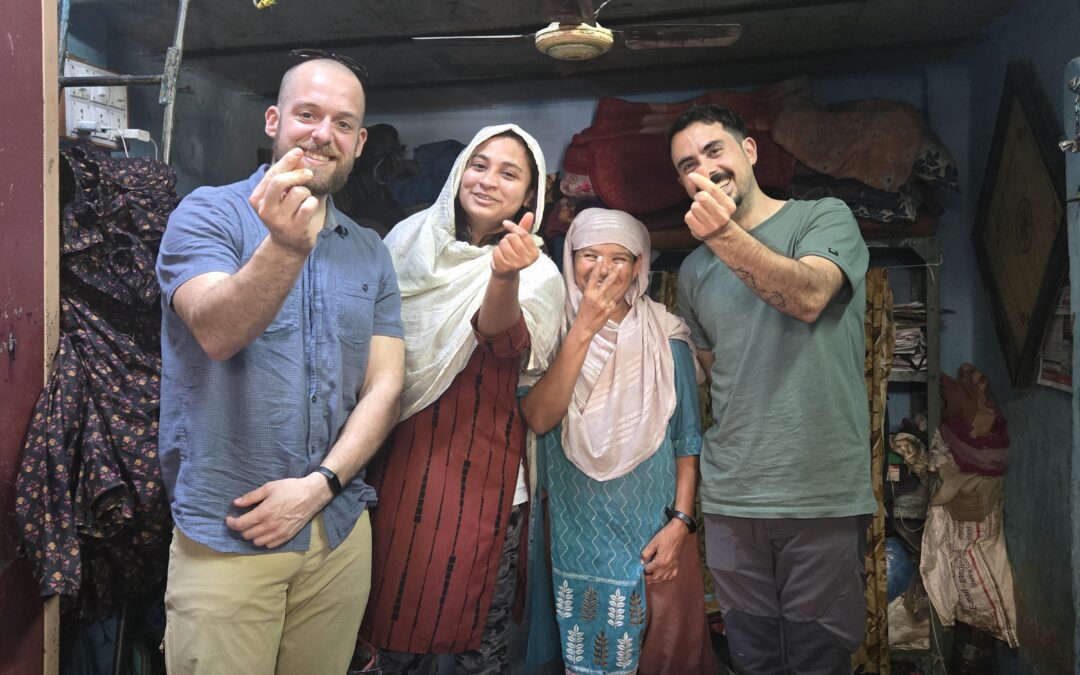
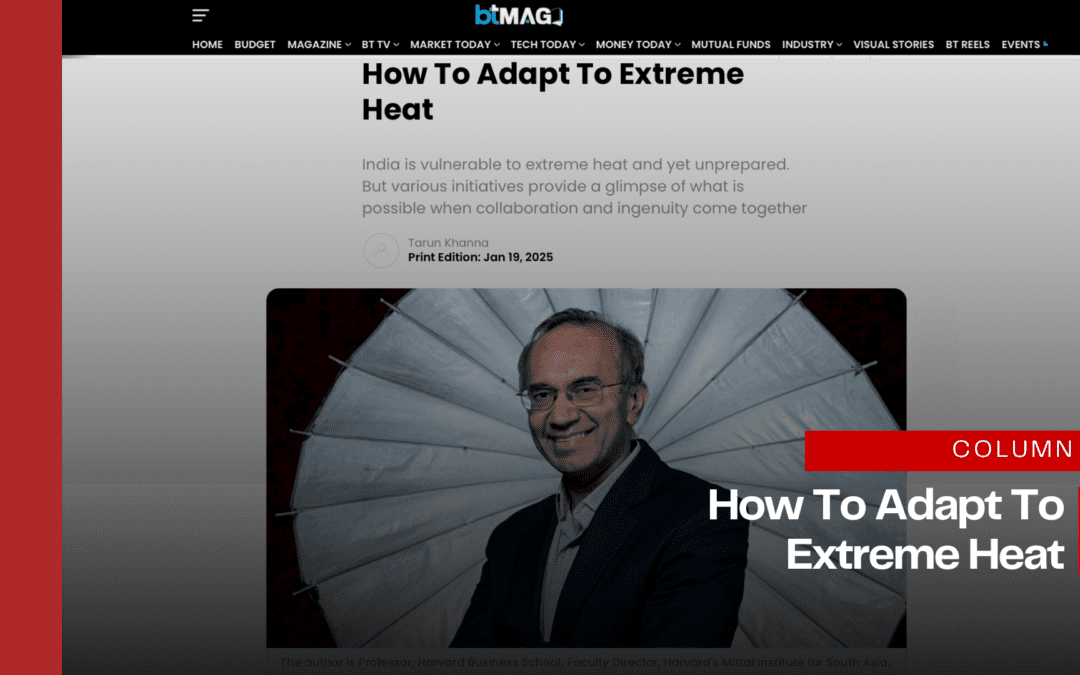
Robert Meade, a postdoctoral researcher at Harvard, is studying how prolonged heat exposure affects human health by bridging controlled lab experiments with real-world conditions. His work moves beyond short-term heat stress to examine cumulative impacts on the body. Through the Mittal Institute’s Community HATS project in India, Meade collaborates with local partners to track how extreme heat affects informal women workers’ health, sleep, and livelihoods. The research reflects a broader shift toward community-led, real-world approaches to understanding and addressing the growing health risks of climate-driven heat.

Previewing the Annual Cambridge Symposium: Journalist Victor Mallet on Why Water Stories Matter

Previewing the Annual Cambridge Symposium: Journalist Victor Mallet on Why Water Stories Matter

The Mittal Institute’s Annual Symposium: Living with Rivers on April 17 marks the launch of Living with Rivers, our new interdisciplinary initiative. Bringing together leading scholars and policy experts, the symposium will explore a central question: How well is South Asia living with its rivers? This year’s plenary speaker is Victor Mallet, author of River of Life, River of Death: The Ganges and India’s Future and Senior Editor of The Financial Times. We spoke with Victor about reporting on water as a journalist, and the importance of translating climate complexities into human experience.

Previewing the Annual Cambridge Symposium: Prof. Naveeda Khan on Rethinking Our Relationship to Water

Previewing the Annual Cambridge Symposium: Prof. Naveeda Khan on Rethinking Our Relationship to Water

The Mittal Institute’s Annual Symposium: Living with Rivers on April 17 marks the launch of Living with Rivers, our new interdisciplinary initiative. Bringing together leading scholars and policy experts, the symposium will explore a central question: How well is South Asia living with its rivers? Among this year’s speakers is Naveeda Khan, Associate Professor of Anthropology and Director of Graduate Studies, Johns Hopkins University. We spoke with Naveeda about her research in Bangladesh, which explores how people live with, adapt to, and understand water.

Previewing the Annual Cambridge Symposium: Nagaraja Rao Harshadeep of the World Bank on Rethinking Water Through Data and Systems

Previewing the Annual Cambridge Symposium: Nagaraja Rao Harshadeep of the World Bank on Rethinking Water Through Data and Systems

The Mittal Institute’s Annual Symposium: Living with Rivers on April 17 marks the launch of Living with Rivers, our new interdisciplinary initiative. Bringing together leading scholars and policy experts, the symposium will explore a central question: How well is South Asia living with its rivers? Among this year’s speakers is Nagaraja Rao Harshadeep, Global Lead for Disruptive Technology in the Sustainable Development Practice Group, World Bank. We spoke with Harsh about bridging the gap between water data and decision-making.

Building Dialogue Through the South Asian Studies Colloquium

Building Dialogue Through the South Asian Studies Colloquium

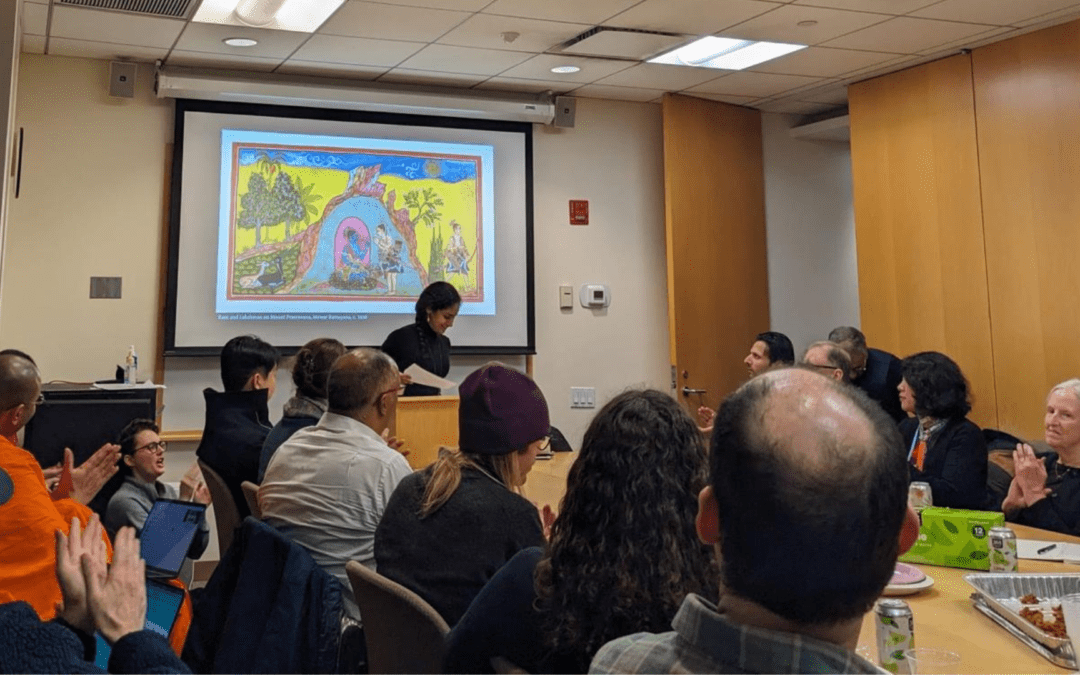
The South Asian Studies Colloquium at Harvard brings together scholars, students, and enthusiasts to share research and ideas across disciplines. With presentations by graduate students, faculty, and visiting fellows, plus a guest lecture series, each session encourages lively dialogue and feedback. Open to the entire Harvard community, the colloquium fosters connections, sparks cross-disciplinary conversations, and explores the rich histories and cultures of South Asia. We spoke with Colloquium organizers Seton Uhlhorn, a Mittal Institute Graduate Student Associate and Ph.D candidate specializing in classical Urdu literature, and Afeef Ahmed, a Ph.D candidate who studies Early Modern South India and the Indian Ocean, to learn more about what inspired the series.

Harvard Faculty Convene New Series on the Indian Elections 2024: A Q&A

Harvard Faculty Convene New Series on the Indian Elections 2024: A Q&A

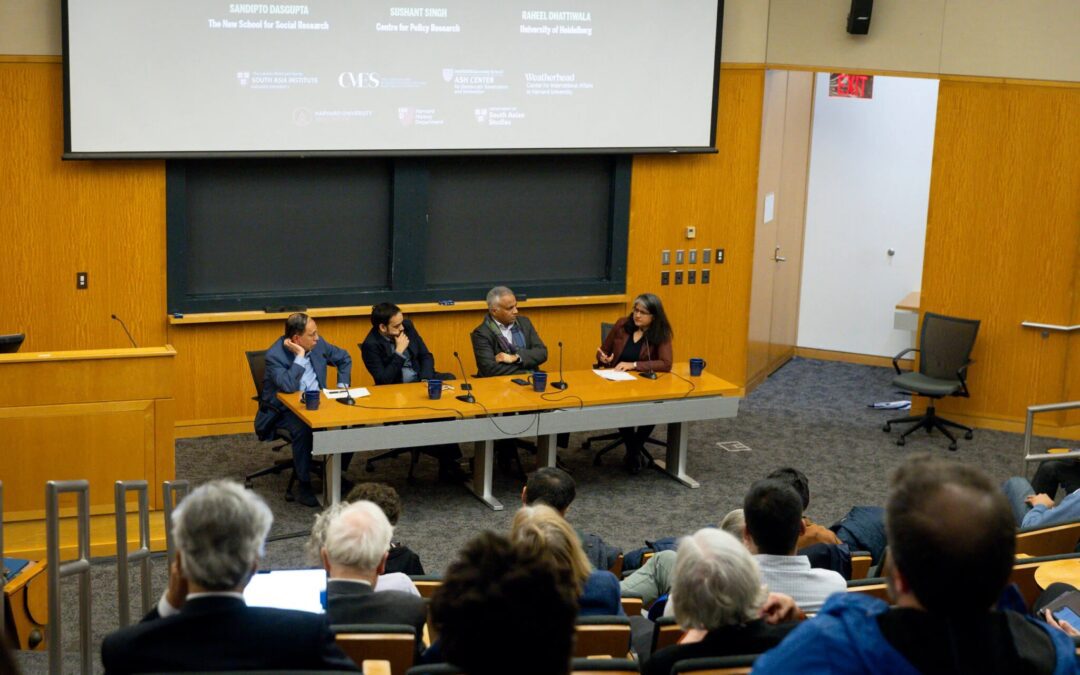
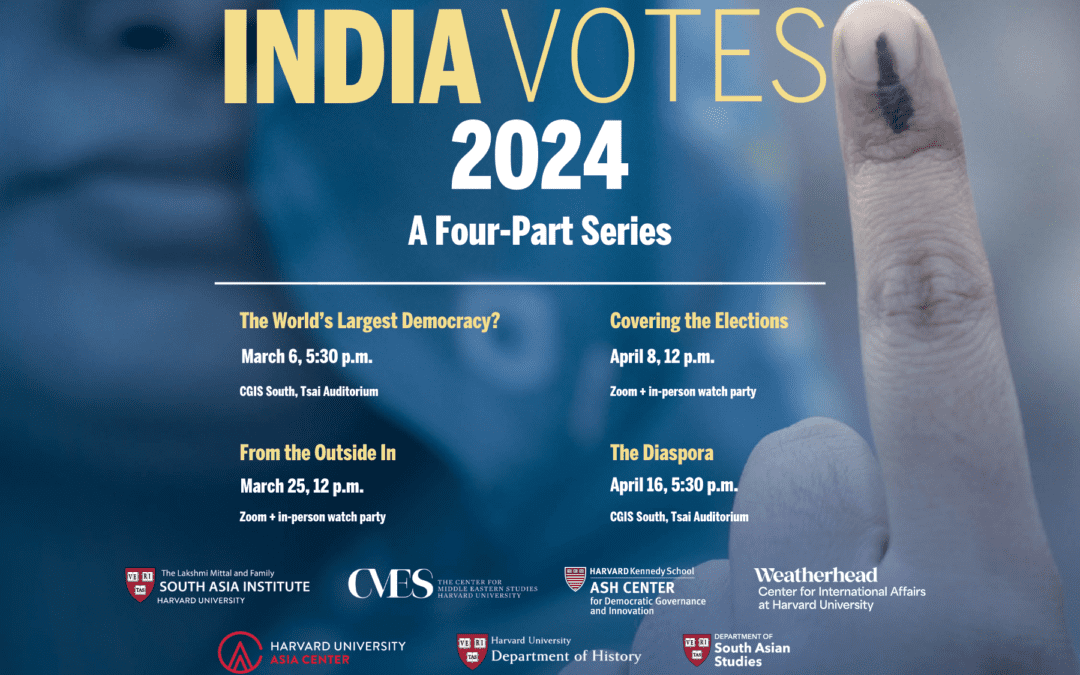
2024 is a significant election year globally with more voters than ever before heading to the polls. India will hold the largest election of them all and is one of several South Asian countries to have national votes this year. This four-part series – led by Harvard Professors Arunabh Ghosh, Maya Jasanoff and Vatsal Naresh – will feature cutting-edge scholars across the social sciences and media who will come together over the next two months to provoke discussions about democracy, the press, and diasporic politics that resonate with parallel trends in the U.S., Asia, and globally. We spoke with the three event conveners for more on the ideation of the series, and what we can expect from the discussion. 

Tree and Serpent: The Origins of Buddhist Art

Tree and Serpent: The Origins of Buddhist Art

The “Tree & Serpent: Early Buddhist Art in India, 200 BCE–400 CE” exhibit tells the story of early Buddhist art through 125 objects dating from 200 BCE to 400 CE. Conceptualized by John Guy, Florence and Herbert Irving Curator of the Arts of South and Southeast Asia in The Met’s Department of Asian Art, the exhibit was a complex logistical exercise, with major loans—of which many are loaned for the first time—from India, Europe, the United Kingdom and the United States. We spoke with John Guy about the exhibit, and what it took to bring it to the public.