Select Page

Category : Climate


Climateverse: Data-Driven Responses to Climate Change in South Asia

Climateverse: Data-Driven Responses to Climate Change in South Asia

Climateverse has evolved from a research prototype into a live public platform, now hosting over 100 climate and disaster datasets. It is jointly supported by the Lakshmi Mittal and Family South Asia Institute and the Salata Institute for Climate and Sustainability at Harvard University, along with the Harvard Data Science Initiative.

Rethinking How India Adapts to Extreme Heat

Rethinking How India Adapts to Extreme Heat

A new white paper from the Mittal Institute and the Salata Institute’s Climate Adaptation in South Asia research cluster brings together interdisciplinary insights to examine how extreme heat is reshaping life and livelihoods across India. Authored by former Mittal Institute Faculty Director Tarun Khanna, Climate Fellow Kartikeya Bhatotia, Steering Committee members Satchit Balsari and Caroline Buckee, and a broader group of interdisciplinary researchers, the report emphasizes the need for cross-sector approaches to heat adaptation.

When Heat Doesn’t End: Robert Meade on New Insights from the Front Lines

When Heat Doesn’t End: Robert Meade on New Insights from the Front Lines

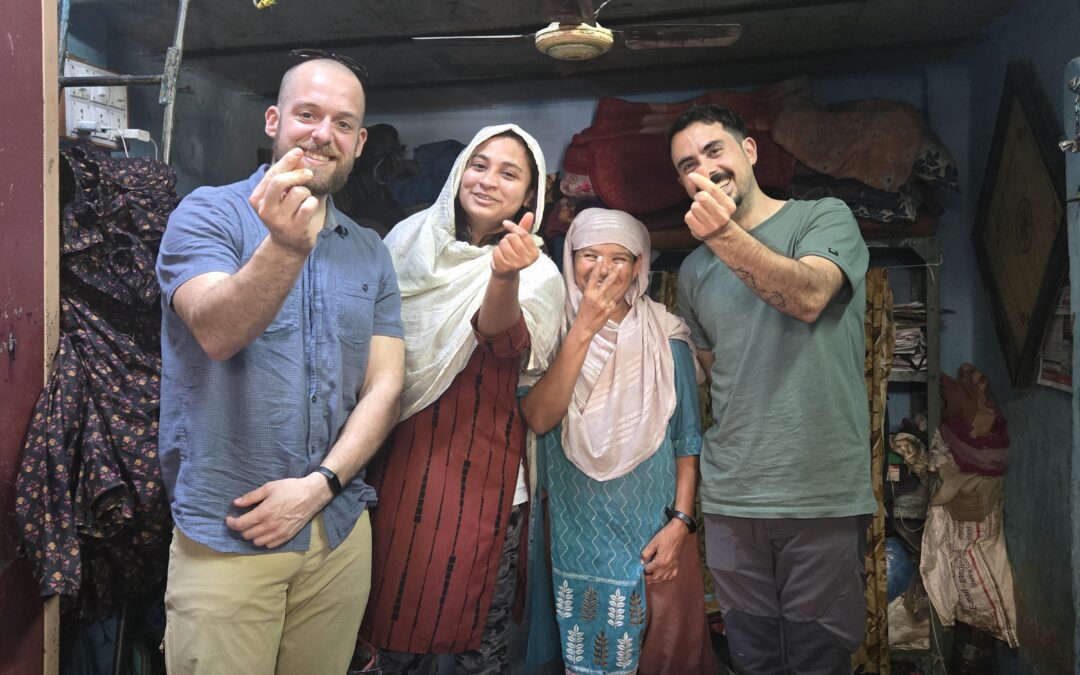
Robert Meade, a postdoctoral researcher at Harvard, is studying how prolonged heat exposure affects human health by bridging controlled lab experiments with real-world conditions. His work moves beyond short-term heat stress to examine cumulative impacts on the body. Through the Mittal Institute’s Community HATS project in India, Meade collaborates with local partners to track how extreme heat affects informal women workers’ health, sleep, and livelihoods. The research reflects a broader shift toward community-led, real-world approaches to understanding and addressing the growing health risks of climate-driven heat.

Designing for Extreme Heat in a Warming World

Designing for Extreme Heat in a Warming World

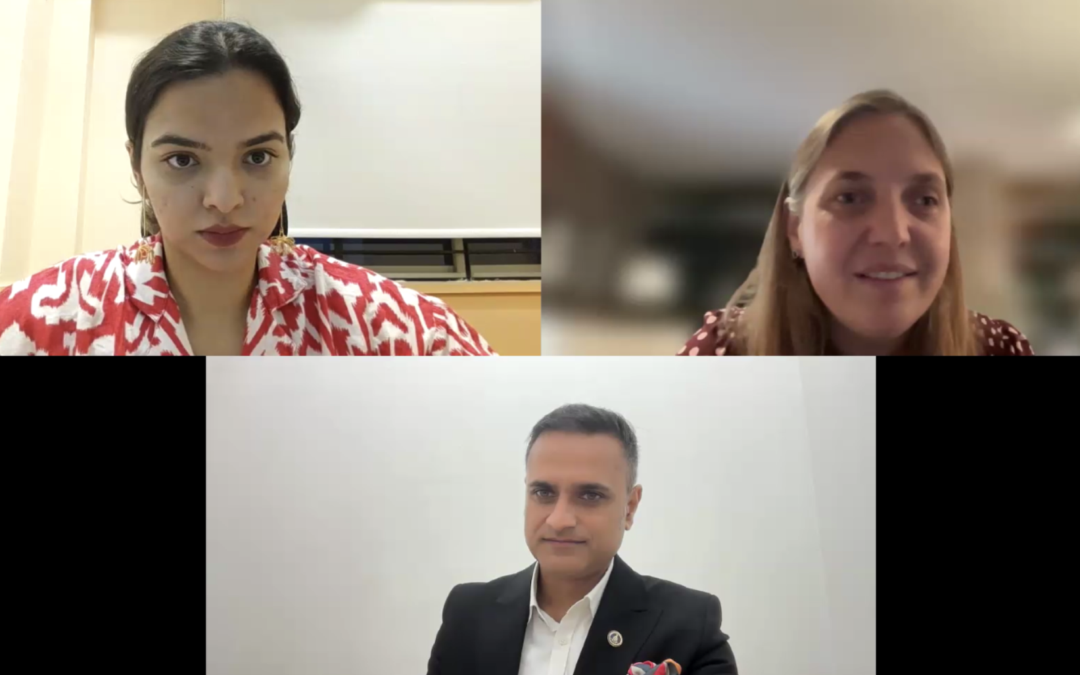
Last month the Mittal Institute hosted the event, Between Comfort and Heat Stress: The Hidden Burden of Everyday Heat, bringing scholars together from building science, urban design, and environmental health to discuss one of climate change’s most pressing yet often overlooked challenges: extreme heat. Moderated by architect and urbanist Rahul Mehrotra,  Professor of Urban Design and Planning and the John T. Dunlop Professor in Housing and Urbanization, the event featured a presentation by building science expert Rajan Rawal, Professor at CEPT University and Senior Advisor at the Center for Advanced Research in Building Science and Energy (CARBSE), on how cities, buildings, and policies must evolve to address rising temperatures. Prof. Rawal was joined in conversation by Gary Adamkiewicz, Associate Professor of Environmental Health and Exposure Disparities at Harvard T.H. Chan School of Public Health. 

Climate, Debt, and Reproductive Health in India’s Sugarcane Belt

Climate, Debt, and Reproductive Health in India’s Sugarcane Belt

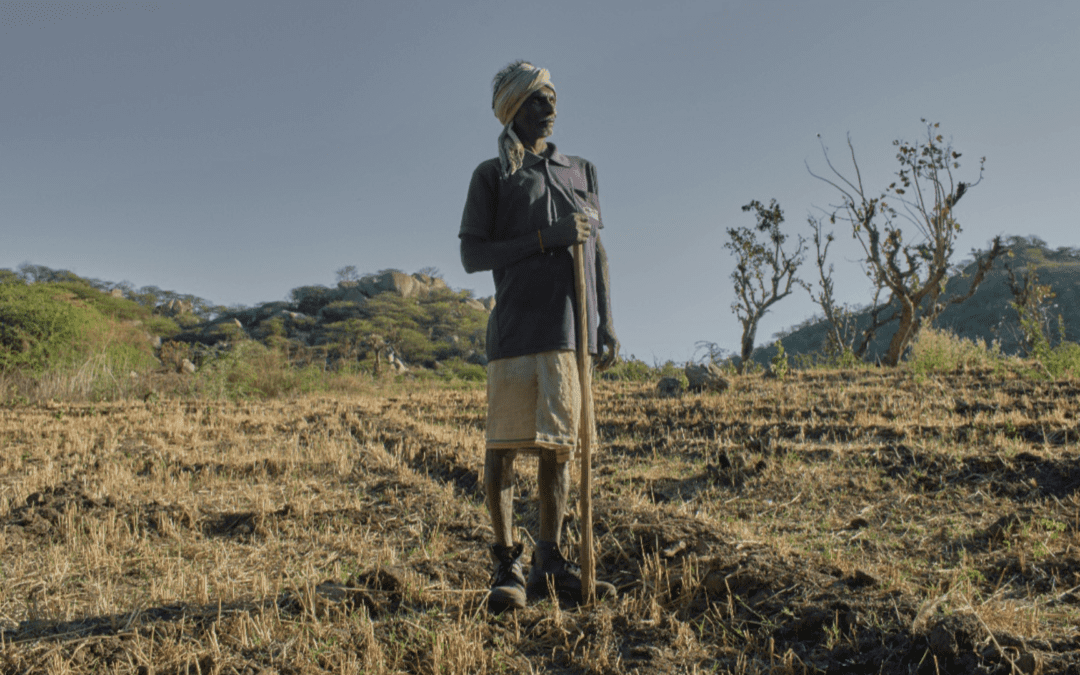
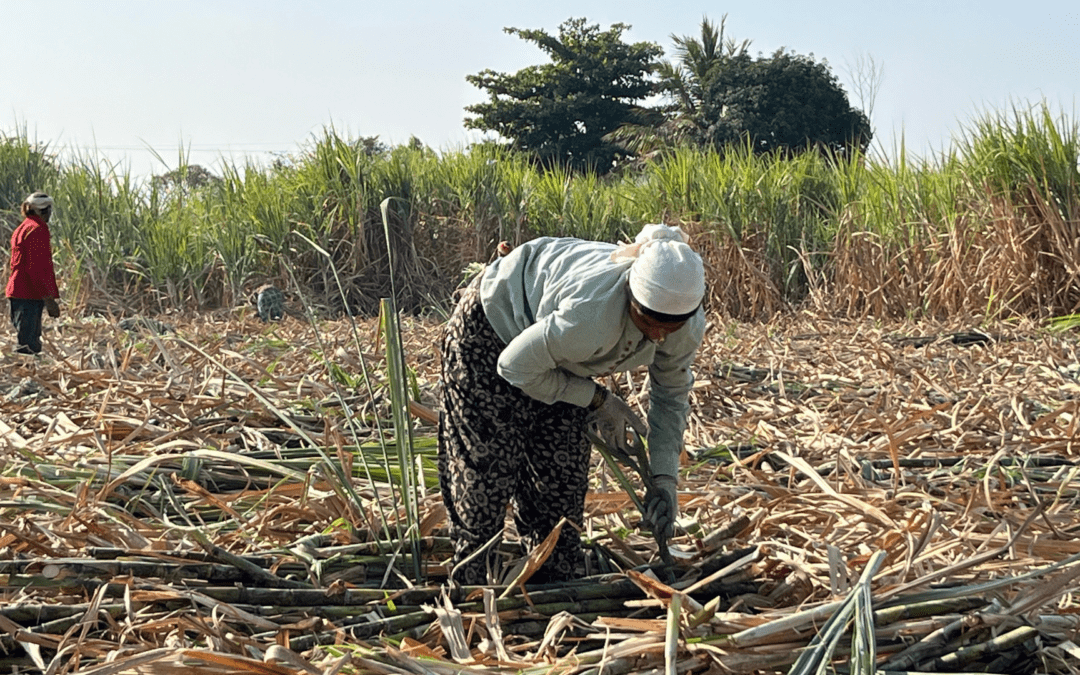
Prof. Eliana La Ferrara, Professor of Public Policy, Harvard Kennedy School and Aditi Bhowmick, Center for International Development Ph.D Affiliate, Concentrations in Development Economics & Labor Economics are inaugural recipients of the Mittal Institute’s Faculty Climate Grant program. Their project examines how climate change, debt, and gender norms combine to harm female sugarcane cutters in drought-prone Maharashtra, India.

Rajan Rawal on the Hidden Burden of Everyday Heat

Rajan Rawal on the Hidden Burden of Everyday Heat

How is heat actually experienced in everyday life across homes, workplaces, and cities? At a February 3 Mittal Institute event, Between Comfort and Heat Stress: The Hidden Burden of Everyday Heat, scholars from building science, urban design, and environmental health will come together to examine the growing disconnect between how heat is measured and how it is lived. Ahead of the event, we spoke with panelist Rajan Rawal, Professor at CEPT University and Senior Advisor at the Center for Advanced Research in Building Science and Energy (CARBSE), to gather his perspective on how everyday environments shape thermal exposure, behavior, and health.

Announcing the 2026 Recipients of the Mittal Institute Faculty Climate Research Grants

Announcing the 2026 Recipients of the Mittal Institute Faculty Climate Research Grants

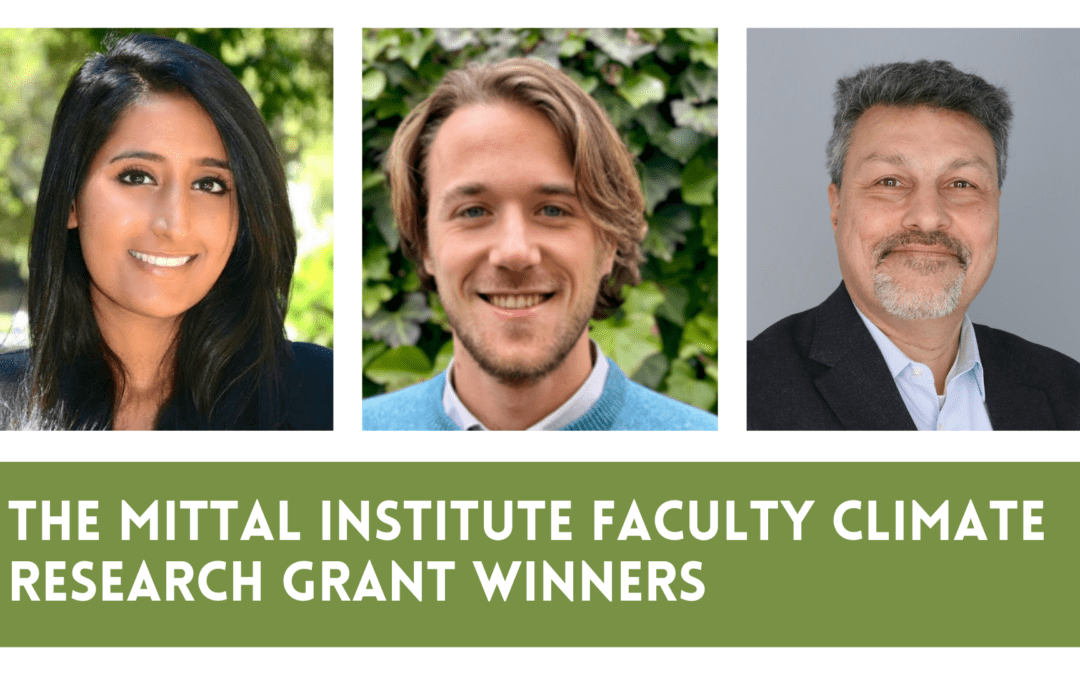
The Mittal Institute is pleased to announce its 2026 recipients of the Faculty Climate Research Grants. These grants are designed to foster deeper scholarly engagement on climate change, catalyze the creation of new knowledge, and contribute to the development of sustainable solutions across South Asia. Projects focused on three main research categories: energy transition and energy policy; food systems, agriculture, and land use; and law and policy for climate transition and adaptation.

Climate Extremes and Maternal Well-Being: Lessons from Tamil Nadu, South India

Climate Extremes and Maternal Well-Being: Lessons from Tamil Nadu, South India

As heatwaves intensify and rainfall patterns shift, the effects of climate change in South Asia are no longer confined to the environment; they’re reshaping lives in deeply personal ways. A new India Development Review article, “In Tamil Nadu, Climate Extremes Are Reshaping Maternal Well-being,” by Mittal Institute Associate Dr. Saravanan Thangarajan explores how these environmental stresses are affecting maternal mental health across India. The research, supported by the Mittal Institute and building upon collaborations from Harvard Medical School and the Harvard T.H. Chan School of Public Health, offers powerful insights into the intersection of climate, health, and gender. Dr. Thangarajan, a Visiting Scientist at the Harvard T.H. Chan School of Public Health and Ariadne Labs, Brigham and Women’s Hospital, gave us an introduction to his article and shared some images from his fieldwork in Tamil Nadu. 

Designing for Heat Resilience: Ultra-Low Cost Solutions for Overheating and Sleep Disruption in South Asian Homes

Designing for Heat Resilience: Ultra-Low Cost Solutions for Overheating and Sleep Disruption in South Asian Homes

Rising temperatures are pushing Indian cities to the limits of human comfort, with residents in rooftop rooms particularly affected by extreme heat trapped under concrete roofs. To address these challenges, the project “Ultra-Low Cost Solutions for Overheating and Sleep
Disruption in South Asian Homes” was initiated with support from a Mittal Institute Faculty Research grant.

Watch Now: India’s Path to a Sustainable Future

Watch Now: India’s Path to a Sustainable Future

Watch the event video from “Sun, Wind, and Biomass: India’s Path to a Sustainable Future,” a Harvard Climate Action Week book talk with Prof. Michael B. McElroy, Gilbert Butler Professor of Environmental Studies at Harvard University, and Prem Shankar Jha, Former Visiting Fellow, Harvard-China Project; author and journalist. Co-sponsored by the Harvard-China Project on Energy, Economy, and Environment and the Lakshmi Mittal and Family South Asia Institute at Harvard University.