Select Page

Category : Announcements


Summer 2026 Reading Recommendations

Summer 2026 Reading Recommendations

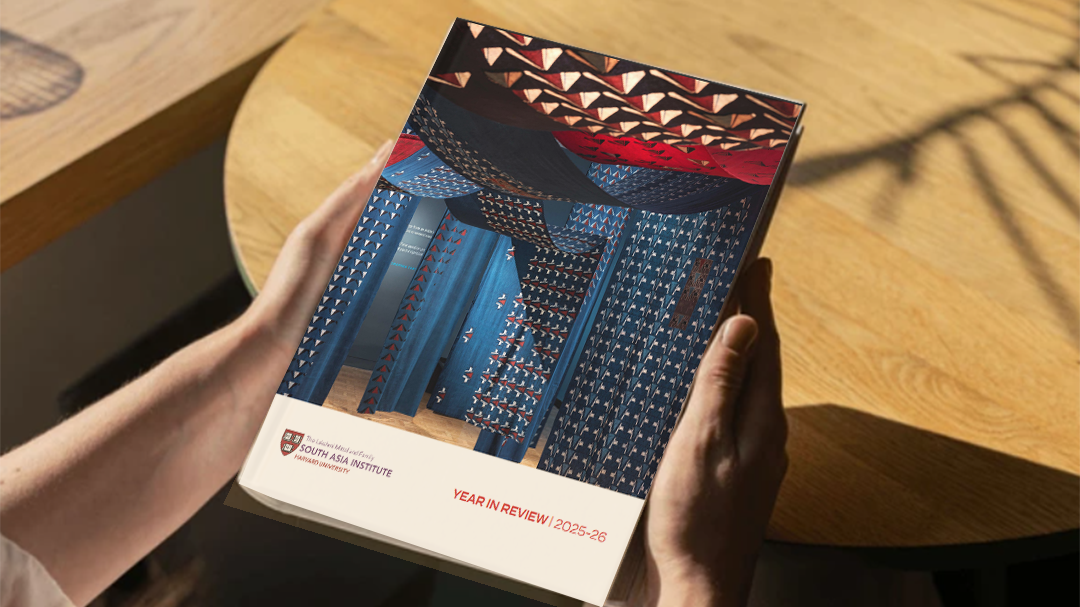
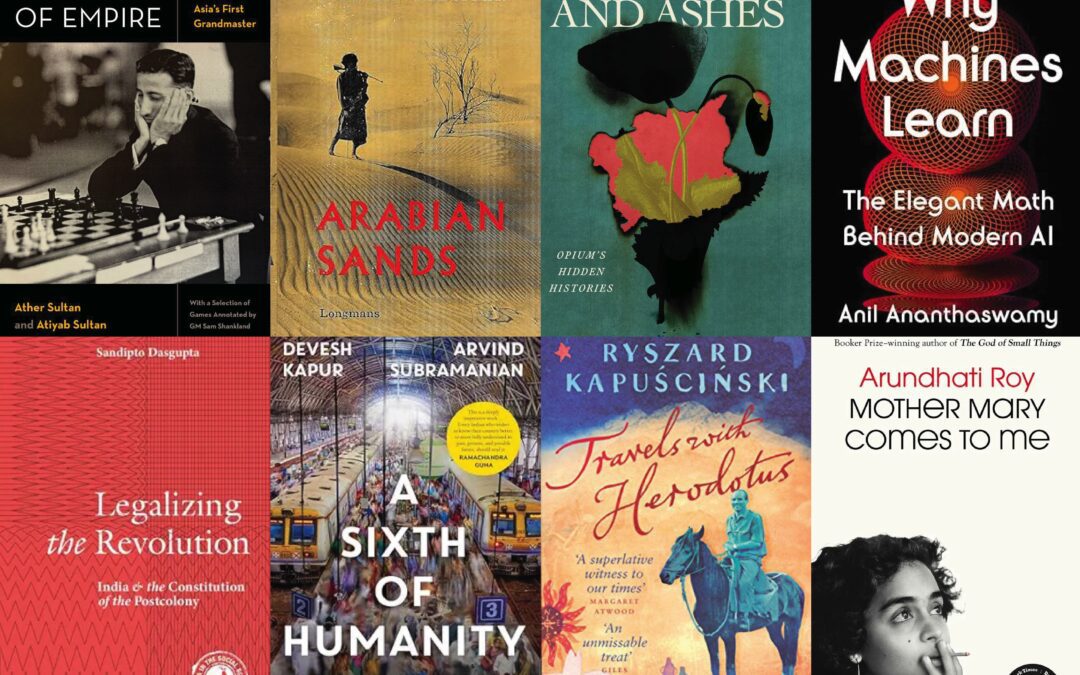
Summer is the perfect season to slow down with a great book, and our community has shared a collection of recommendations to inspire your next read. Exploring themes from identity and belonging, to the promises and perils of artificial intelligence, these selections offer a rich range of perspectives and ideas. There’s something here for every reader. Happy reading!

From Harvard to Goa: Graduating Harvard Seniors Reflect on Teaching, Leadership, and Learning Through PSIL

From Harvard to Goa: Graduating Harvard Seniors Reflect on Teaching, Leadership, and Learning Through PSIL

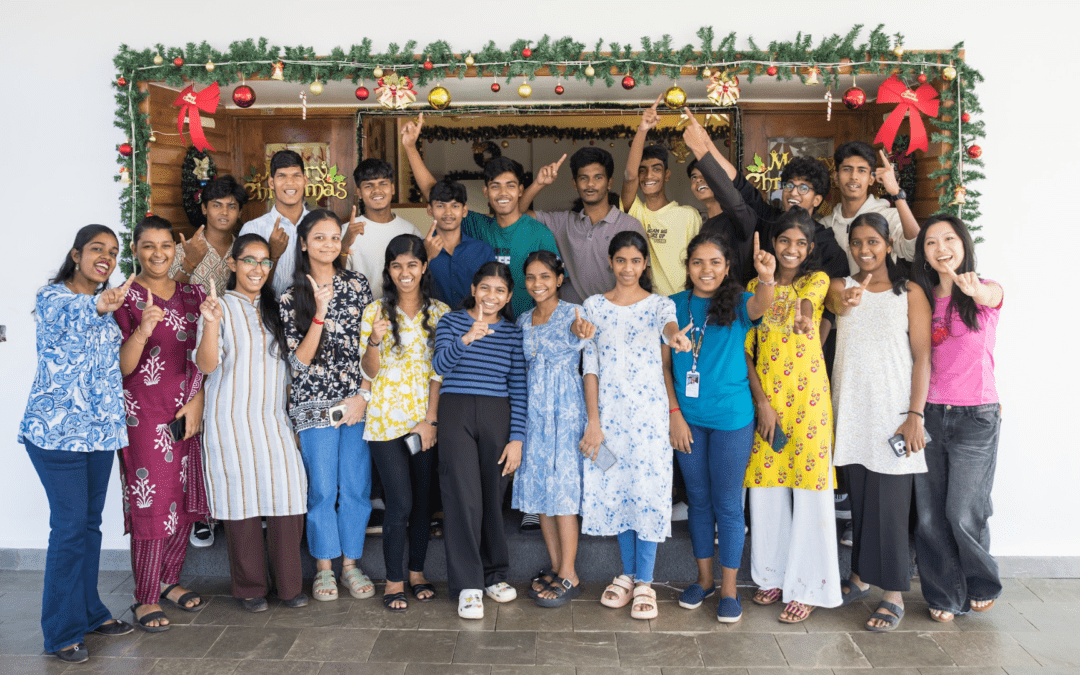
As Harvard seniors prepare to graduate this May, three students are reflecting on an experience that took them far beyond the classroom. Liz Zheng, an applied mathematics concentrator; Kat Ravichandran, who is pursuing a double concentration in computer science and philosophy; and Brooke Decho, who is studying engineering sciences, participated in this year’s Program for Scientifically-Inspired Leadership (PSIL) in Goa, India — an immersive educational initiative supported in part by the Mittal Institute.

More Than a Meal: Sarthak Agarwal ’27 on School Meals, Equity, and Access in India

More Than a Meal: Sarthak Agarwal ’27 on School Meals, Equity, and Access in India

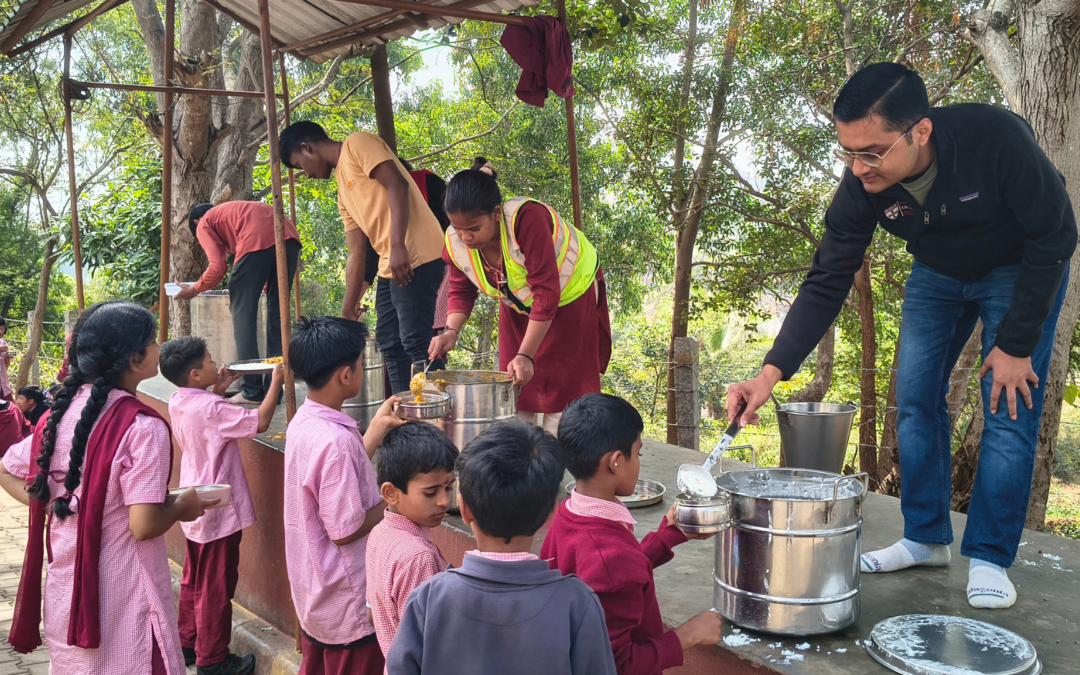
Sarthak Agarwal ’28, a doctoral candidate in Population Health Sciences at Harvard University, received a Mittal Institute grant to study India’s school feeding program, the largest of its kind in the world. While its benefits are widely recognized, understanding the operational, financial, and governance systems that sustain it is critical to its continued success. His research, which he details in the below Q&A, examines these enablers and challenges to identify practical lessons for policymakers.

Remembering Raghu Rai, Acclaimed Indian Photojournalist

Remembering Raghu Rai, Acclaimed Indian Photojournalist

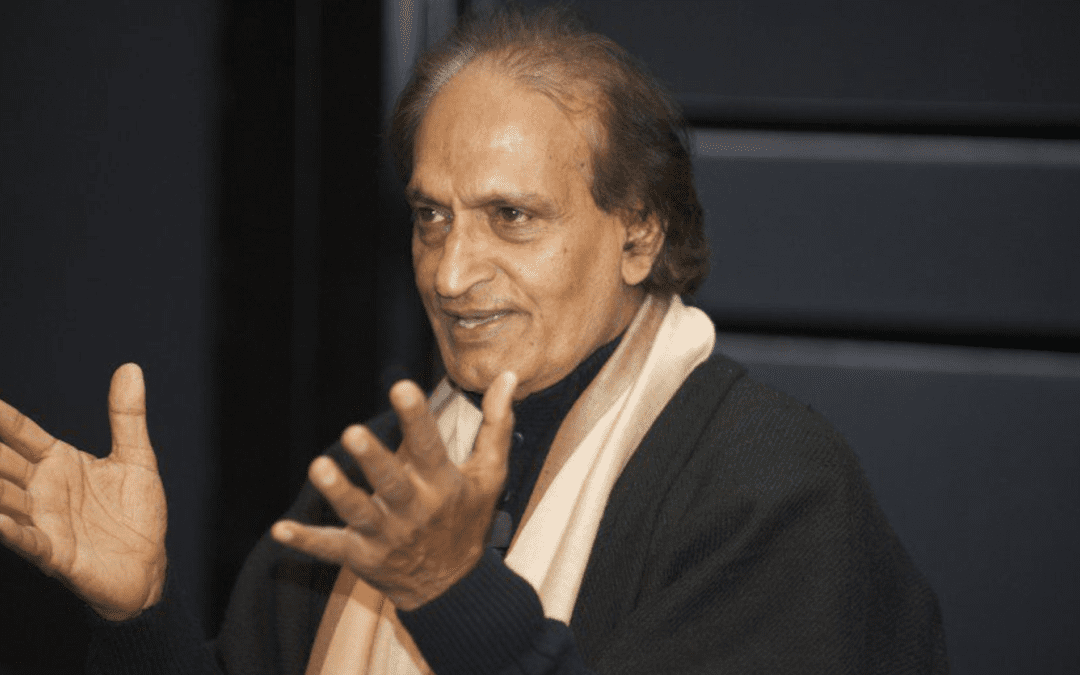
The Mittal Institute community remembers acclaimed Indian photojournalist Raghu Rai, whose work captured the depth, complexity, and humanity of India for more than five decades. Widely regarded as one of the country’s most influential photographers, Rai brought global attention to everyday life across the subcontinent, transforming ordinary moments into powerful reflections. In October 2013, Rai visited Harvard as the featured speaker for the annual Harish C. Mahindra lecture. Over two days, he engaged the campus community through a photo exhibition, gallery talk, and keynote lecture, offering a window into his artistic process and extraordinary career.

Contrasts, Mirrors, and Gradients: A Mumbai Design Studio Experience

Contrasts, Mirrors, and Gradients: A Mumbai Design Studio Experience

This February, design and real estate students embarked on an academic journey to Mumbai as part of a joint Development Project and Option Travel Studio at the GSD. Led by Professors Rahul Mehrotra, David Hamilton, and Jerold S. Kayden, the field trip allowed students to translate many of the questions that naturally emerged from their research to the site, particularly those regarding the Elphinstone Estate, an old industrial site serving as the studio’s focal point.

Art, Poetry, and the Feminine Divine: Seema Kohli in Conversation with Diana Eck at the Mittal Institute

Art, Poetry, and the Feminine Divine: Seema Kohli in Conversation with Diana Eck at the Mittal Institute

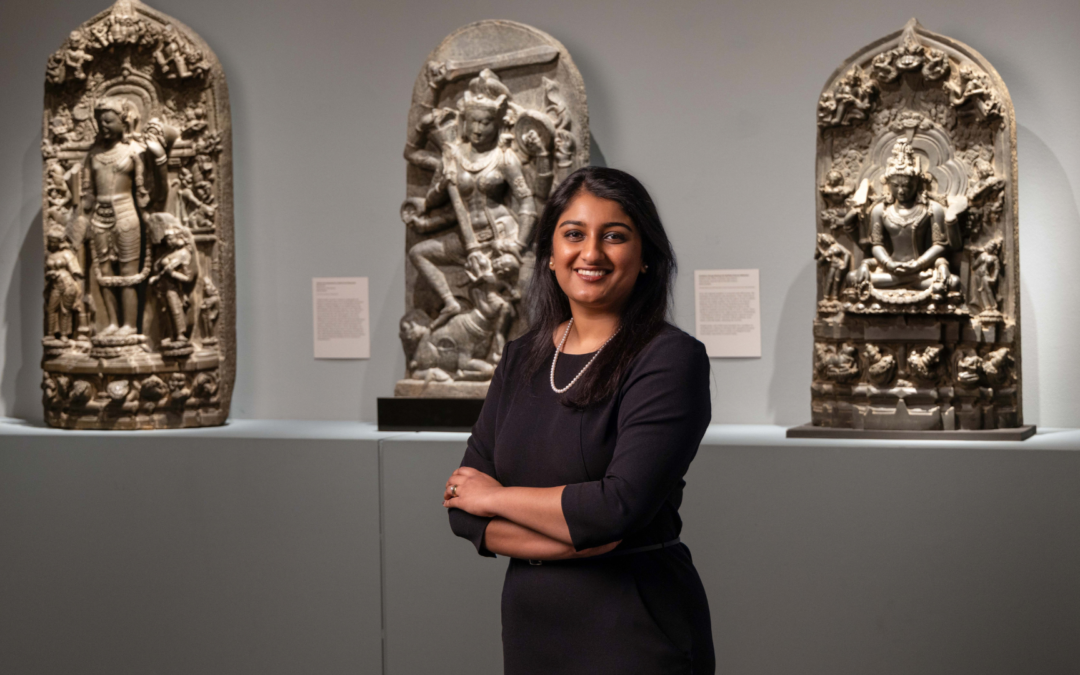
The Mittal Institute recently welcomed multidisciplinary artist Seema Kohli for a special event exploring the relationship between art, poetry, and the feminine divine in her practice. In conversation with Diana L. Eck, Kohli offered reflections on the deeply interconnected nature of her creative work, where visual art and poetry emerge in tandem.

Afghan-American Writer/Illustrator Fowzia Karimi on Storytelling, Memory, and Harvard

Afghan-American Writer/Illustrator Fowzia Karimi on Storytelling, Memory, and Harvard

Fowzia Karimi, a writer and illustrator from Afghanistan, joined Harvard University this academic year as a Radcliffe Fellow. Fowzia’s work weaves fable, dream, memory, biology, and war while exploiting the interplay between text and image on the page. At Radcliffe she is working on The Age of Flowers, a collection of Afghan fairy tales illuminated with her watercolor paintings. We spoke to Fowzia to learn more about her work at Harvard.  

Reimagining Healthcare in India: Insights from the Jaipur Literature Festival

Reimagining Healthcare in India: Insights from the Jaipur Literature Festival

A panel discussion at this year’s Jaipur Literature Festival discussed a Lancet Citizens’ Commission on Reimagining India’s Health System report on reimagining health care in India, bringing together experts in global health, civil society, business, and medicine including Vikram Patel, Mittal Institute Steering Committee Member, Lancet Commission Co-Chair, and The Pershing Square Professor of Global Health, Harvard Medical School; Tarun Khanna, former Mittal Institute Faculty Director and the Jorge Paulo Lemann Professor at Harvard Business School; Richard Horton, Editor-in-Chief of The Lancet; and Poonam Muttreja, Executive Director of the Population Foundation of India; with introductions by Hitesh Hathi, Executive Director of the Mittal Institute.

Designing for Extreme Heat in a Warming World

Designing for Extreme Heat in a Warming World

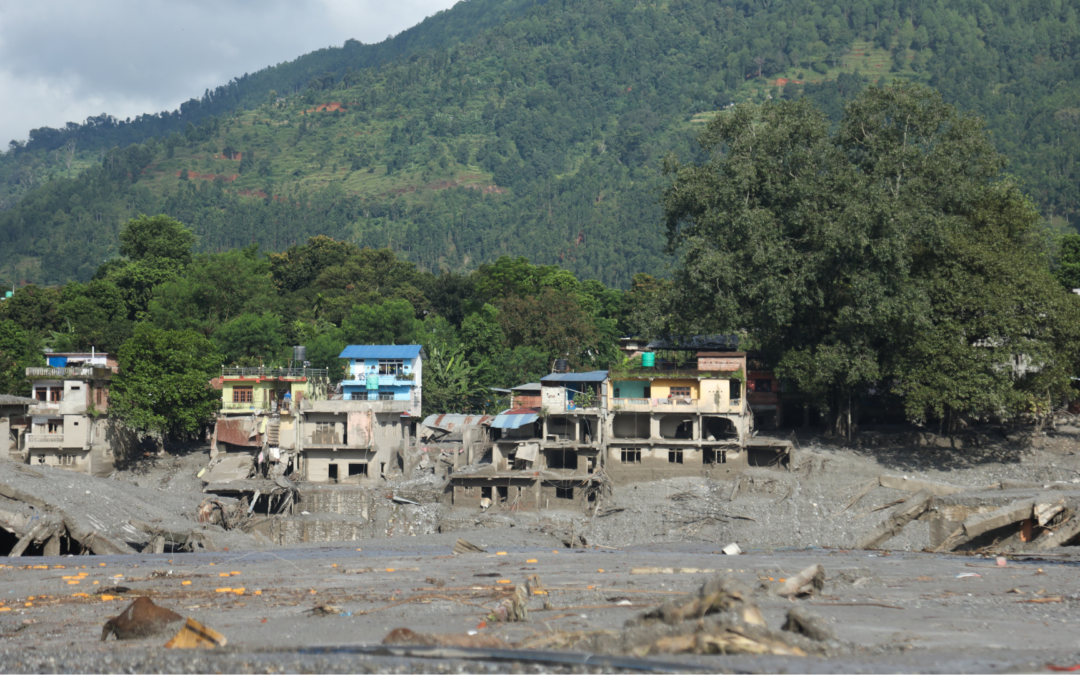
Last month the Mittal Institute hosted the event, Between Comfort and Heat Stress: The Hidden Burden of Everyday Heat, bringing scholars together from building science, urban design, and environmental health to discuss one of climate change’s most pressing yet often overlooked challenges: extreme heat. Moderated by architect and urbanist Rahul Mehrotra,  Professor of Urban Design and Planning and the John T. Dunlop Professor in Housing and Urbanization, the event featured a presentation by building science expert Rajan Rawal, Professor at CEPT University and Senior Advisor at the Center for Advanced Research in Building Science and Energy (CARBSE), on how cities, buildings, and policies must evolve to address rising temperatures. Prof. Rawal was joined in conversation by Gary Adamkiewicz, Associate Professor of Environmental Health and Exposure Disparities at Harvard T.H. Chan School of Public Health.