Select Page

Category : Announcements


Reimagining Healthcare in India: Insights from the Jaipur Literature Festival

Reimagining Healthcare in India: Insights from the Jaipur Literature Festival

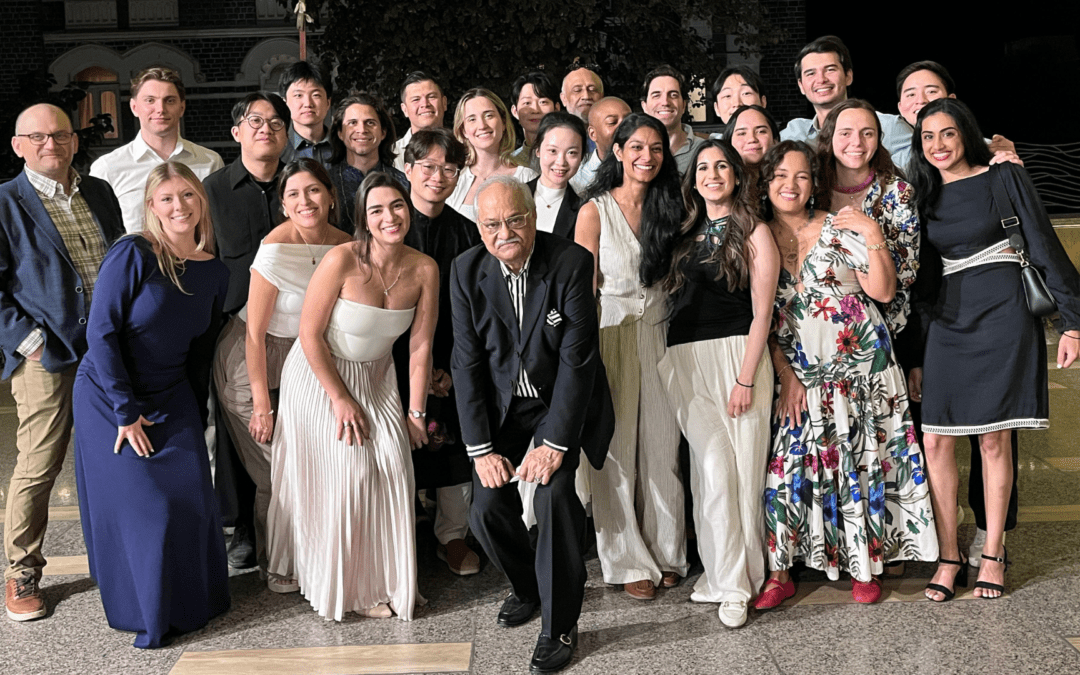
A panel discussion at this year’s Jaipur Literature Festival discussed a Lancet Citizens’ Commission on Reimagining India’s Health System report on reimagining health care in India, bringing together experts in global health, civil society, business, and medicine including Vikram Patel, Mittal Institute Steering Committee Member, Lancet Commission Co-Chair, and The Pershing Square Professor of Global Health, Harvard Medical School; Tarun Khanna, former Mittal Institute Faculty Director and the Jorge Paulo Lemann Professor at Harvard Business School; Richard Horton, Editor-in-Chief of The Lancet; and Poonam Muttreja, Executive Director of the Population Foundation of India; with introductions by Hitesh Hathi, Executive Director of the Mittal Institute.

Afghan-American Writer/Illustrator Fowzia Karimi on Storytelling, Memory, and Harvard

Afghan-American Writer/Illustrator Fowzia Karimi on Storytelling, Memory, and Harvard

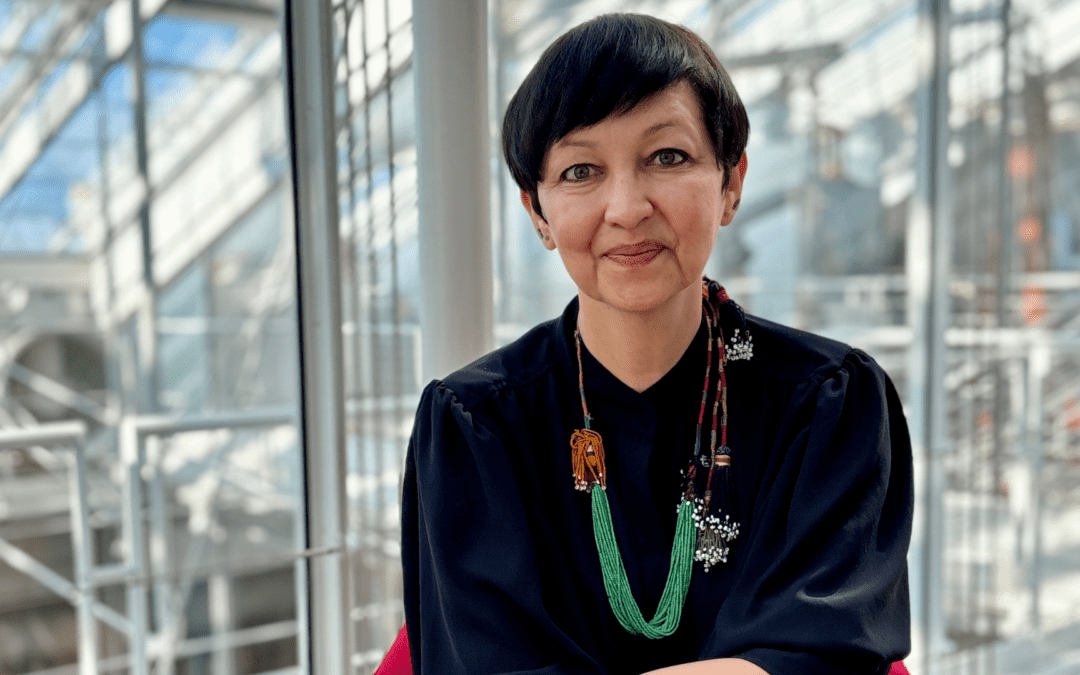
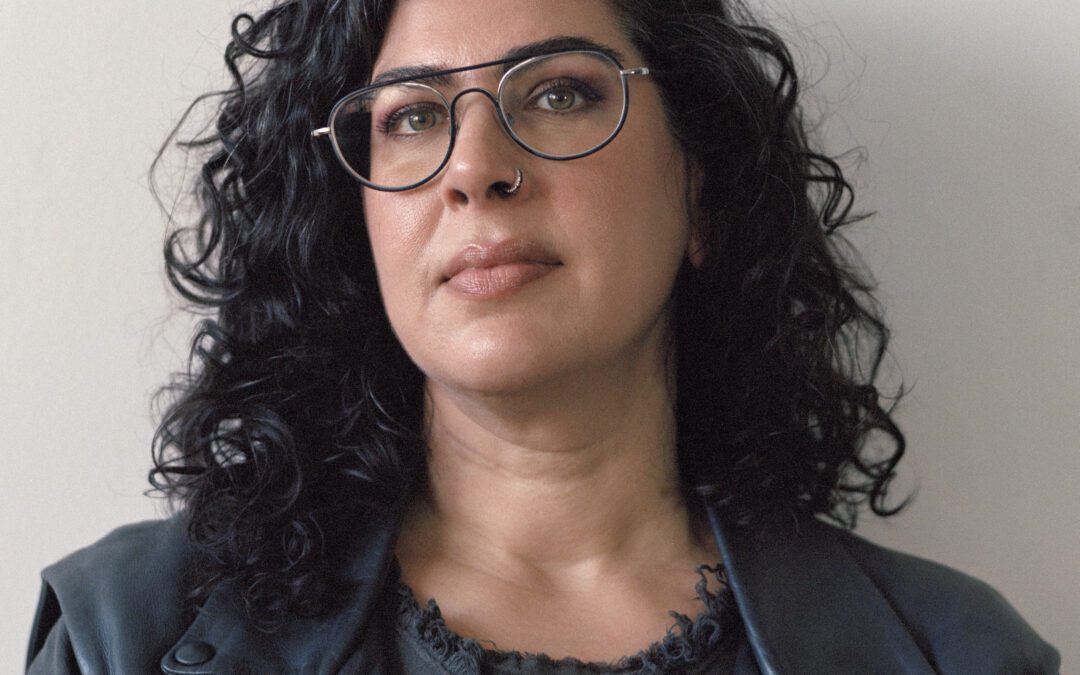
Fowzia Karimi, a writer and illustrator from Afghanistan, joined Harvard University this academic year as a Radcliffe Fellow. Fowzia’s work weaves fable, dream, memory, biology, and war while exploiting the interplay between text and image on the page. At Radcliffe she is working on The Age of Flowers, a collection of Afghan fairy tales illuminated with her watercolor paintings. We spoke to Fowzia to learn more about her work at Harvard.  

Designing for Extreme Heat in a Warming World

Designing for Extreme Heat in a Warming World

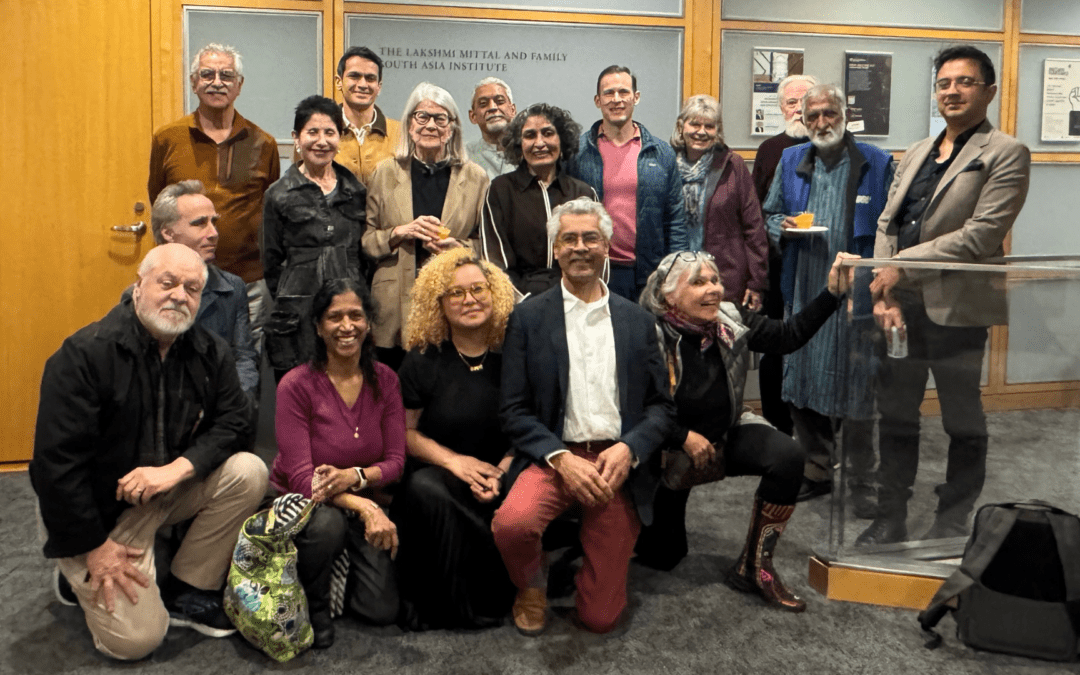
Last month the Mittal Institute hosted the event, Between Comfort and Heat Stress: The Hidden Burden of Everyday Heat, bringing scholars together from building science, urban design, and environmental health to discuss one of climate change’s most pressing yet often overlooked challenges: extreme heat. Moderated by architect and urbanist Rahul Mehrotra,  Professor of Urban Design and Planning and the John T. Dunlop Professor in Housing and Urbanization, the event featured a presentation by building science expert Rajan Rawal, Professor at CEPT University and Senior Advisor at the Center for Advanced Research in Building Science and Energy (CARBSE), on how cities, buildings, and policies must evolve to address rising temperatures. Prof. Rawal was joined in conversation by Gary Adamkiewicz, Associate Professor of Environmental Health and Exposure Disparities at Harvard T.H. Chan School of Public Health. 

Meet the Mittal Institute’s 2026 South Asian Arts Fellow, Swapnaa Tamhane

Meet the Mittal Institute’s 2026 South Asian Arts Fellow, Swapnaa Tamhane

The Mittal Institute’s newly-launched South Asian Arts Fellowship (SAAF) supports artists, curators, and scholars in North America whose work engages critically with the visual and material cultures of South Asia. This four-week residency in Cambridge offers fellows dedicated time to advance their research and creative practice while drawing on Harvard’s exceptional academic, curatorial, and archival resources, including the Harvard Art Museums and the Carpenter Center for the Visual Arts. Selected by Harvard faculty and curators, fellows also present their work publicly and engage with the University’s vibrant intellectual community. Our 2026 South Asian Arts Fellow is Swapnaa Tamhane, an artist, curator, and writer. Read on to learn more about Swapnaa, including her practice and her hope for her time at Harvard University. 

Building Dialogue Through the South Asian Studies Colloquium

Building Dialogue Through the South Asian Studies Colloquium

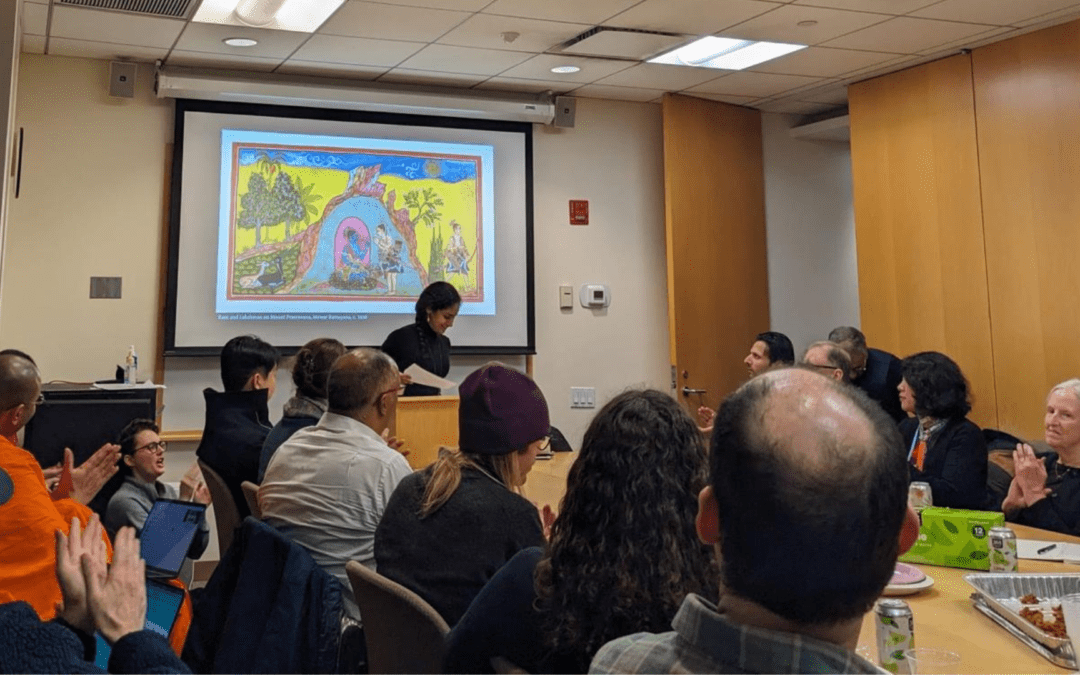
The South Asian Studies Colloquium at Harvard brings together scholars, students, and enthusiasts to share research and ideas across disciplines. With presentations by graduate students, faculty, and visiting fellows, plus a guest lecture series, each session encourages lively dialogue and feedback. Open to the entire Harvard community, the colloquium fosters connections, sparks cross-disciplinary conversations, and explores the rich histories and cultures of South Asia. We spoke with Colloquium organizers Seton Uhlhorn, a Mittal Institute Graduate Student Associate and Ph.D candidate specializing in classical Urdu literature, and Afeef Ahmed, a Ph.D candidate who studies Early Modern South India and the Indian Ocean, to learn more about what inspired the series.
Rethinking Food Systems for Planetary Health in South Asia

Rethinking Food Systems for Planetary Health in South Asia

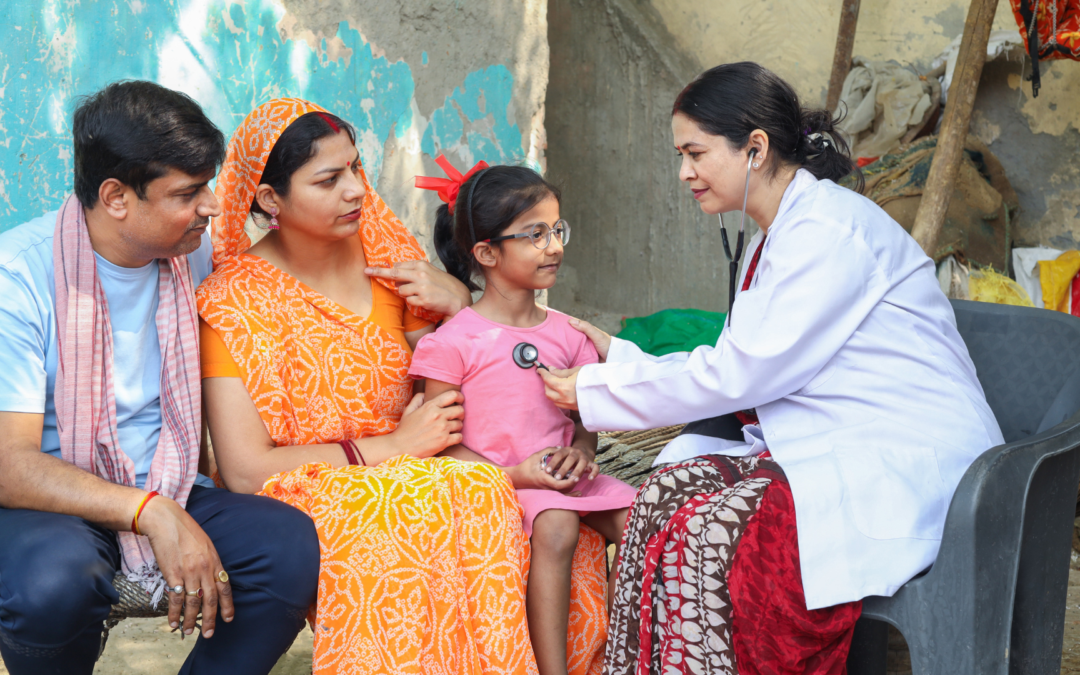
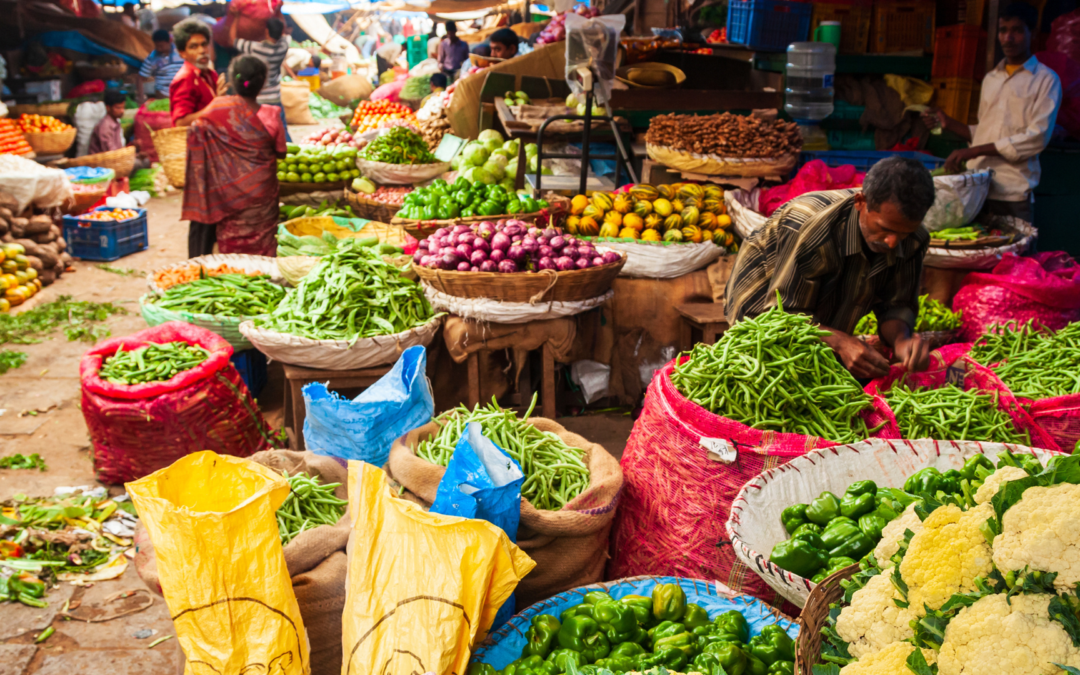
The Mittal Institute India office hosted the Rethinking Nutrition and Food Systems for Planetary Health in South Asia webinar, moderated by S.V. Subramanian, Professor of Population Health and Geography, Social and Behavioral Sciences, Harvard T.H. Chan School of Public Health. The speakers included Walter Willett (Professor of Epidemiology and Nutrition), Shilpa Bhupathiraju (Assistant Professor of Nutrition and Epidemiology), and Purnima Menon (Senior Director, Food and Nutrition Policy; Acting Senior Director, Transformation Strategy). 

Climate, Debt, and Reproductive Health in India’s Sugarcane Belt

Climate, Debt, and Reproductive Health in India’s Sugarcane Belt

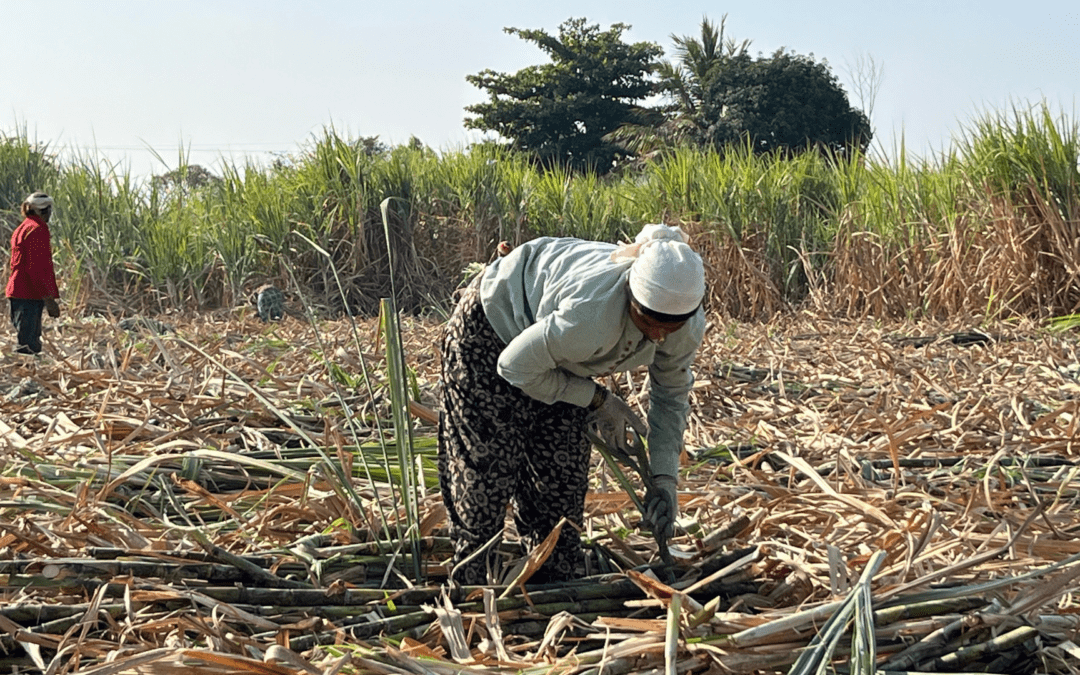
Prof. Eliana La Ferrara, Professor of Public Policy, Harvard Kennedy School and Aditi Bhowmick, Center for International Development Ph.D Affiliate, Concentrations in Development Economics & Labor Economics are inaugural recipients of the Mittal Institute’s Faculty Climate Grant program. Their project examines how climate change, debt, and gender norms combine to harm female sugarcane cutters in drought-prone Maharashtra, India.

Faith or Expertise? Adil Ahsan, a Public Policy Ph.D Candidate, on Who Delivers Public Health Messages Best

Faith or Expertise? Adil Ahsan, a Public Policy Ph.D Candidate, on Who Delivers Public Health Messages Best

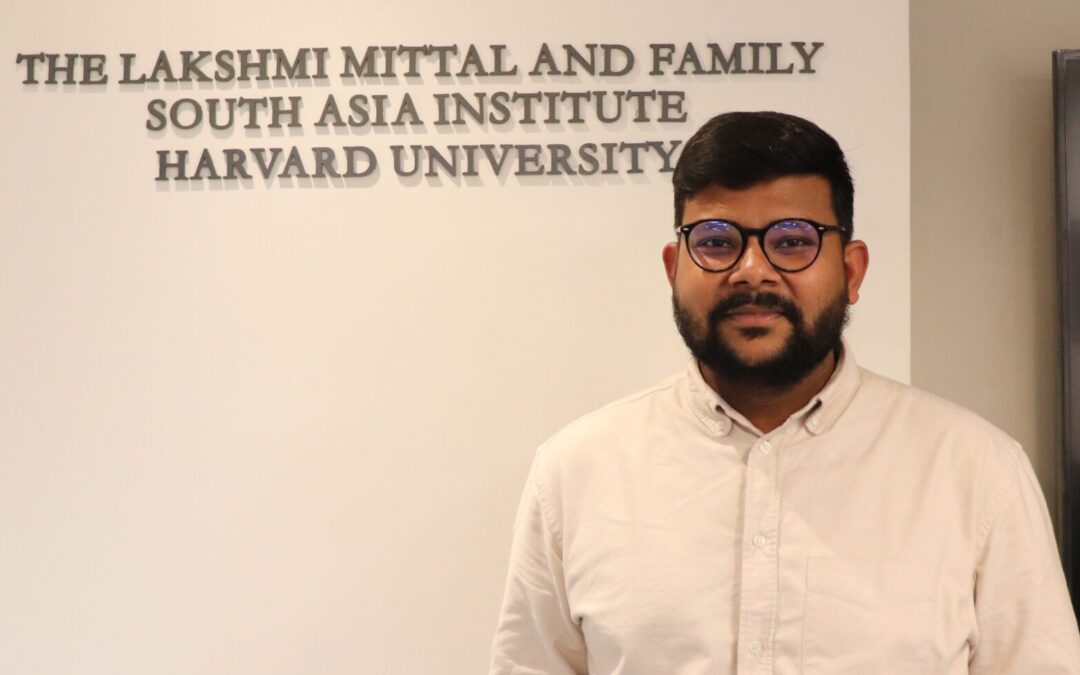
Adil Ahsan, a Ph.D candidate in Public Policy at the Harvard Graduate School of Arts and Sciences, spent his summer in Lahore, Pakistan through a Mittal Institute student grant. His study examined whether handwashing messages delivered by religious leaders are more effective than those from secular authorities, in order to evaluate the extent to which low trust in state institutions can blunt informational interventions among religious populations. We spoke with Adil for more on his project.

Harvard Divinity Student Kazal Barua ’27 Studies How a Bangladeshi Monk Reimagines Monasticism

Harvard Divinity Student Kazal Barua ’27 Studies How a Bangladeshi Monk Reimagines Monasticism

Kazal Barua ’27, a Harvard Divinity School Master of Theological Studies student, spent his winter conducting research in Bangladesh through a Mittal Institute student grant. His project, “Reimagining the Roles of Buddhist Monastics in Bangladesh: The Case of Shasana Rakkhit Bhikkhu and BCCUL” examined how a Buddhist monk blends spiritual insight with corporate skills to lead a financial organization, drive cross-religious community development, and reimagine the traditional role of monasticism. We spoke with Kazal for more on his project.