
Summer is the perfect season to slow down with a great book, and our community has shared a collection of recommendations to inspire your next read. Exploring themes from identity and belonging, to the promises and perils of artificial intelligence, these selections offer a rich range of perspectives and ideas. There’s something here for every reader. Happy reading!

Tarun Khanna
Jorge Paulo Lemann Professor, Harvard Business School
“I would recommend Wilfred Thesiger’s Arabian Sands. It is a classic travelogue first published in 1959, which I read before traveling to Saudi Arabia some months ago.
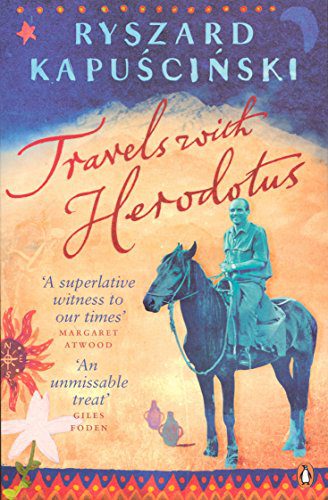
I also enjoyed Rysard Kapuscinski’s Travel with Herodotus. It is a book that allows you to see the world through the eyes of a Polish traveler, with translation from 2007 from Polish.
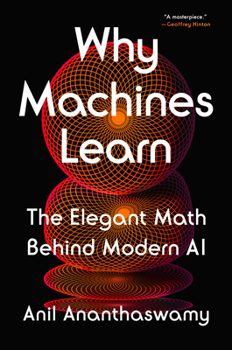
Lastly, Why Machines Learn: The Elegant Math Behind Modern AI by Anil Ananthaswamy is an elementary but erudite reminder to me of the mathematics behind machine learning.’
Mashail Malik
Assistant Professor of Government, Harvard University Department of Goverment
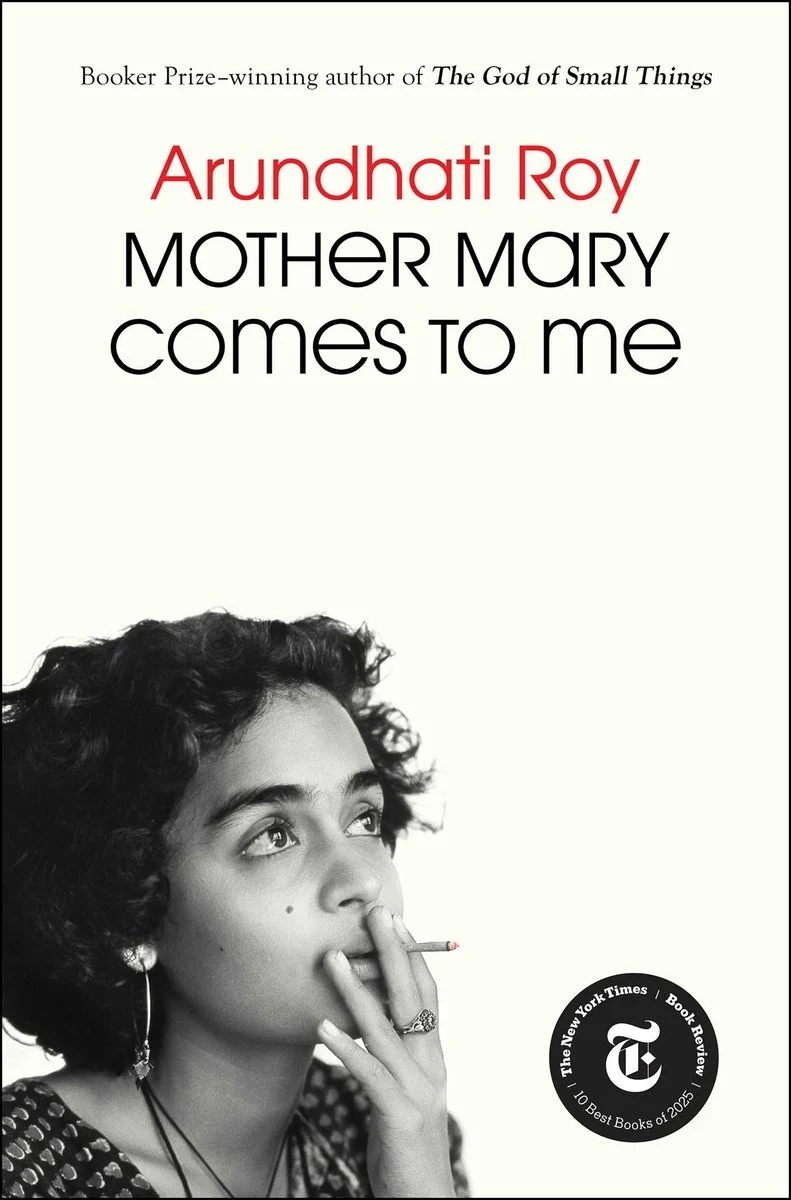
“I recommend Mother Mary Comes to Me by Arundhati Roy. It is Roy’s memoir and tribute to her late mother, Mary Roy, who was publicly revered as a women’s rights advocate and innovative educator, but was privately a deeply troubled and difficult person who profoundly shaped, for better or worse, one of the best writers to come out of the subcontinent. I found it to be an excellent character study, and a good reminder that real human beings are never just one thing.”
Doris Sommer
Ira and Jewell Williams Professor of Romance Languages & Literatures,
African and African American Studies, Social Studies, Harvard University
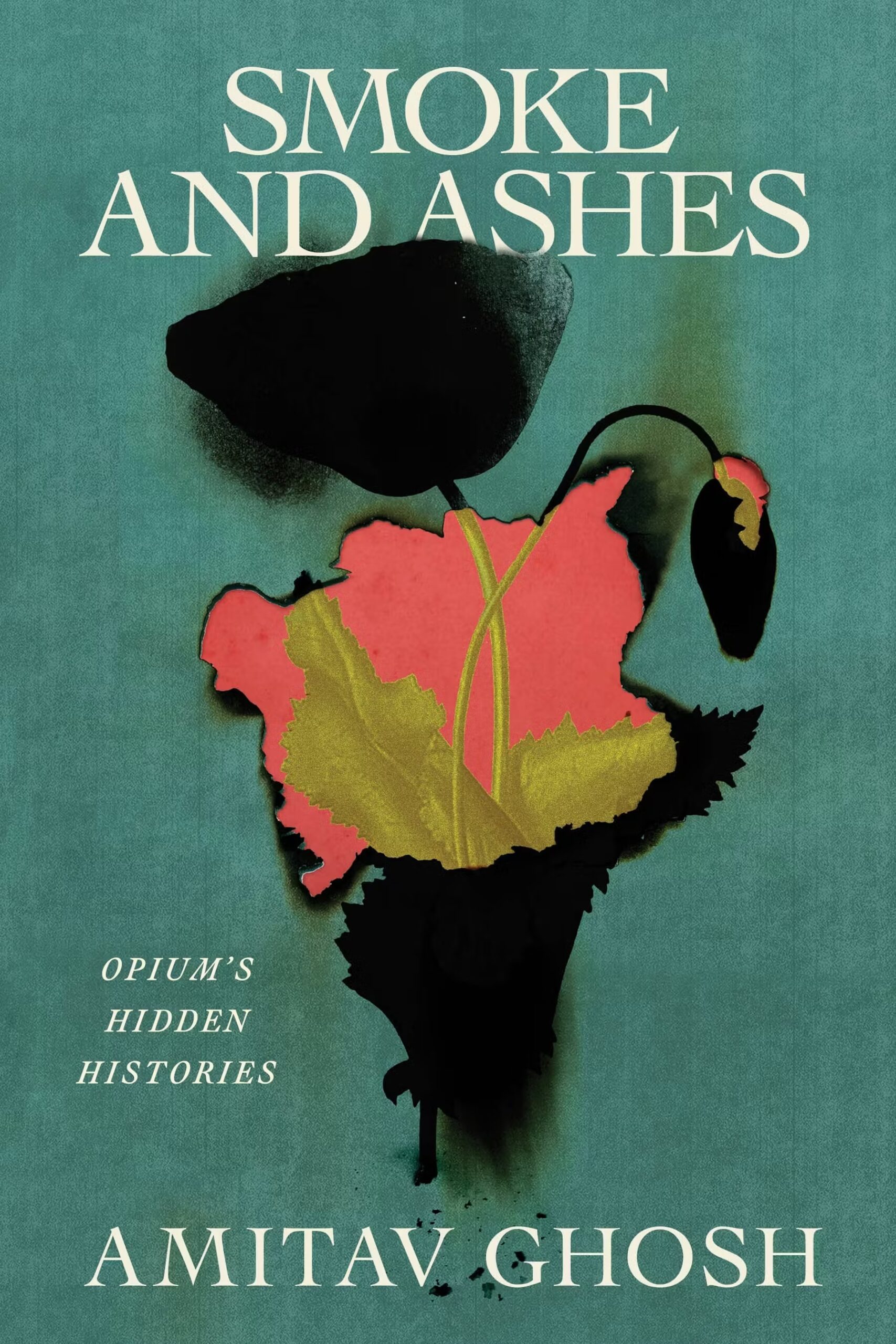
“Try Smoke and Ashes by Amitav Ghosh. The book gets South Asia and East Asia on connecting pages.”
Ashutosh Varshney
Sol Goldman Professor of International Studies and the Social Sciences and Political Science at Brown University
“I can only recommend, given my background, social science books. The two I found most impressive in the recent months are:
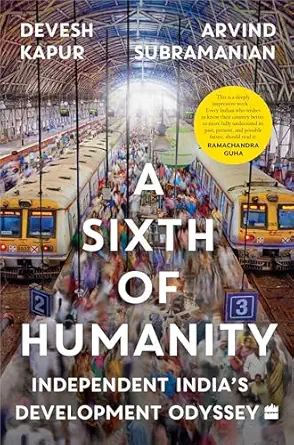
A Sixth of Humanity: Independent India’s Development Odyssey
by Devesh Kapur and Arvind Subramanian
This book will become an essential reference on India’s economic development since independence. Its analysis is multi-disciplinary. It brings in cultural, political and sociological, not simply economic, factors to explain India’s economic trajectory — and rightly so. Its four main themes are: India’s “precocious democracy”, its precocious reliance on services before manufacturing, its counter-historical reliance on “welfare before public goods”, and its success in establishing order in a highly contentious polity without sacrificing democracy, though this latter feature may be in danger now.
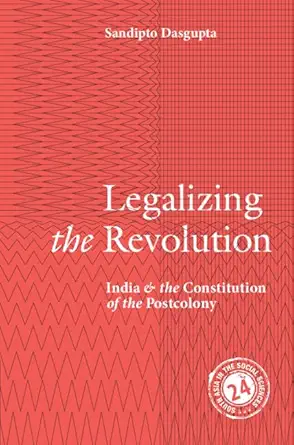
Legalizing the Revolution: India and the Constitution of the Postcolony
By Sandipto Dasgupta
This book views India’s Constitution in a novel way. It argues that India’s biggest constitutional challenge was to give its long struggle for freedom a legal incarnation, while also containing, now that independence had been achieved, popular mobilization, which was the core of the freedom struggle. The author, a political theorist, describes it as a “transition from the tumult of popular anticolonial politics to the ordered calculus of postcolonial governance”. In the process, we learn a lot about how the idea of India was given a constitutional form that also dealt in detail with how government and politics would function.”
Atiyab Sultan
Graduate Student Associate; Harvard Kennedy School
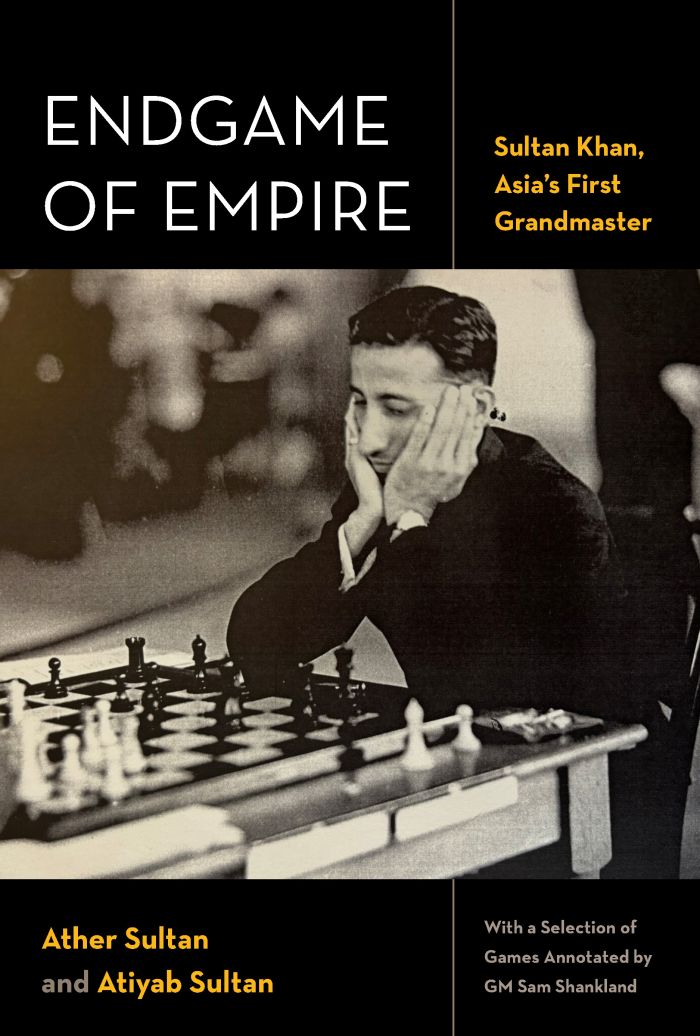
“Endgame of Empire: Sultan Khan, Asia’s First Grandmaster recovers the life and career of the first Asian chess grandmaster, Sultan Khan, a self-taught prodigy from colonial Punjab, whose success rocked the international chess world in the late 1920s and 1930s. Set against the wider histories of race, empire, and decolonization, it shows how one extraordinary individual navigated the promise and contradictions of interwar Europe, and an Asia on the cusp of independence.”
☆ The views represented herein are those of the interview subjects and do not necessarily reflect the views of the Mittal Institute, its staff, or its Steering Committee.