Select Page

Category : Announcements


Rajan Rawal on the Hidden Burden of Everyday Heat

Rajan Rawal on the Hidden Burden of Everyday Heat

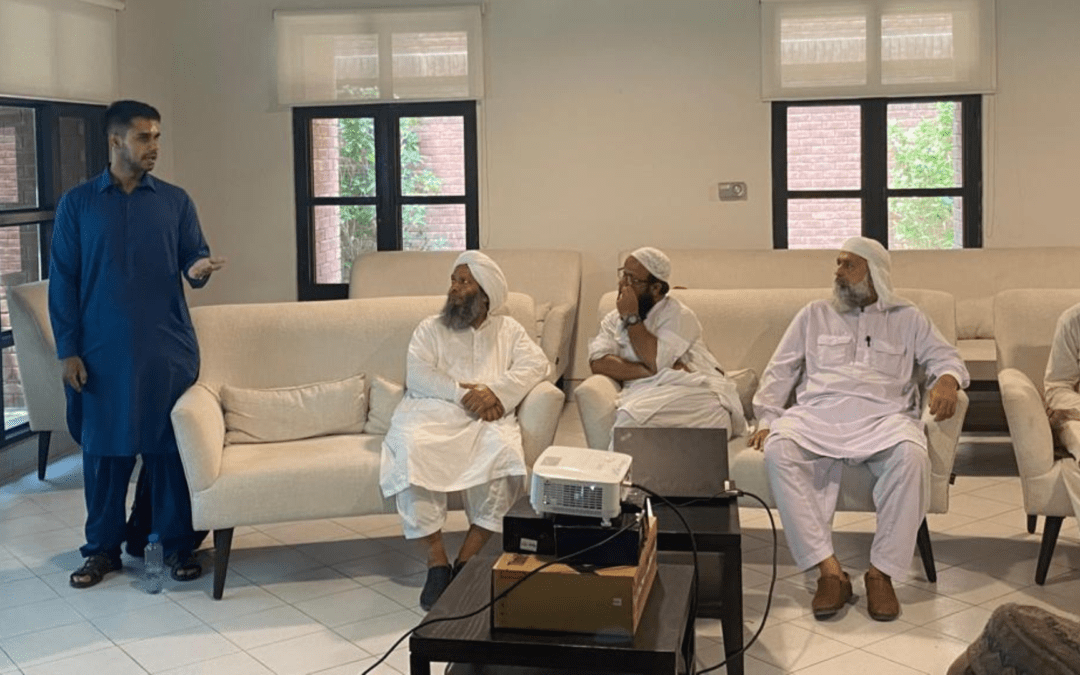
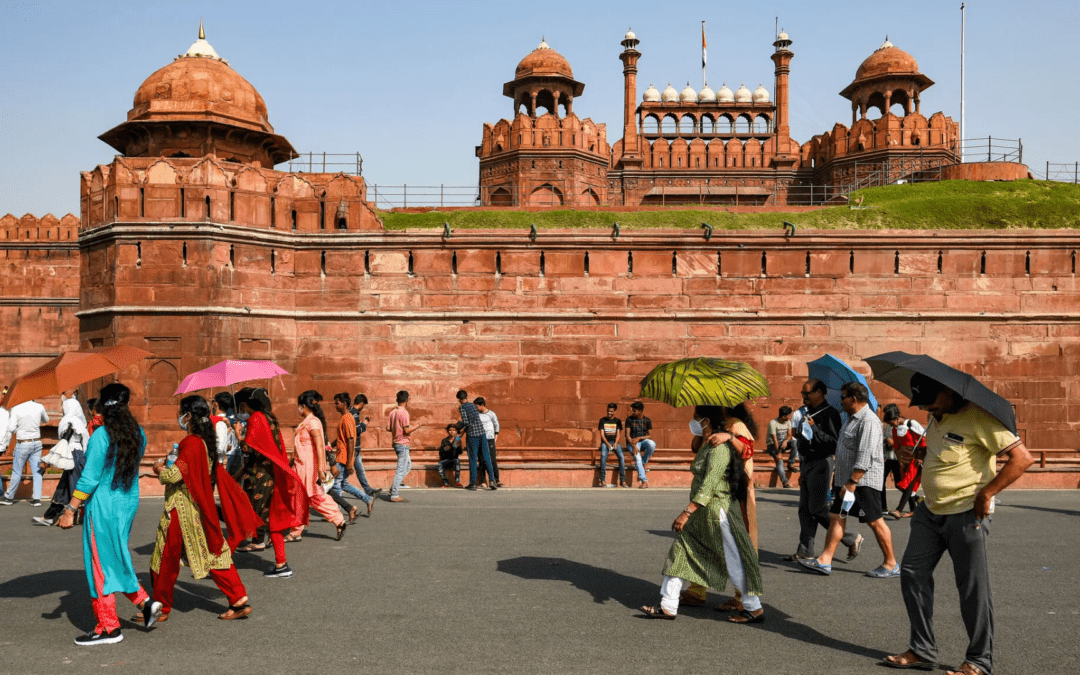
How is heat actually experienced in everyday life across homes, workplaces, and cities? At a February 3 Mittal Institute event, Between Comfort and Heat Stress: The Hidden Burden of Everyday Heat, scholars from building science, urban design, and environmental health will come together to examine the growing disconnect between how heat is measured and how it is lived. Ahead of the event, we spoke with panelist Rajan Rawal, Professor at CEPT University and Senior Advisor at the Center for Advanced Research in Building Science and Energy (CARBSE), to gather his perspective on how everyday environments shape thermal exposure, behavior, and health.

Announcing the 2026 Recipients of the Mittal Institute Faculty Climate Research Grants

Announcing the 2026 Recipients of the Mittal Institute Faculty Climate Research Grants

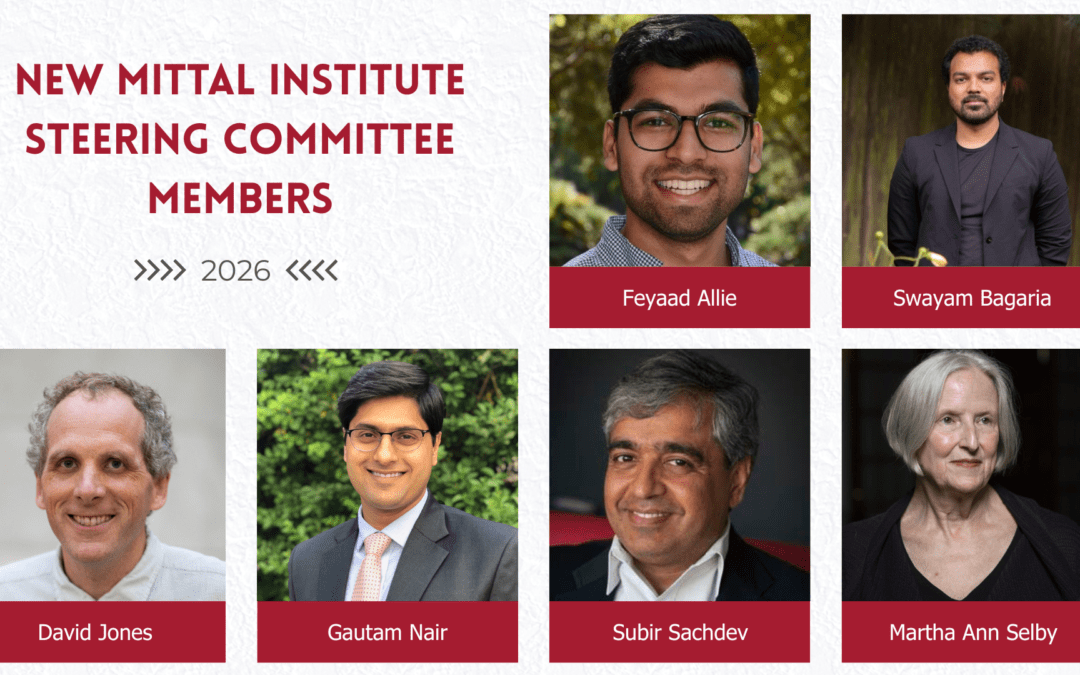
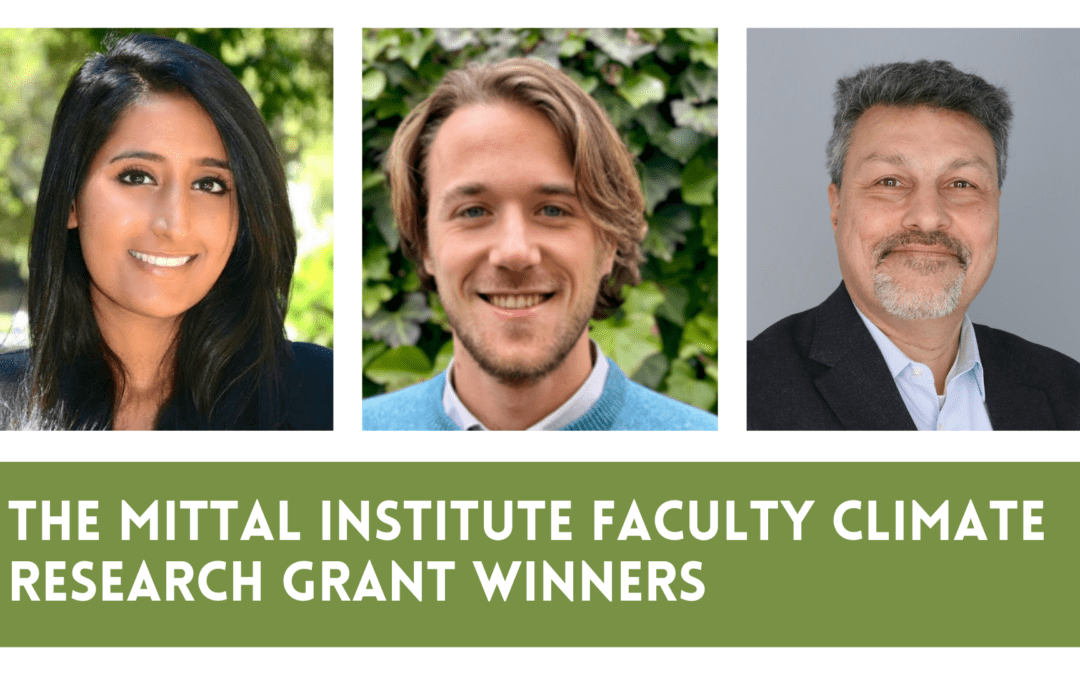
The Mittal Institute is pleased to announce its 2026 recipients of the Faculty Climate Research Grants. These grants are designed to foster deeper scholarly engagement on climate change, catalyze the creation of new knowledge, and contribute to the development of sustainable solutions across South Asia. Projects focused on three main research categories: energy transition and energy policy; food systems, agriculture, and land use; and law and policy for climate transition and adaptation.

A Space Between Selves Exhibition Explores Identity and Cultural Hybridity

A Space Between Selves Exhibition Explores Identity and Cultural Hybridity

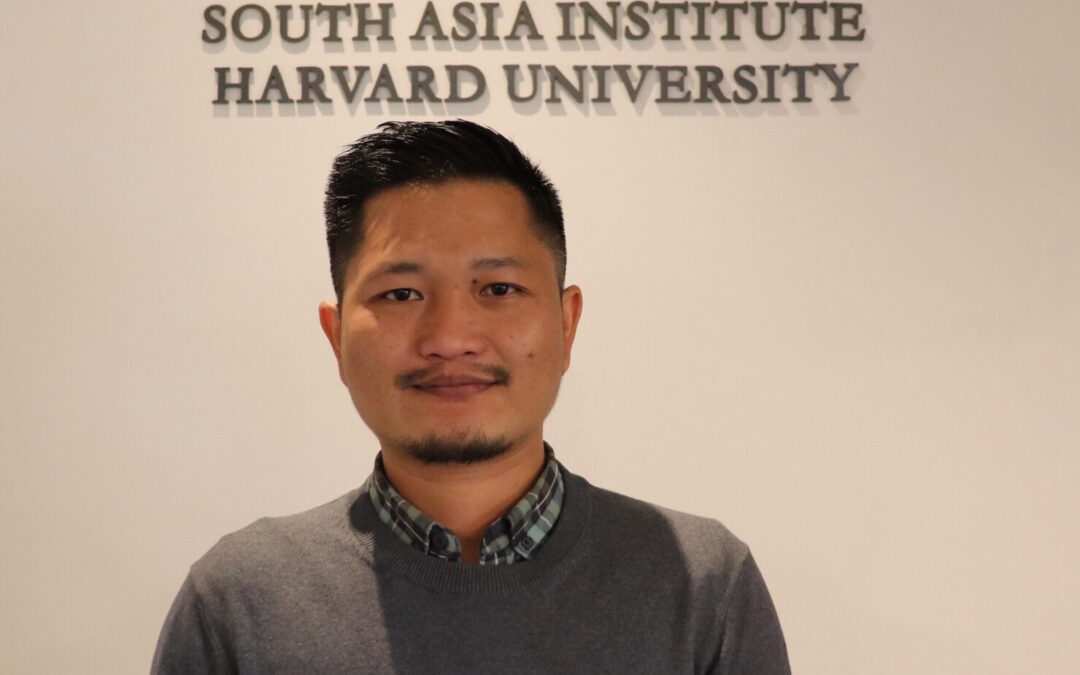
Tresa Abraham, a cultural historian of colonial South Asia with a foundation in literary studies, is the Mittal Institute’s newest Raghunathan Family Fellow. Tresa’s research focus is on the use of wild animals in power negotiations in colonial India. Trained in English literary studies, she approaches the colonial past with a literary lens, weaving together histories of animals, humans, and the empire. We spoke with Tresa about her research, and what she hopes to focus on during her fellowship at Harvard.

Tresa Abraham, Mittal Institute Raghunathan Family Fellow, on How Wild Animals Shaped Power in Colonial India

Tresa Abraham, Mittal Institute Raghunathan Family Fellow, on How Wild Animals Shaped Power in Colonial India

Tresa Abraham, a cultural historian of colonial South Asia with a foundation in literary studies, is the Mittal Institute’s newest Raghunathan Family Fellow. Tresa’s research focus is on the use of wild animals in power negotiations in colonial India. Trained in English literary studies, she approaches the colonial past with a literary lens, weaving together histories of animals, humans, and the empire. We spoke with Tresa about her research, and what she hopes to focus on during her fellowship at Harvard.

Courses on South Asia at Harvard: Spring 2026

Courses on South Asia at Harvard: Spring 2026

Harvard offers a wide array of courses on South Asia, ranging from language to history, politics, economics, religion, and much more. Check out a selection of what is offered during Spring 2026. Please refer to the Course Catalog for the most up-to-date information. We will continue to add to this list as we hear about more courses.

Climate Extremes and Maternal Well-Being: Lessons from Tamil Nadu, South India

Climate Extremes and Maternal Well-Being: Lessons from Tamil Nadu, South India

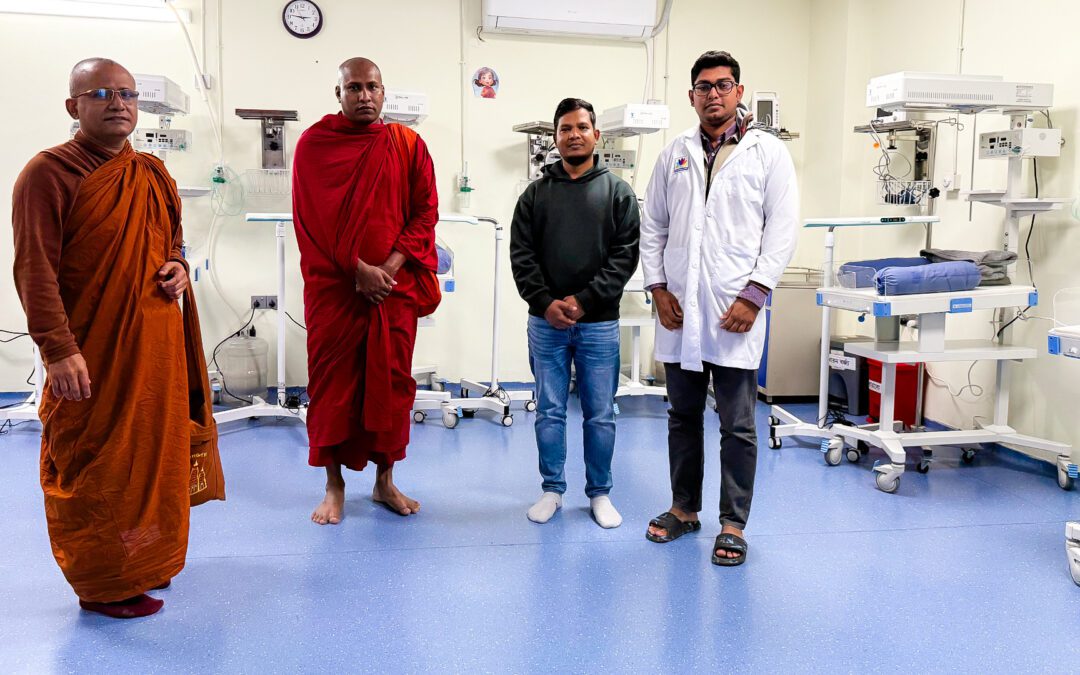
As heatwaves intensify and rainfall patterns shift, the effects of climate change in South Asia are no longer confined to the environment; they’re reshaping lives in deeply personal ways. A new India Development Review article, “In Tamil Nadu, Climate Extremes Are Reshaping Maternal Well-being,” by Mittal Institute Associate Dr. Saravanan Thangarajan explores how these environmental stresses are affecting maternal mental health across India. The research, supported by the Mittal Institute and building upon collaborations from Harvard Medical School and the Harvard T.H. Chan School of Public Health, offers powerful insights into the intersection of climate, health, and gender. Dr. Thangarajan, a Visiting Scientist at the Harvard T.H. Chan School of Public Health and Ariadne Labs, Brigham and Women’s Hospital, gave us an introduction to his article and shared some images from his fieldwork in Tamil Nadu. 

Designing for Heat Resilience: Ultra-Low Cost Solutions for Overheating and Sleep Disruption in South Asian Homes

Designing for Heat Resilience: Ultra-Low Cost Solutions for Overheating and Sleep Disruption in South Asian Homes

Rising temperatures are pushing Indian cities to the limits of human comfort, with residents in rooftop rooms particularly affected by extreme heat trapped under concrete roofs. To address these challenges, the project “Ultra-Low Cost Solutions for Overheating and Sleep
Disruption in South Asian Homes” was initiated with support from a Mittal Institute Faculty Research grant.

When Work Ends, the Heat Doesn’t

When Work Ends, the Heat Doesn’t

Researchers supported by a Mittal Institute grant and affiliated with the Salata Institute for Climate and Sustainability argue that protecting workers across the Global South from hazardous heat must not stop when they leave the job, as many low-wage workers return to homes that stay dangerously hot overnight. Their work was published in the BMJ and featured in an article by the Salata Institute.