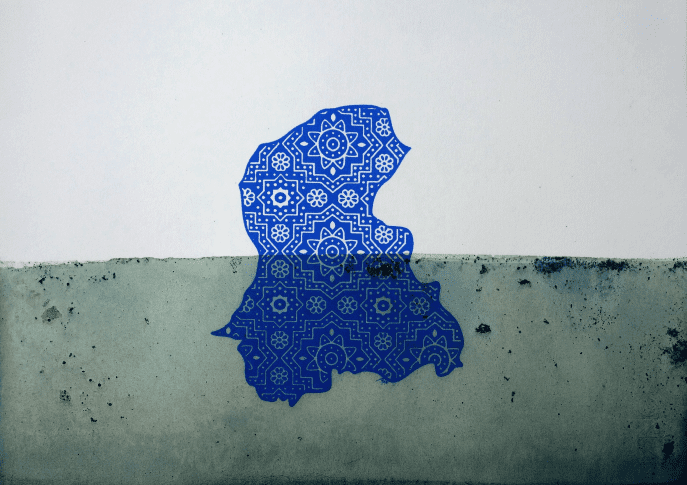
VAF 10of10 feature Interview – Krupa Makhija
Celebrating 10 Years of the Visual Artist Fellowship
Sakshi Gupta
Krupa Makhija
Looking back, how did your time as a Visiting Artist Fellow shape your artistic practice or career? (50-200 word limit)
During my research at VAF, Harvard, I initially focused on various aspects of the ‘Partition of British India.’ My attention was particularly drawn to the projects undertaken by the Lakshmi Mittal Institute concerning the ‘Partition of 1947.’ However, my research took on new dimensions after I met Professor Ali Asani and
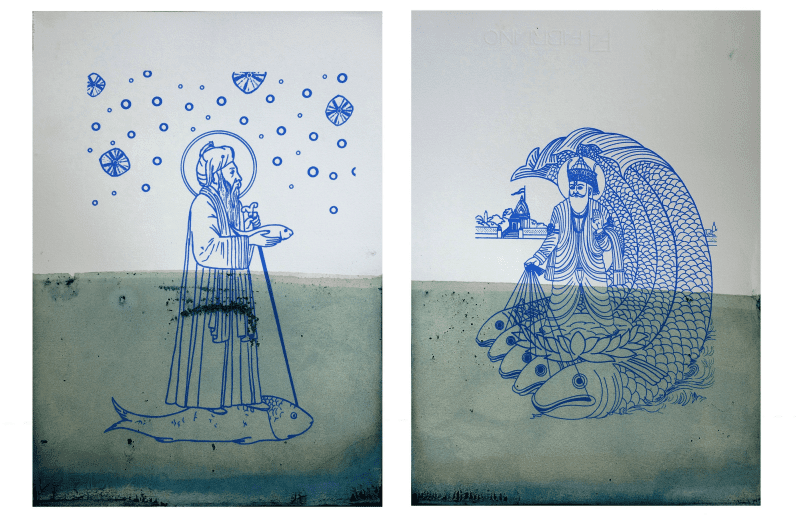
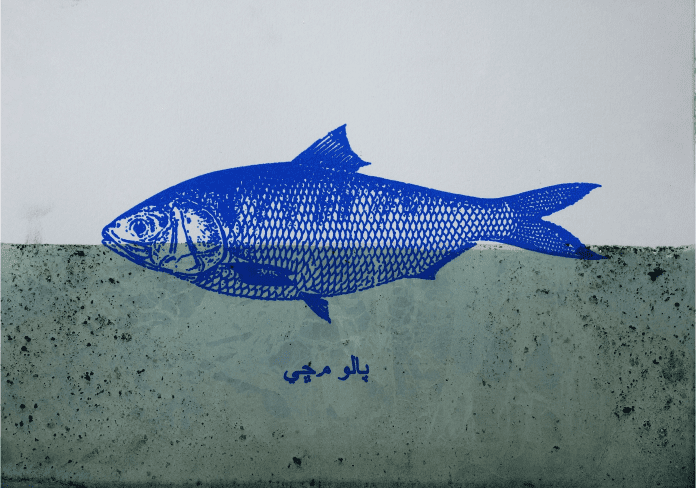
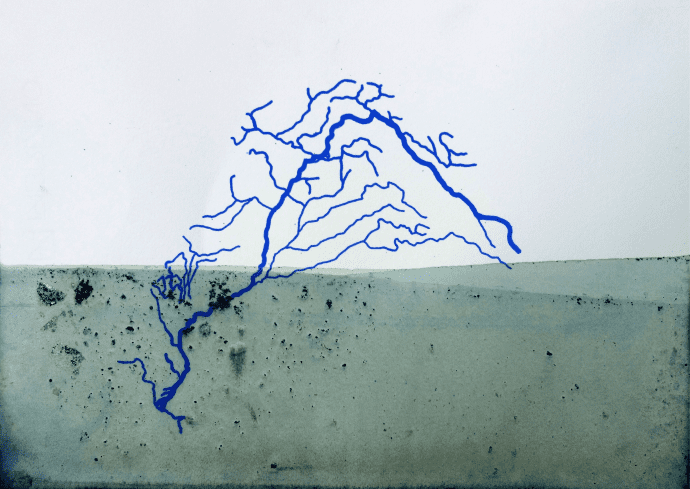
Professor Jinha Kim. My primary research interest revolved around the ‘Sindhi migrant community’ and the ‘Disappearance of the Sindhi language and ethnicity in India.’ Initially, I was uncertain, as the ‘Sindhi language and culture’ had been less studied and often overlooked. But Professor Asani significantly enhanced my understanding of ‘Sindhi Sufi literature,’ addressing crucial elements that became significant in my research and profoundly influenced my practice. The interactive sessions with Professor Diana Eck were also invaluable, contributing a refined sense of archiving qualities to my work. This fellowship has broadened the scope of my practice, leading me to explore ‘Sindhi Sufi literature,’ such as ‘Shah jo Risalo’ by Shah Abdull Latif Bhittai, as well as the ‘Indus project.’ The Indus is not merely a river; it embodies a legacy intertwined with ‘Sindhi identity.’
Were there any specific experiences, people, or opportunities during the fellowship that had a lasting impact on you?
During my research I had the opportunity to explore the Pigment collection at the Harvard Museum. For the first time in my life, I encountered such a vast collection of pigments at one place, with each pigment possessing its own unique origin story and journey. This experience was truly inspiring for me and has influenced my artistic practice. I now perceive medium as an essence that carries memories and narratives.
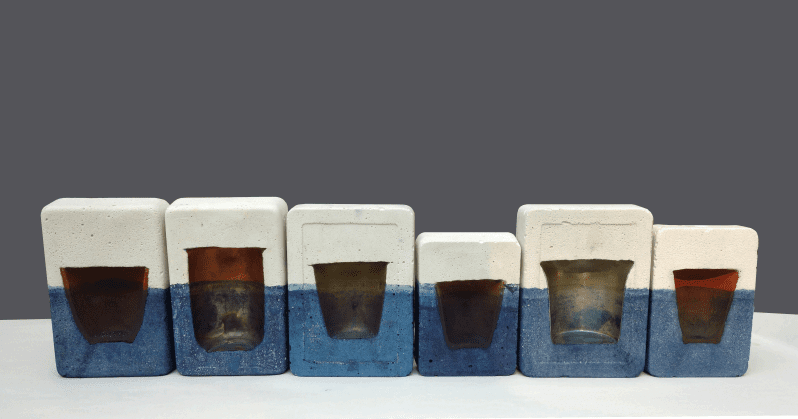
I have added ‘Indigo’ into my work, as it has a profound connection to the Indus Valley Civilization and the Sindh region, which historically served as a significant hub for its cultivation, production, trade, and traditional applications. The traditions of indigo dyeing and textiles are deeply rooted in Sindh, particularly with the Ajrak, a traditional block-printed textile that prominently features indigo as a primary dye. Indigo has connected me with my roots.
How has your work evolved since your fellowship at Harvard? What are you currently working on or excited about in your practice?
This fellowship has enabled me to connect personal expression with a more profound understanding of my cultural roots. Upon my return from Harvard, my research primarily concentrated on ‘Sindhi literature.’ Additionally, I am engaged in the project ‘In Search of Indus,’ which explores the historical, geographical, and poetic representations of the Sindhu (Indus) river. This project represents my quest for my own origin. The Indus River has played a crucial role for the Sindhi people for centuries. The term ‘Indus’ signifies more than just a river; it embodies a living ‘Cultural legacy’ for both nations (i.e India and Pakistan). Through my endeavors, I aim to pose the question of how such a legacy can be divided? By examining the intertwined narratives of the communities along the river, we can better understand how heritage is maintained, celebrated, and sometimes contested in the context of national identities.
Whose work is inspiring you right now, and why?
Kara Walker’s work is inspiring me because it fearlessly confronts uncomfortable truths about American history, race, gender, and violence using a unique and captivating style.
Share one image that captures something meaningful about your practice today. This could be a recent artwork, a studio moment, or you at work.
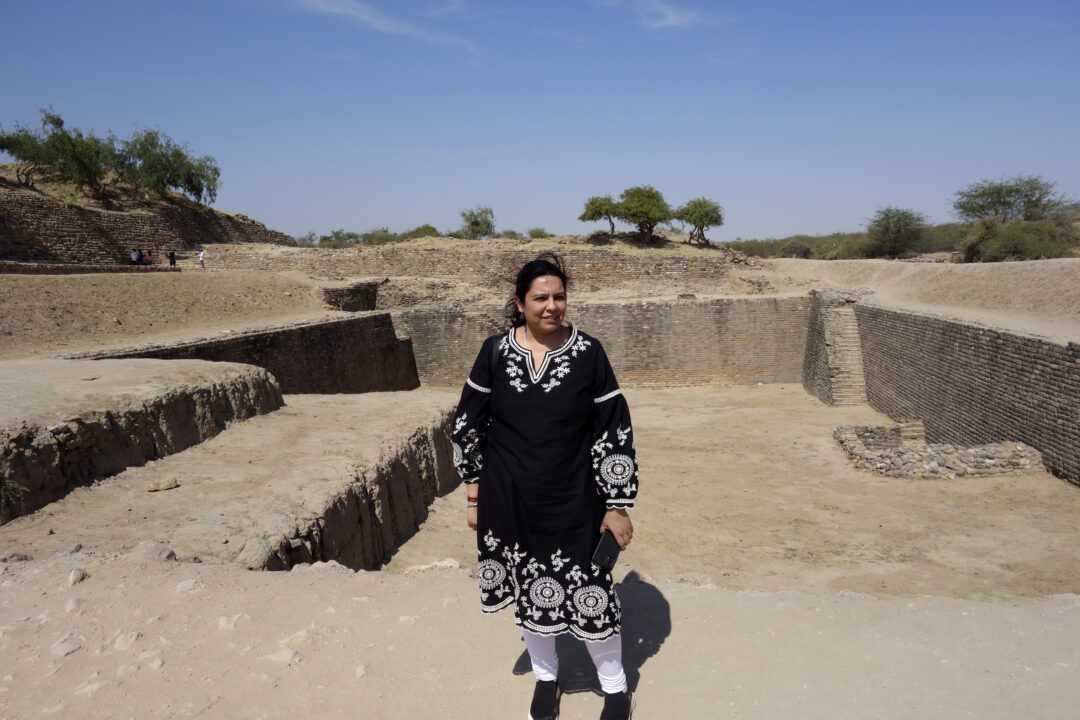
This photograph was taken during my recent research trip to Dholavira, an archaeological site at Khadirbet in Kachchh District, in the state of Gujarat in western India. This site contains ruins of an ancient Indus Valley Civilization/Harappan city. It is one of the five largest Harappan sites and most prominent archaeological sites in India belonging to the Indus Valley Civilization. It is renowned for its exceptional urban planning and highly sophisticated water conservation system
Explore more of the artist’s work here
1
2
3
4