
The Mittal Institute is pleased to announce its 2026 recipients of the Faculty Climate Research Grants, which are supported by the Mittal Family Fund. These grants are designed to foster deeper scholarly engagement on climate change, catalyze the creation of new knowledge, and contribute to the development of sustainable solutions across South Asia. Projects focused on three main research categories: energy transition and energy policy; food systems, agriculture, and land use; and law and policy for climate transition and adaptation. Read more about the three winning projects below:
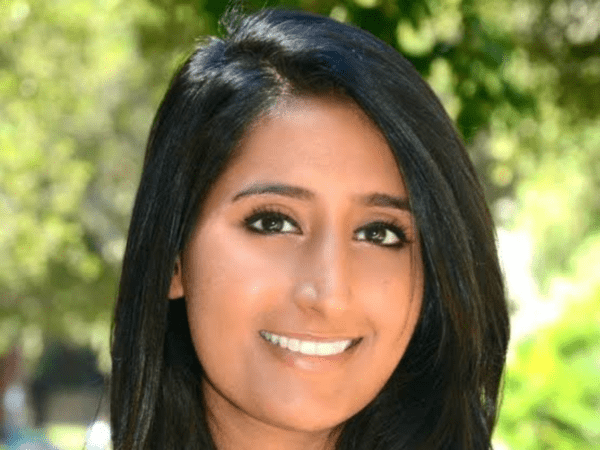 Understanding and Planning for Climate Displacement in Pakistan
Principal Investigator: Mashail Malik, Assistant Professor of Government
Climate change is a leading challenge facing low and middle-income countries in the Global South. In South Asia, diverse slow- and rapid-onset environmental disasters and extreme weather variability – ranging from droughts and heatwaves to floods, wildfires, and erosion – threaten the lives and livelihoods of billions of people. These disasters are expected to increase in frequency and severity over the next several decades as anthropogenic climate change worsens. The 2022 Pakistan floods, which displaced an estimated 8 million people, are emblematic of the threat posed by climate change and climate-inducted displacement. According to the World Bank, the floods impacted 33 million Pakistanis and caused economic damage exceeding 14 billion dollars. This year, floods caused damage to an estimated 2.5 million acres of agricultural land and once again uprooted millions of Pakistanis. Internal displacement after climate disasters and weather shocks poses an especially severe challenge for development, governance, education, equity, and public health. Weather-induced disruptions to agriculture, market integration, and social life significantly influence patterns and consequences of internal displacement.
Our proposed project aims to make headway on understanding climate displacement in Pakistan in order to facilitate planning, response, integration, and development efforts. Specifically, our proposed research aims to rectify knowledge gaps around climatedisplacement in Pakistan by contributing novel microdata and evidence on three key questions: (1) how populations affected by weather shocks make decisions about whether, when, and where to flee; (2) how climatic drivers of displacement shape internal migrants’ integration outcomes and willingness to return to origin communities; and (3) how climate-vulnerable populations (to include hosts, IDPs, and prospective climate migrants) rank-order preferences toward various climateadaptation and mitigation policies (e.g., do they prefer adaptation in-place or migration). Building evidence on these major questions fills important operational needs around poverty alleviation, emergency management, and disaster risk reduction. Implications of our work bear on policymaking and on acade
 Flood Exposure and Dynamics of Crop Insurance Demand in Pakistan
Principal Investigator: Guglielmo Zappalà, Harvard University Environmental Fellow
Agriculture sustains more than half of Pakistan’s population, yet farmers face mounting threats from floods, droughts, and erratic rainfall that jeopardize both productivity and livelihoods. While crop insurance could help farmers manage these risks, uptake remains persistently low. Building on our 2024 large-scale survey of 2,065 farmers in Punjab, which documented how basis risk and inaccurate beliefs about climate reduce insurance demand, this project investigates how direct exposure to catastrophic floods reshapes farmers’ risk perceptions, adaptation behavior, and willingness to pay for index-based crop insurance. The 2025 floods in Punjab, among the worst in recent history, created a natural quasi-experimental setting to study how extreme events influence insurance demand, adaptation responses, and welfare outcomes.
We will re-interview the same households to measure changes in insurance preferences, risk beliefs, migration decisions, and welfare outcomes. Combining household survey data with high-resolution satellite imagery and applying geophysical and machine-learning methods, we construct fine-grained measures of inundation to identify causal impacts of flood exposure in a difference-in-difference setting. The resulting longitudinal dataset will provide novel evidence on how climate shocks alter the demand for financial protection, updating of beliefs about climate risk, and the adoption of adaptation strategies. Findings will inform the design of more effective agricultural insurance products and disaster-relief policies in South Asia, with direct implications for government and microfinance programs.
 From Evidence to Action: Co-creating Gender-Inclusive Resilience Strategies with Women’s Groups in Koshi Province, Nepal
Principal Investigator: Vincenzo Bollettino, Director, Program on Resilient Communities; Director, National NGO Program on Humanitarian Leadership
The Harvard Humanitarian Initiative (HHI) proposes a collaborative workshop to advance women’s leadership and meaningful participation in climate and disaster resilience efforts in Koshi Province, Nepal. Building on an in-depth qualitative research study of women’s groups, community leaders, and policymakers, HHI will convene a multi-day, participatory workshop bringing together researchers, women’s group leaders, government officials, and practitioners. The workshop’s objectives are to validate and interpret research findings concerning women’s participation in climate and disaster initiatives, and to co-develop actionable policy and programmatic recommendations that strengthen gender-inclusive resilience at both community and policy levels.
Following the workshop, HHI and its Nepali NGO partner, Tewa, will disseminate findings and recommendations through stakeholder presentations, local media, and awareness-raising materials to promote research uptake and practical action. The project also includes co-designing leadership training modules and risk assessment toolkits tailored for women’s groups, with a planned pilot within three months post-workshop. By fostering collaborative knowledge exchange and supporting the translation of research evidence into policy and practice, this initiative aims to empower women as key agents of change and provide a model for advancing gender equity in climate and disaster resilience across Nepal and similar contexts globally.