Select Page

Category : India


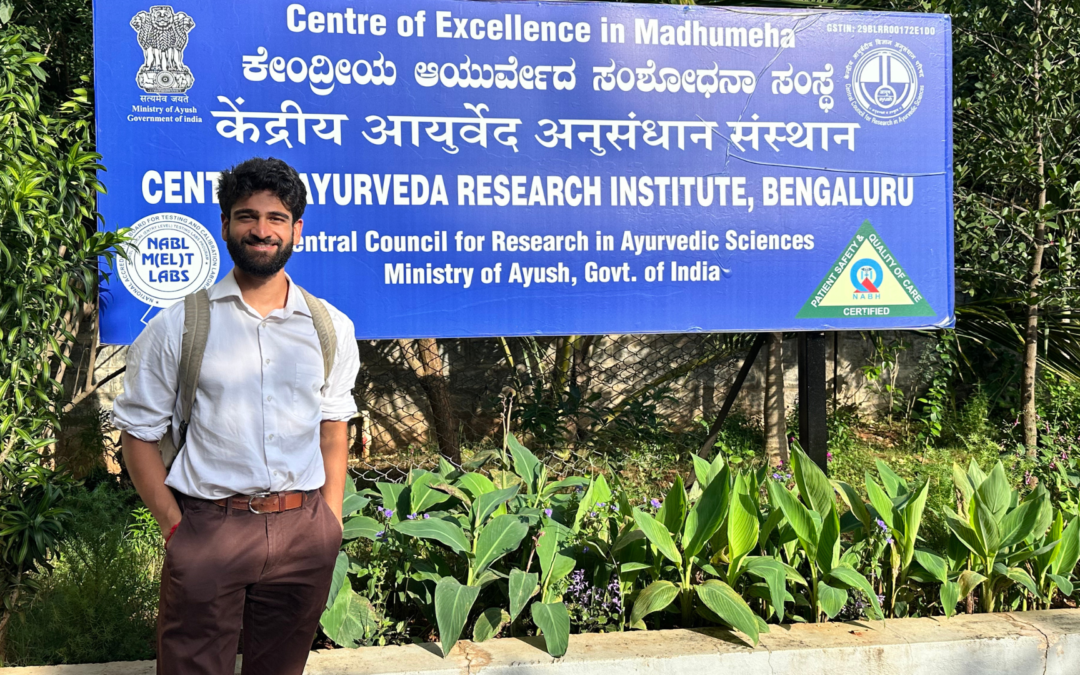
Ayurveda, Western Medicine, and the Mind: Josh Mysore ’26 Conducts Student Research in India

Ayurveda, Western Medicine, and the Mind: Josh Mysore ’26 Conducts Student Research in India

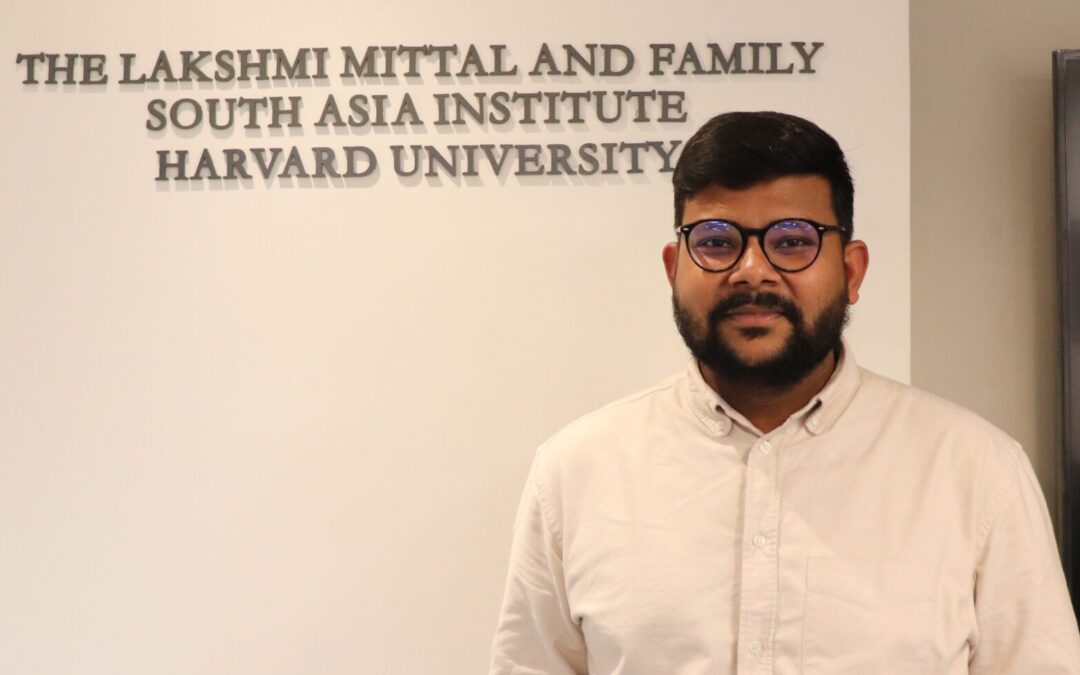
Josh Mysore ’26, a Harvard College dual concentrator in Computer Science and Social Studies, spent his summer conducting thesis research in Kerala, Bangalore, and Auroville, India through a Mittal Institute student grant. His project examined the history and frameworks of Ayurvedic medicine, in contrast with Western medicine, to understand how culture and scientific method shape concepts of the mind and psyche. We spoke with Josh for more on his project.

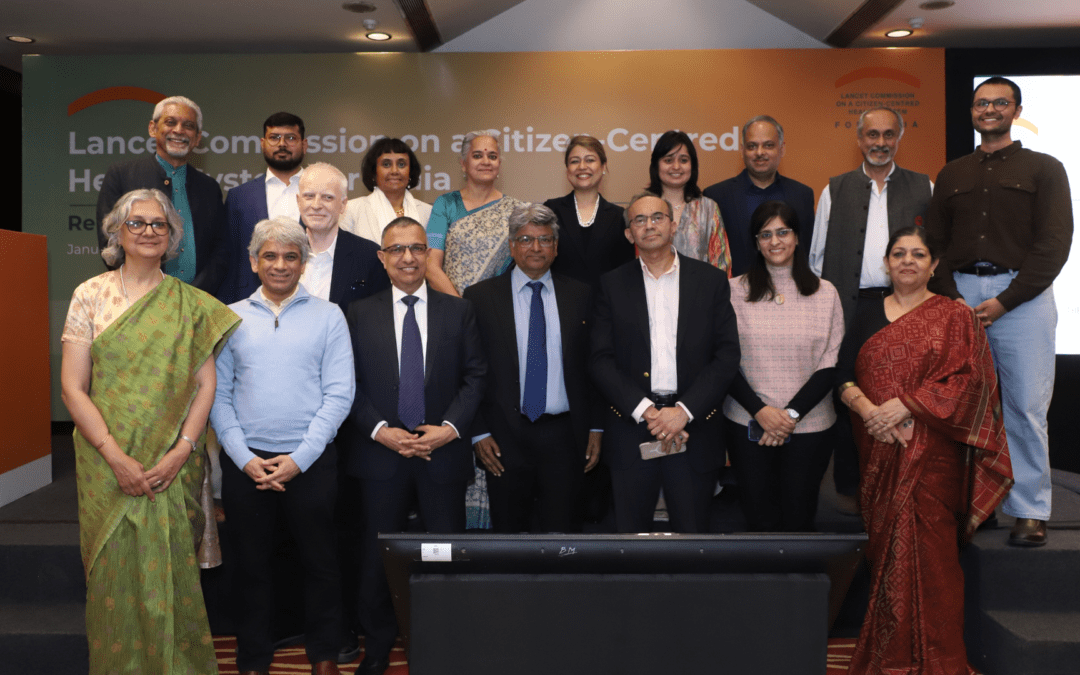
The Lancet Citizens’ Commission: Report Launch

The Lancet Citizens’ Commission: Report Launch

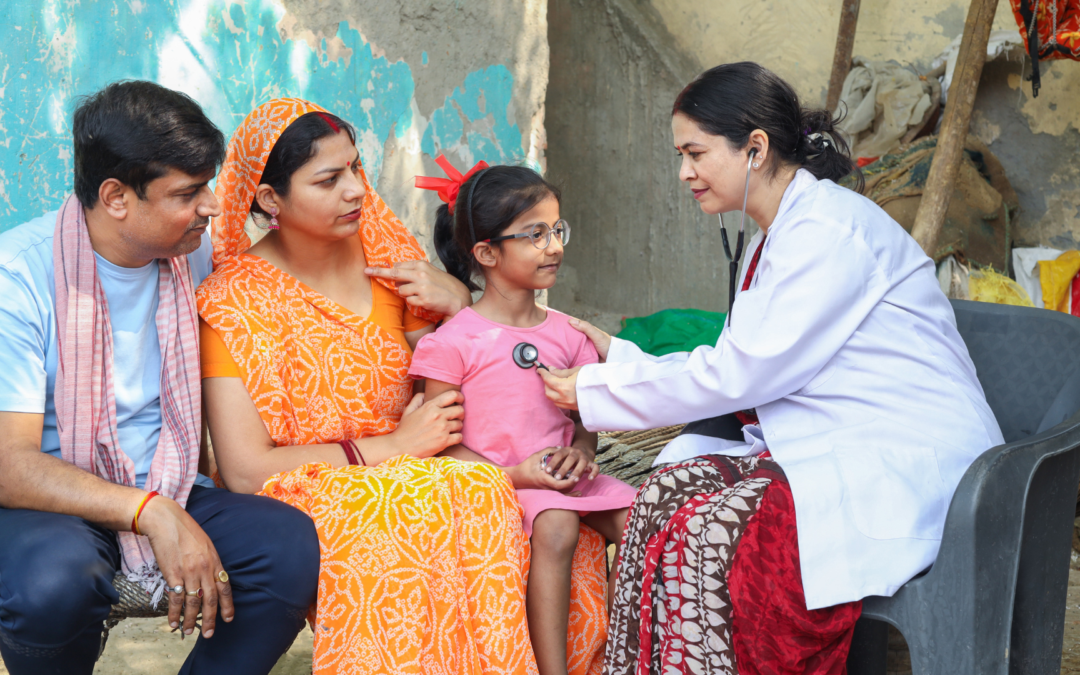
The Lancet Citizens’ Commission on Reimagining India’s Health System—supported by the Mittal Institute—is an ambitious, cross-sectoral initiative aimed at charting a pathway toward universal health coverage for the people of India. Launched in December 2020 amid the COVID-19 pandemic, the Commission has since undertaken a series of in-depth research studies. The public launch of its final report on January 21, 2026 in New Delhi, India marked the culmination of a multi-year effort to synthesize evidence and articulate reform pathways for a health system that is equitable, forward-looking, and accountable to India’s citizens.

A Space Between Selves Exhibition Explores Identity and Cultural Hybridity

A Space Between Selves Exhibition Explores Identity and Cultural Hybridity

Tresa Abraham, a cultural historian of colonial South Asia with a foundation in literary studies, is the Mittal Institute’s newest Raghunathan Family Fellow. Tresa’s research focus is on the use of wild animals in power negotiations in colonial India. Trained in English literary studies, she approaches the colonial past with a literary lens, weaving together histories of animals, humans, and the empire. We spoke with Tresa about her research, and what she hopes to focus on during her fellowship at Harvard.

Tresa Abraham, Mittal Institute Raghunathan Family Fellow, on How Wild Animals Shaped Power in Colonial India

Tresa Abraham, Mittal Institute Raghunathan Family Fellow, on How Wild Animals Shaped Power in Colonial India

Tresa Abraham, a cultural historian of colonial South Asia with a foundation in literary studies, is the Mittal Institute’s newest Raghunathan Family Fellow. Tresa’s research focus is on the use of wild animals in power negotiations in colonial India. Trained in English literary studies, she approaches the colonial past with a literary lens, weaving together histories of animals, humans, and the empire. We spoke with Tresa about her research, and what she hopes to focus on during her fellowship at Harvard.

Climate Extremes and Maternal Well-Being: Lessons from Tamil Nadu, South India

Climate Extremes and Maternal Well-Being: Lessons from Tamil Nadu, South India

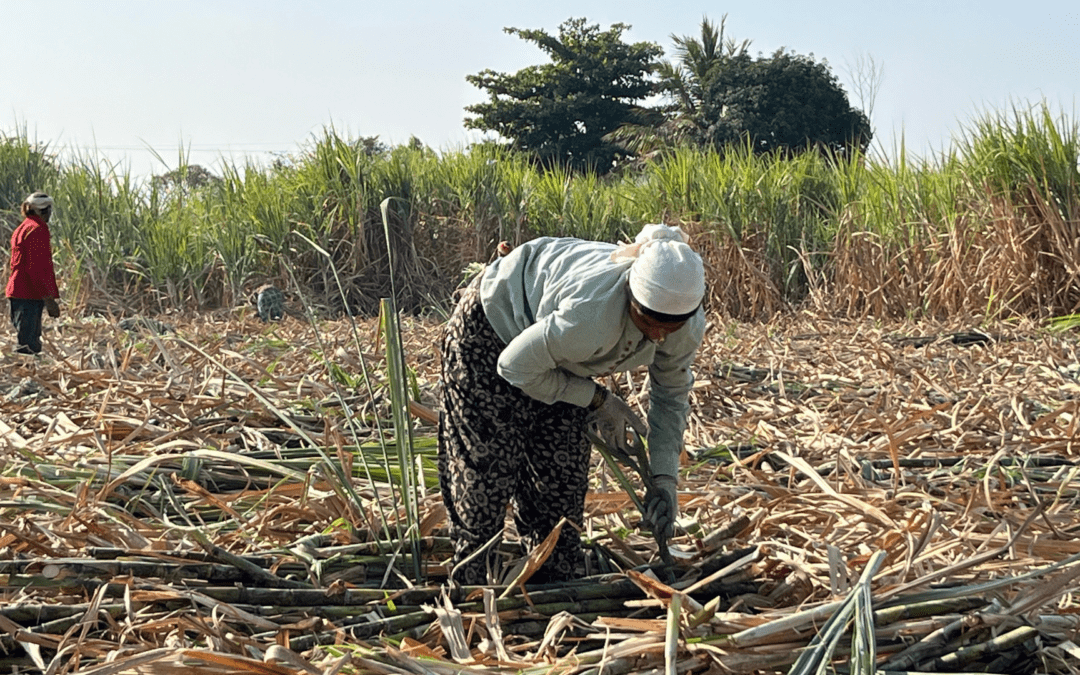
As heatwaves intensify and rainfall patterns shift, the effects of climate change in South Asia are no longer confined to the environment; they’re reshaping lives in deeply personal ways. A new India Development Review article, “In Tamil Nadu, Climate Extremes Are Reshaping Maternal Well-being,” by Mittal Institute Associate Dr. Saravanan Thangarajan explores how these environmental stresses are affecting maternal mental health across India. The research, supported by the Mittal Institute and building upon collaborations from Harvard Medical School and the Harvard T.H. Chan School of Public Health, offers powerful insights into the intersection of climate, health, and gender. Dr. Thangarajan, a Visiting Scientist at the Harvard T.H. Chan School of Public Health and Ariadne Labs, Brigham and Women’s Hospital, gave us an introduction to his article and shared some images from his fieldwork in Tamil Nadu. 

Reflections on Workplace Mental Health: A Formal and Informal Workforce Perspective

Reflections on Workplace Mental Health: A Formal and Informal Workforce Perspective

The webinar, “Reflections on Workplace Mental Health: A Formal and Informal Workforce Perspective,” convened prominent voices from academia, policy, and worker organizations to discuss the critical importance of mental health in both formal and informal work settings. The discussion highlighted how different workplace contexts influence well-being and what steps are needed to build more supportive environments for workers.

Designing for Heat Resilience: Ultra-Low Cost Solutions for Overheating and Sleep Disruption in South Asian Homes

Designing for Heat Resilience: Ultra-Low Cost Solutions for Overheating and Sleep Disruption in South Asian Homes

Rising temperatures are pushing Indian cities to the limits of human comfort, with residents in rooftop rooms particularly affected by extreme heat trapped under concrete roofs. To address these challenges, the project “Ultra-Low Cost Solutions for Overheating and Sleep
Disruption in South Asian Homes” was initiated with support from a Mittal Institute Faculty Research grant.

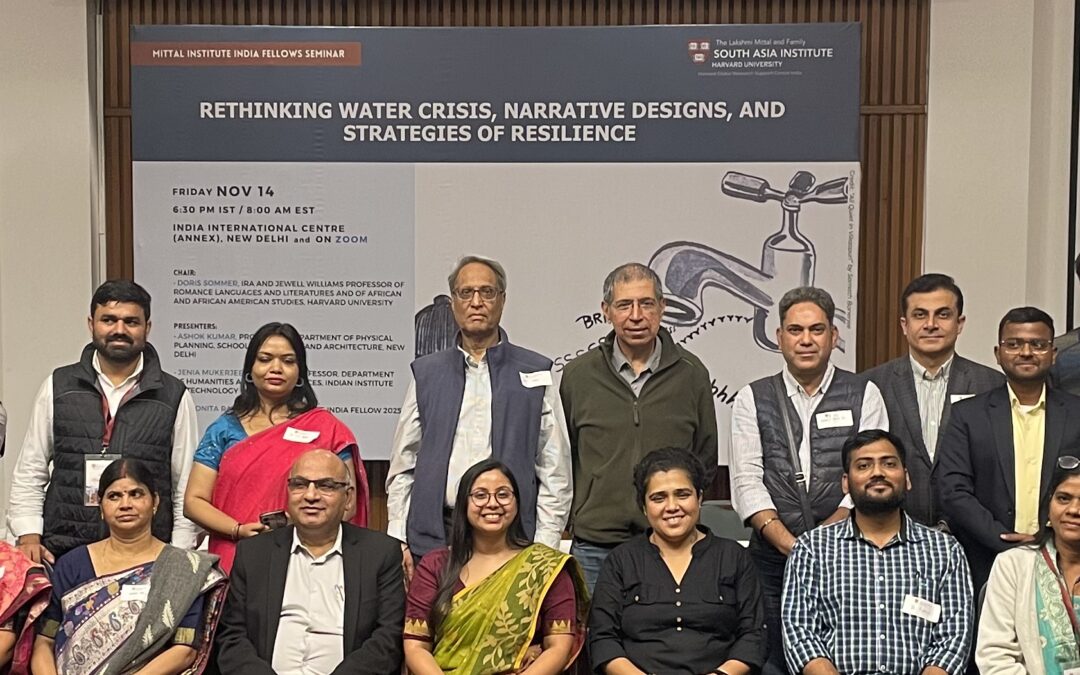
Beyond the Surface: Rinan Shah and Nobonita Rakshit Reframe India’s Water Crisis Through Boundaries, Gender, and Storytelling

Beyond the Surface: Rinan Shah and Nobonita Rakshit Reframe India’s Water Crisis Through Boundaries, Gender, and Storytelling

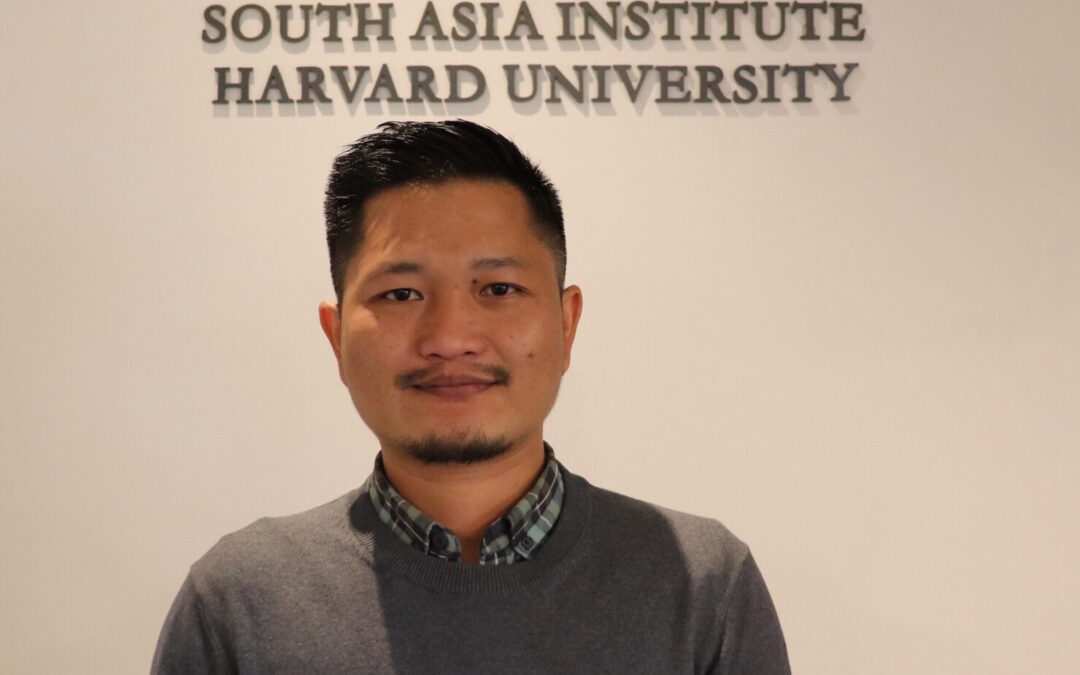
Two India Fellows, Rinan and Nobonita, at the Mittal Institute, explore water through the lenses of governance, gender, and narrative has opened new ways of understanding this crisis. Instead of starting with scarcity as a number, their works ask us to see water as lived experience: shaped by boundaries, by politics, and by stories.

Informal Enterprises in India: Bridging Data, Policy, and Action for Inclusive Growth

Informal Enterprises in India: Bridging Data, Policy, and Action for Inclusive Growth

To better understand the significance, characteristics and performance of informal enterprises, particularly those operated by women, a project entitled “Enterprises in India” was launched with support from a Mittal Institute Faculty Research grant. The project is by Martha (Marty) Chen, Associate of the Mittal South Asia Institute at Harvard University and former professor at Harvard Kennedy School and the Harvard Graduate School of Design, and Renana Jhabvala, President of SEWA Bharat, who have worked together for over 40 years – bridging activism, statistics, research and policy – to support livelihoods and enterprises in the informal economy, both in India and around the world.