Select Page

Category : In Region


Climate, Debt, and Reproductive Health in India’s Sugarcane Belt

Climate, Debt, and Reproductive Health in India’s Sugarcane Belt

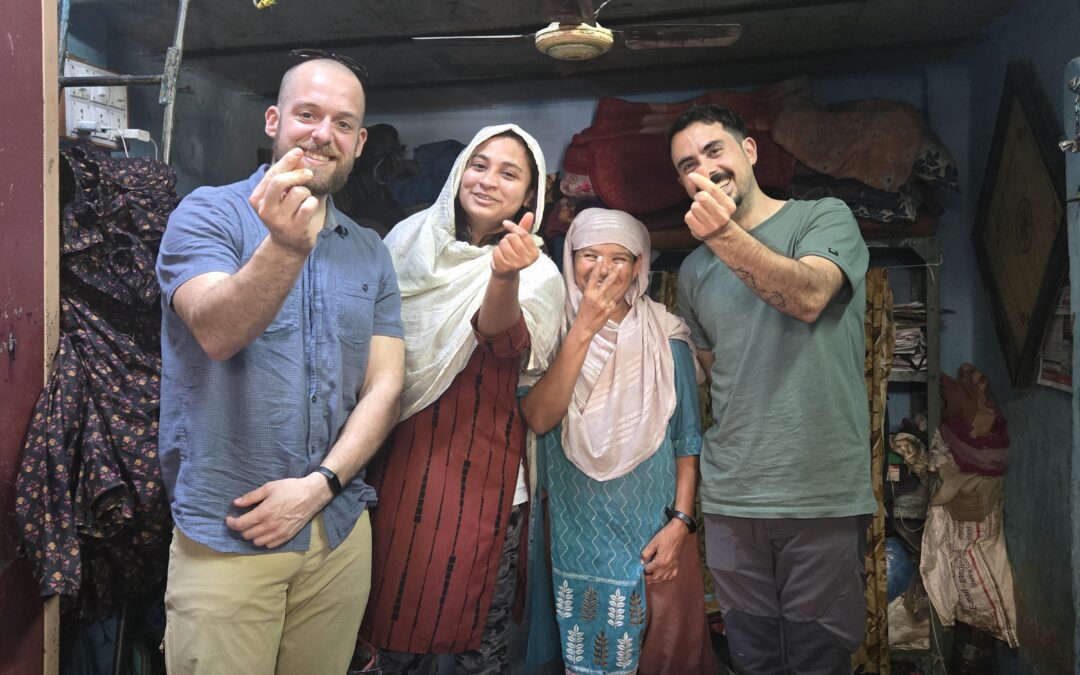
Prof. Eliana La Ferrara, Professor of Public Policy, Harvard Kennedy School and Aditi Bhowmick, Center for International Development Ph.D Affiliate, Concentrations in Development Economics & Labor Economics are inaugural recipients of the Mittal Institute’s Faculty Climate Grant program. Their project examines how climate change, debt, and gender norms combine to harm female sugarcane cutters in drought-prone Maharashtra, India.

Faith or Expertise? Adil Ahsan, a Public Policy Ph.D Candidate, on Who Delivers Public Health Messages Best

Faith or Expertise? Adil Ahsan, a Public Policy Ph.D Candidate, on Who Delivers Public Health Messages Best

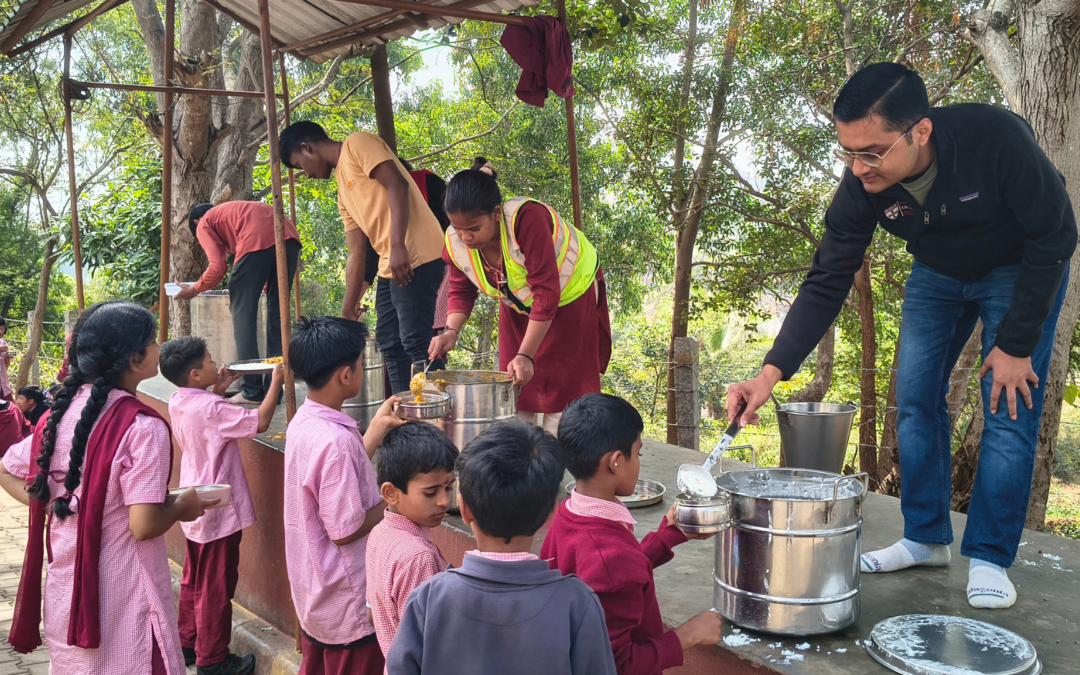
Adil Ahsan, a Ph.D candidate in Public Policy at the Harvard Graduate School of Arts and Sciences, spent his summer in Lahore, Pakistan through a Mittal Institute student grant. His study examined whether handwashing messages delivered by religious leaders are more effective than those from secular authorities, in order to evaluate the extent to which low trust in state institutions can blunt informational interventions among religious populations. We spoke with Adil for more on his project.

Harvard Divinity Student Kazal Barua ’27 Studies How a Bangladeshi Monk Reimagines Monasticism

Harvard Divinity Student Kazal Barua ’27 Studies How a Bangladeshi Monk Reimagines Monasticism

Kazal Barua ’27, a Harvard Divinity School Master of Theological Studies student, spent his winter conducting research in Bangladesh through a Mittal Institute student grant. His project, “Reimagining the Roles of Buddhist Monastics in Bangladesh: The Case of Shasana Rakkhit Bhikkhu and BCCUL” examined how a Buddhist monk blends spiritual insight with corporate skills to lead a financial organization, drive cross-religious community development, and reimagine the traditional role of monasticism. We spoke with Kazal for more on his project.

While the Taps Still Run: Rethinking Water Crisis Through Narrative and Practice

While the Taps Still Run: Rethinking Water Crisis Through Narrative and Practice

The Mittal Institute hosted a seminar titled “Rethinking Water Crisis, Narrative Designs, and Strategies of Resilience,” marking the end-of-fellowship seminar of Dr. Nobonita Rakshit, India Fellow at the Mittal Institute. The session was chaired by her mentor, Professor Doris Sommer, Ira and Jewel Williams Professor of Romance Languages and Literatures and of African and African American Studies at Harvard University.

Ayurveda, Western Medicine, and the Mind: Josh Mysore ’26 Conducts Student Research in India

Ayurveda, Western Medicine, and the Mind: Josh Mysore ’26 Conducts Student Research in India

Josh Mysore ’26, a Harvard College dual concentrator in Computer Science and Social Studies, spent his summer conducting thesis research in Kerala, Bangalore, and Auroville, India through a Mittal Institute student grant. His project examined the history and frameworks of Ayurvedic medicine, in contrast with Western medicine, to understand how culture and scientific method shape concepts of the mind and psyche. We spoke with Josh for more on his project.

Fatima Fayyaz, Syed Babar Ali Fellow, Traces Āshūrā Poetry Across South Asia and Iran

Fatima Fayyaz, Syed Babar Ali Fellow, Traces Āshūrā Poetry Across South Asia and Iran

The Mittal Institute is pleased to welcome Fatima Fayyaz, who joins us this spring semester as the Syed Babar Ali Fellow. Fatima is an Assistant Professor of Comparative Literature and Creative Arts at the Lahore University of Management Sciences (LUMS). Her research focuses on Persian mystical and epic literature across Iran and the broader Persianate world, including Central Asia, Afghanistan, and South Asia. During her fellowship at the Mittal Institute, Fatima will undertake a comparative study of āshūrā poetry in Urdu and Persian, tracing its development from the 16th century onward in South Asia and Iran. We spoke with Fatima to learn more about her research and the focus of her fellowship.

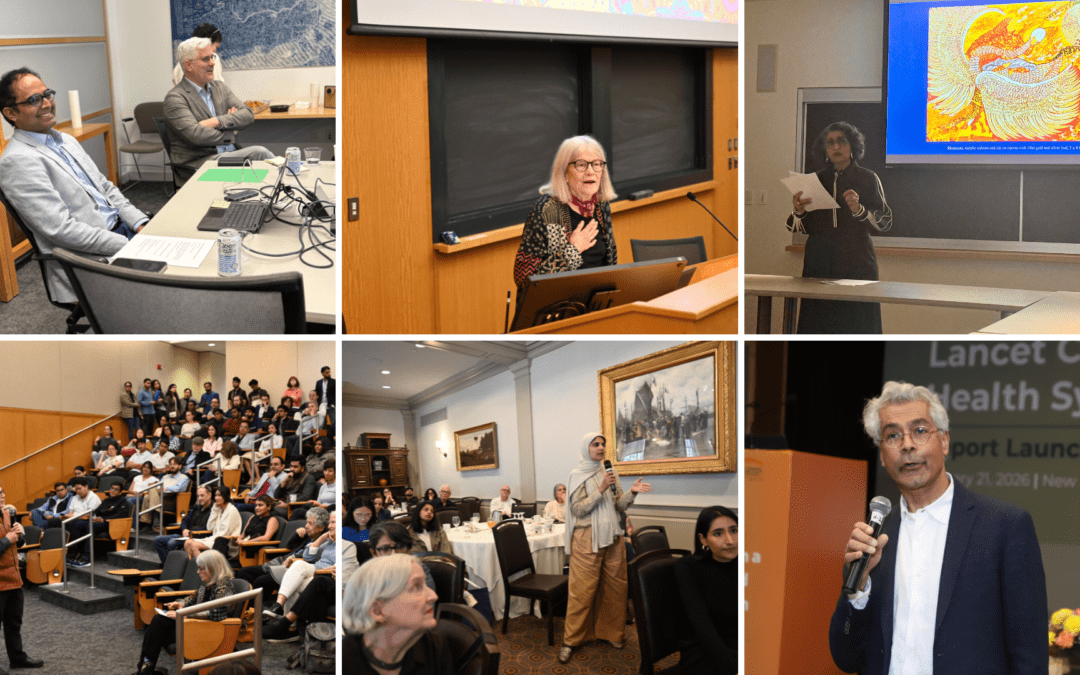
The Lancet Citizens’ Commission: Report Launch

The Lancet Citizens’ Commission: Report Launch

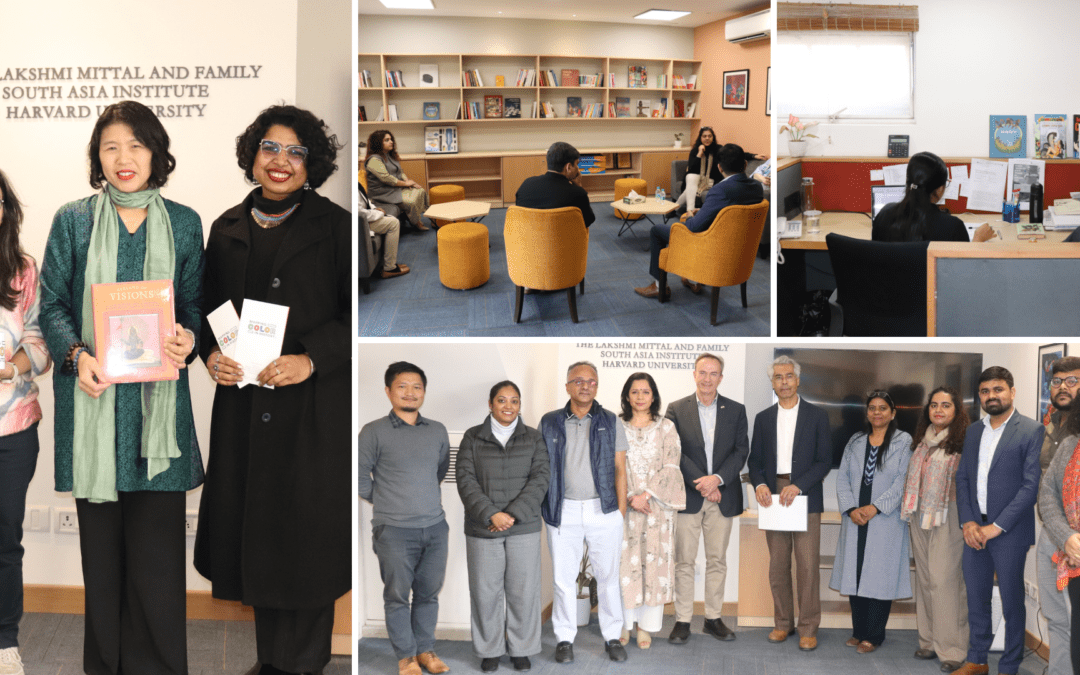
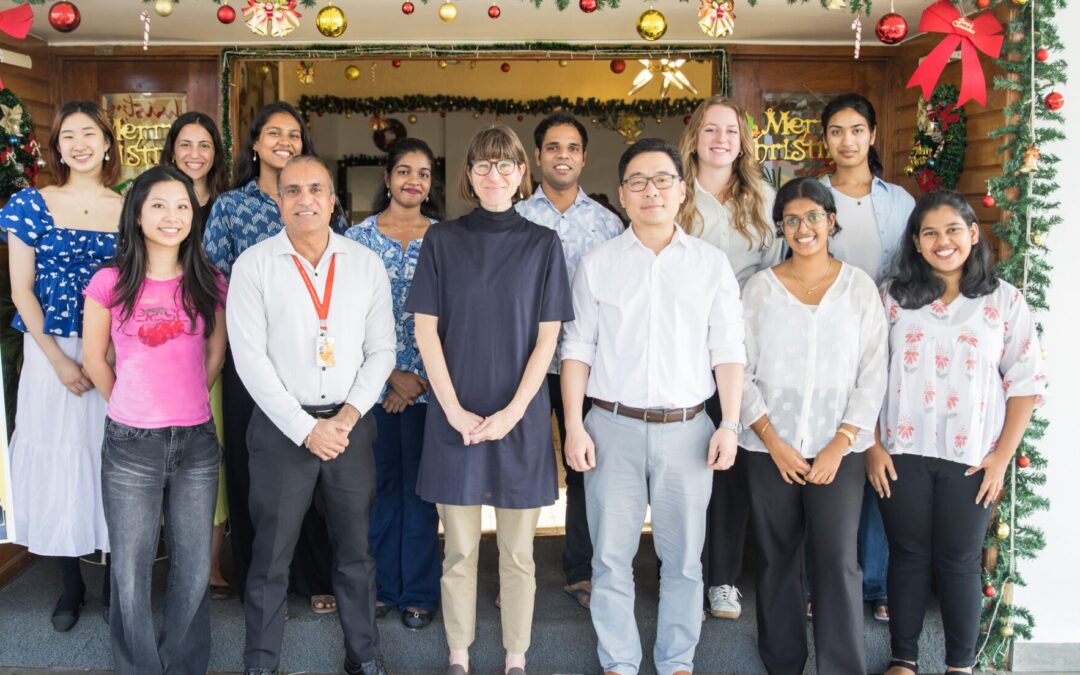
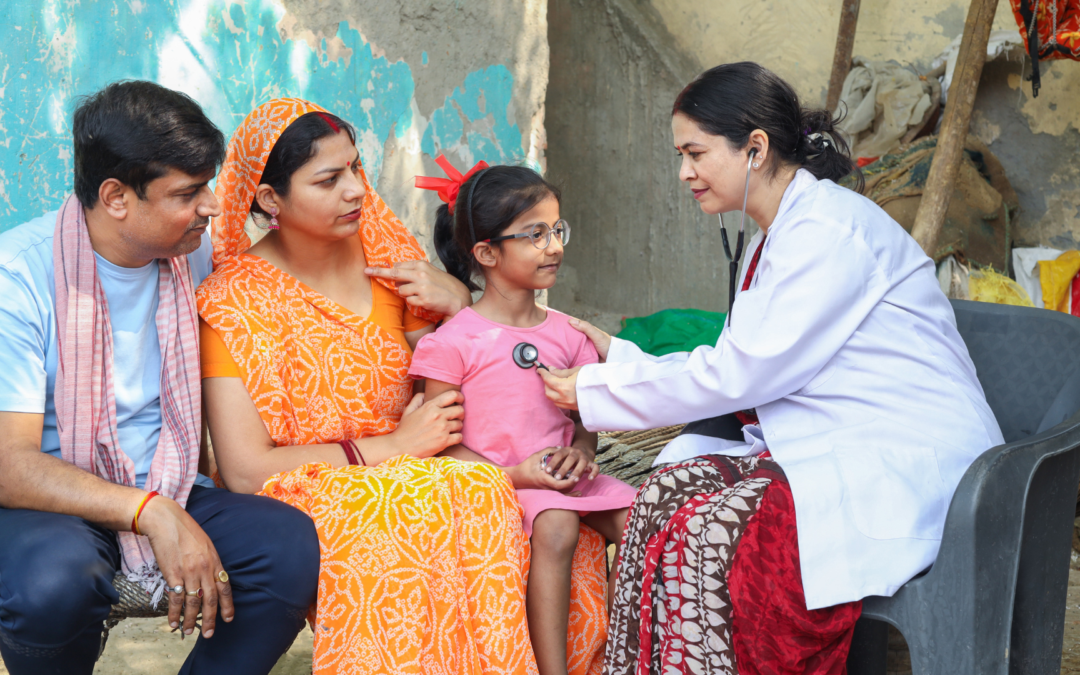
The Lancet Citizens’ Commission on Reimagining India’s Health System—supported by the Mittal Institute—is an ambitious, cross-sectoral initiative aimed at charting a pathway toward universal health coverage for the people of India. Launched in December 2020 amid the COVID-19 pandemic, the Commission has since undertaken a series of in-depth research studies. The public launch of its final report on January 21, 2026 in New Delhi, India marked the culmination of a multi-year effort to synthesize evidence and articulate reform pathways for a health system that is equitable, forward-looking, and accountable to India’s citizens.

Watch Now: The Mittal Institute’s Top Event Videos of 2025

Watch Now: The Mittal Institute’s Top Event Videos of 2025

In 2024, the Mittal Institute community came together for virtual and in-person events in Cambridge, New Delhi, and beyond, on a diverse array of topics: a deep dive into the impacts of heat, lectures on ancient architecture and global health, an exploration of Bangladesh’s history and future, and much more. View our curated list of some not-to-be-missed events, and visit our YouTube page for more.

A Space Between Selves Exhibition Explores Identity and Cultural Hybridity

A Space Between Selves Exhibition Explores Identity and Cultural Hybridity

Tresa Abraham, a cultural historian of colonial South Asia with a foundation in literary studies, is the Mittal Institute’s newest Raghunathan Family Fellow. Tresa’s research focus is on the use of wild animals in power negotiations in colonial India. Trained in English literary studies, she approaches the colonial past with a literary lens, weaving together histories of animals, humans, and the empire. We spoke with Tresa about her research, and what she hopes to focus on during her fellowship at Harvard.

Tresa Abraham, Mittal Institute Raghunathan Family Fellow, on How Wild Animals Shaped Power in Colonial India

Tresa Abraham, Mittal Institute Raghunathan Family Fellow, on How Wild Animals Shaped Power in Colonial India

Tresa Abraham, a cultural historian of colonial South Asia with a foundation in literary studies, is the Mittal Institute’s newest Raghunathan Family Fellow. Tresa’s research focus is on the use of wild animals in power negotiations in colonial India. Trained in English literary studies, she approaches the colonial past with a literary lens, weaving together histories of animals, humans, and the empire. We spoke with Tresa about her research, and what she hopes to focus on during her fellowship at Harvard.