Category : Faculty
Nov 3, 2022 | Announcements, Community, Faculty, In Region, India, News, South Asia in the News
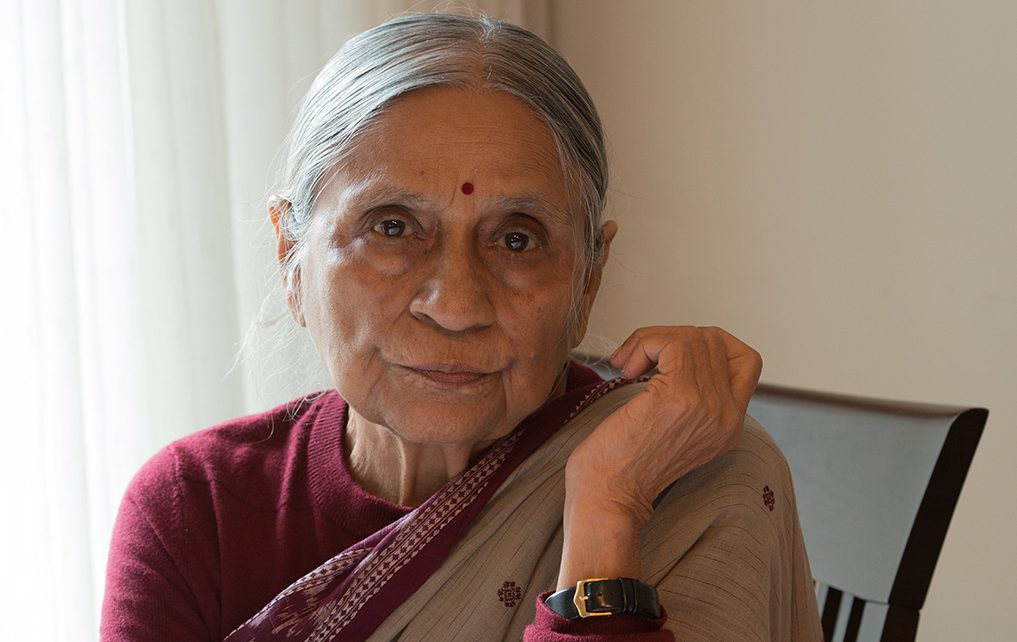
Ela Bhatt, founder of the Self-Employed Women’s Association of India (SEWA) in 1972 and dedicated women’s right activist, passed away at age 89. Often called a “gentle revolutionary” for her Gandhian practitice of non-violence, Bhatt championed the lives of marginalized women across the world through SEWA. With a membership of over 2.1 million, SEWA is the largest Central Trade union, comprised of self-employed women workers across 18 states of India. SEWA works to improve their livelihoods through technical training, microfinance, market linkages, technology, and more. Bhatt is the recipient of a host of honors, including an Honorary Doctorate degree from Harvard University, a Radcliffe Medal, and the civilian honour of Padma Shri by the Government of India. Our Mittal Institute community remembers Bhatt and her lasting legacy in the following remembrances.
Nov 1, 2022 | Announcements, Community, Faculty, In Region, India, News, South Asia in the News
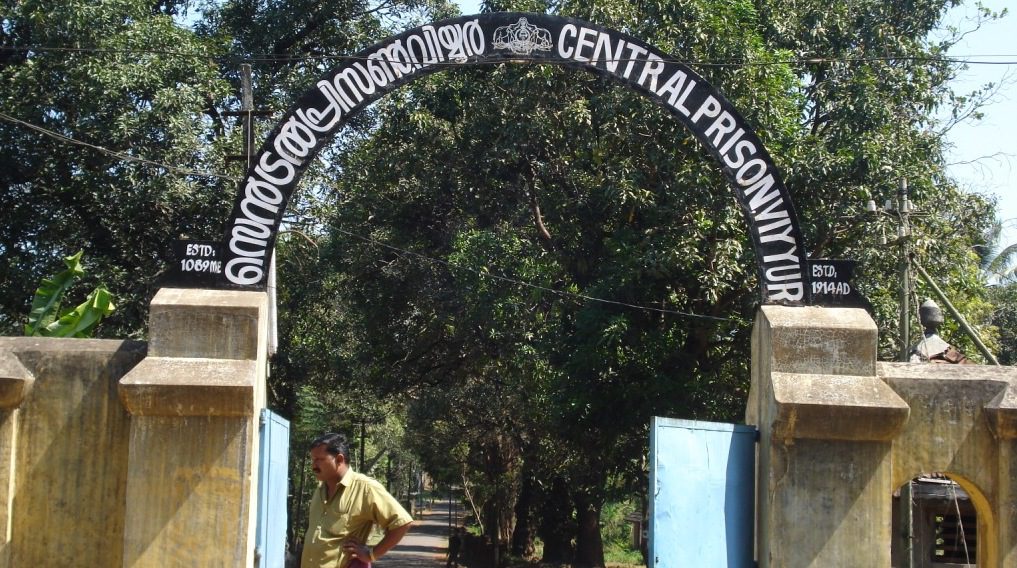
Adaner Usmani, an Assistant Professor of Sociology and Social Studies at Harvard University, is a recent recipient of a Mittal Institute faculty grant for his project, “The History of Punishment in India.” LMSAI faculty grants support research projects that catalyze connectivity between scholars at Harvard and those in South Asia. Professor Usmani’s particular project explores the incarceration system in India and how, despite low levels of policing and punishment, India has remarkably low levels of (recorded) violence. Professor Usmani’s project aims to solve this sociological puzzle by collecting data to understand the history of violence and punishment in India. We spoke to him about his project, his interest in the field, and an upcoming book.
Oct 19, 2022 | Announcements, Community, Faculty, News, South Asia in the News, Students
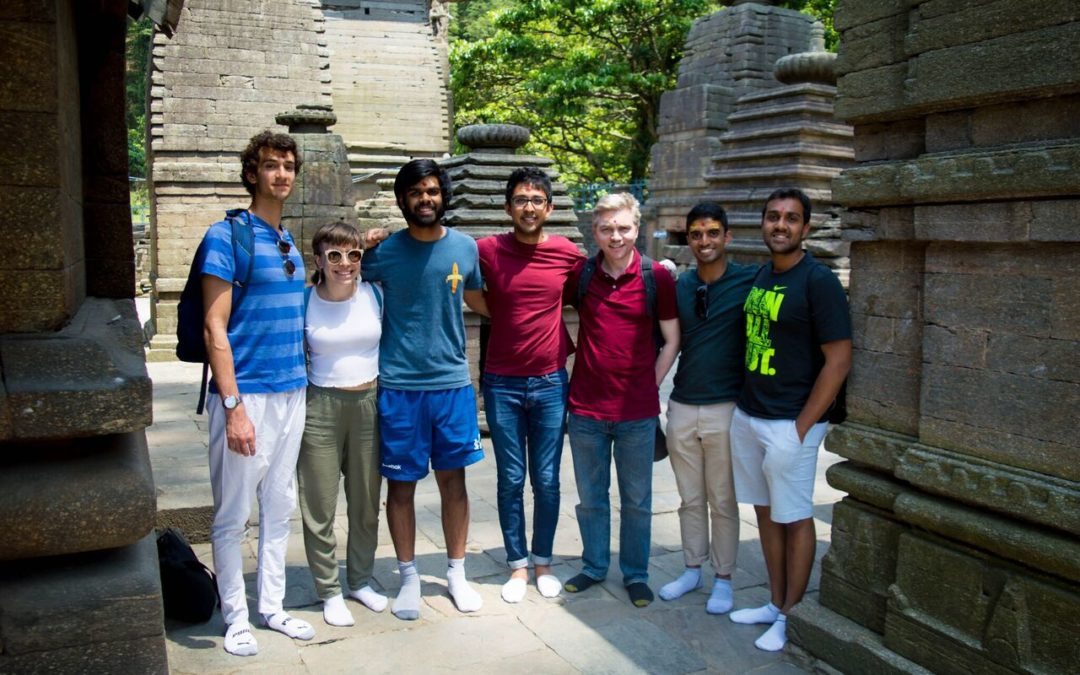
As a teenager, Richard Delacy’s interest in Hindi and Urdu was piqued – and that interest led to a career as a language scholar and educator. Richard is a Preceptor of Hindi (one of two official languages of India, and 3rd most spoken in the world) and Urdu (spoken by more than 70 million people as the official state language of Pakistan) in Harvard’s Department of South Asian Studies. We spoke with Richard about his language journey and his role at Harvard.
Oct 12, 2022 | Announcements, Community, Faculty, News, South Asia in the News
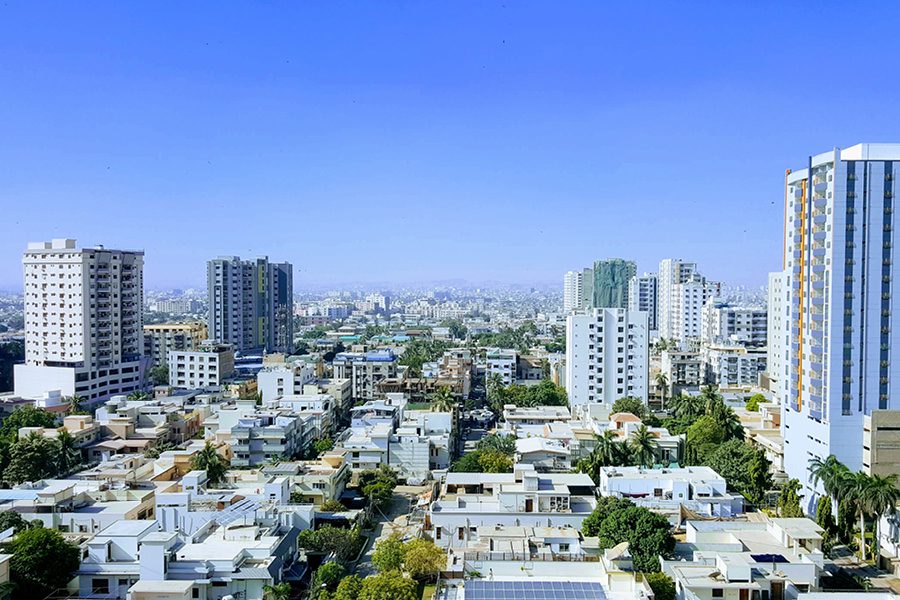
The State of Architecture in South Asia, a new multi-year project, will research, document, and create conversations around architecture in South Asia and the emergent frameworks and models of practice. This multi-year project will utilize podcasts, lecture series, exhibits and conferences to ask some fundamental questions.
Oct 4, 2022 | Announcements, Community, Faculty, News, South Asia in the News
The State of Architecture in South Asia, a new multi-year project, will research, document, and create conversations around architecture in South Asia and the emergent frameworks and models of practice. This multi-year project will utilize podcasts, lecture series, exhibits and conferences to ask some fundamental questions.
Sep 27, 2022 | Announcements, Faculty, In Region, India, News, Pakistan, Partition, South Asia in the News

Join us for a series of in-country book talks in India, the United Arab Emirates, and Pakistan The 1947 Partition of British India remains the largest instance of forced migration in recorded human history. Seventy-five years later, the...
Sep 14, 2022 | Announcements, Associates, Community, Faculty, Fellows, In Region, News, Pakistan, South Asia in the News, Students
The torrential monsoon rains in Pakistan have eclipsed the label of a mere natural disaster; Pakistan is undergoing a humanitarian crisis. In the past two months, the heaviest rainfalls on record have killed over 1,300 people and have severely impacted 33 million others. The National Disaster Management Agency (NDMA) estimates that over half a million homes have been destroyed. Relief efforts are direly needed given the rapidly-worsening situation. Harvard College Pakistani Students Association is raising funds to provide victims with meals, shelter, sanitary products, and more. Please donate what you can so we can help give much-needed funds to those suffering in Pakistan and please share this far and wide so we can raise much-needed awareness for this perilous situation.
Aug 31, 2022 | Announcements, Community, Faculty, In Region, News, South Asia in the News

The start of the new academic year at Harvard coincides with a pivotal moment in history for South Asia: August 15 marked 75 years since the end of British rule on the subcontinent. To mark this momentous year, the Mittal Institute is launching a series of events celebrating and commemorating 75 years of “azadi” or “freedom,” and many of the Institute’s faculty and affiliates took a moment to reflect on this momentous occasion in several opeds and interviews.
Aug 24, 2022 | Announcements, Arts Program, Faculty, News
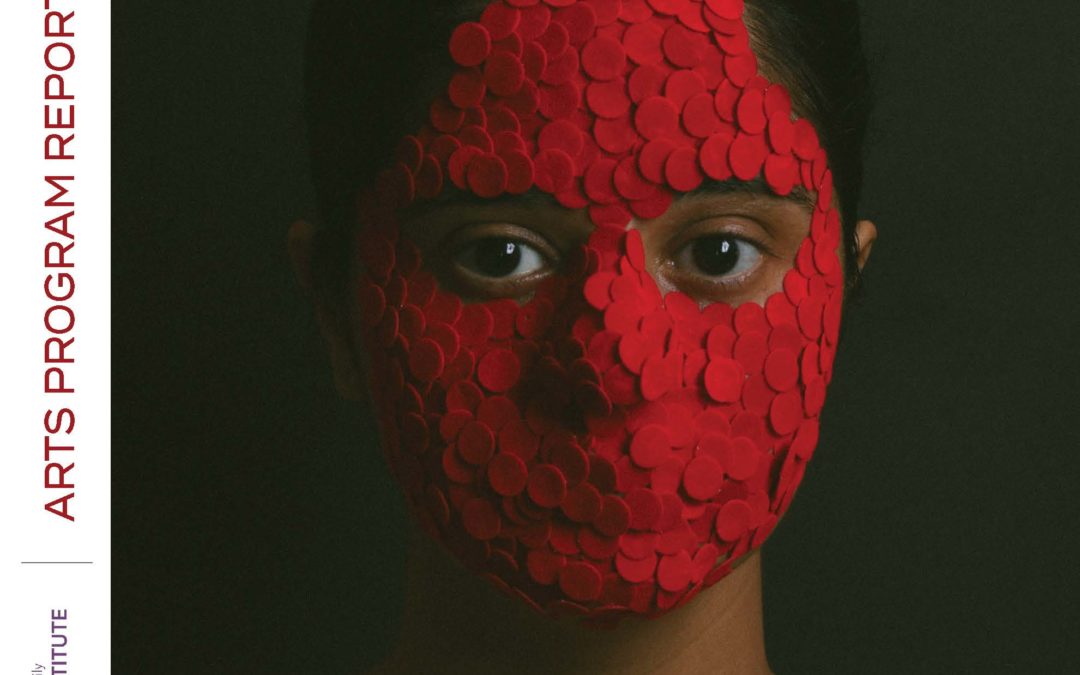
The Mittal Institute releases its 2021 – 2022 Arts Program Report.
May 26, 2022 | Announcements, Faculty, In Region, News
The Mittal Institute was one of just 10 teams selected for Harvard’s Climate Change Solutions Fund (CCSF) award for a new, interdisciplinary initiative focused on South Asia. The project, “Building Data Infrastructure to Understand Climate Change Migration,” will be led by Mittal Institute Faculty Director Tarun Khanna and aims to develop a transformative, open-access climate and population health data-monitoring ecosystem in South Asia. The 10 teams will share $1.3 million in funding to carry out the projects.
May 24, 2022 | Announcements, Faculty, In Region, News
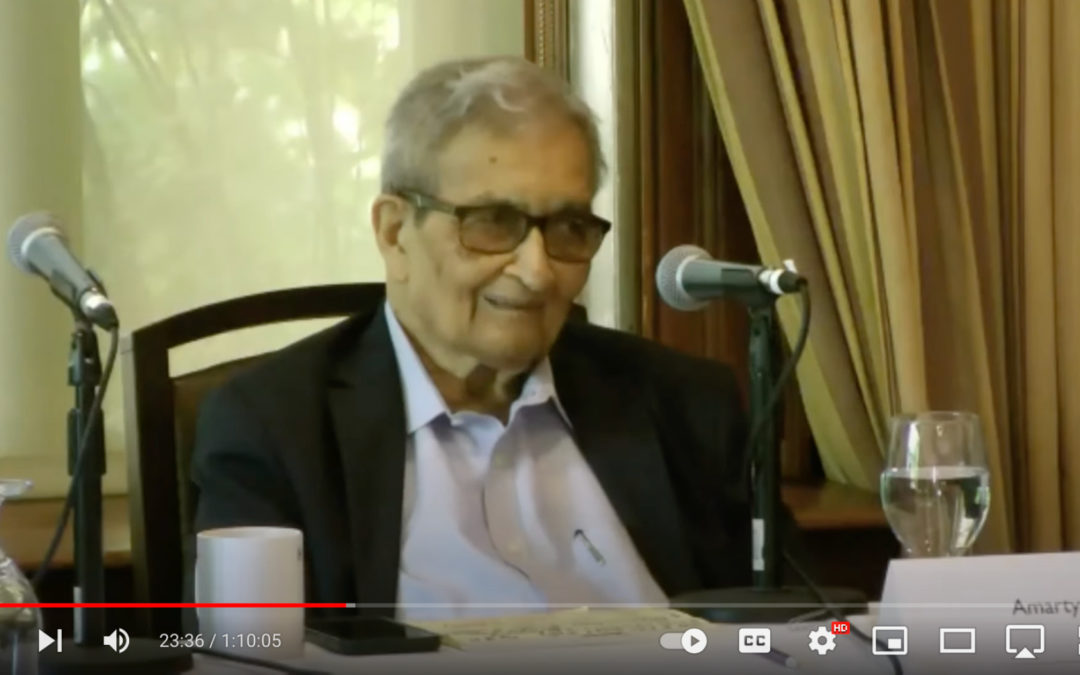
Amartya Sen is Thomas W. Lamont University Professor, and Professor of Economics and Philosophy at Harvard University. He received the Nobel Prize in Economics, among many other awards. With an introduction by Hitesh Hathi, Executive Director, Lakshmi Mittal and...
May 19, 2022 | Announcements, Faculty, News
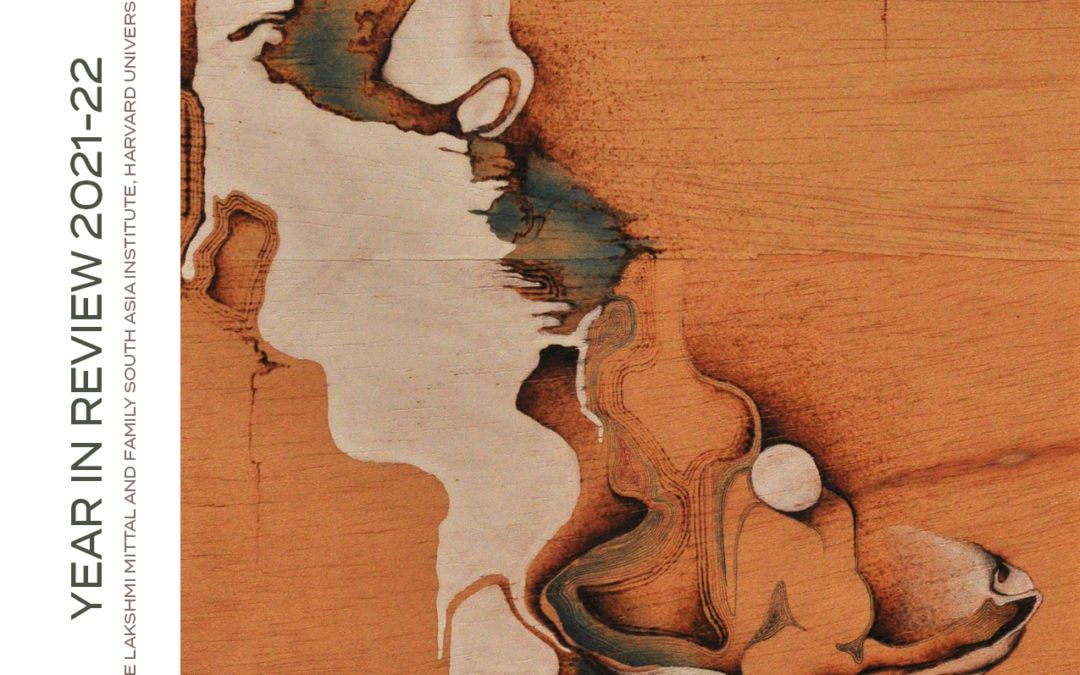
The Mittal Institute releases its 2021 – 2022 Annual Report with updates on faculty research projects, student funding, events and more.