Select Page

Category : News


Brewing Belonging: International Tea Brings Students Together at Harvard

Brewing Belonging: International Tea Brings Students Together at Harvard

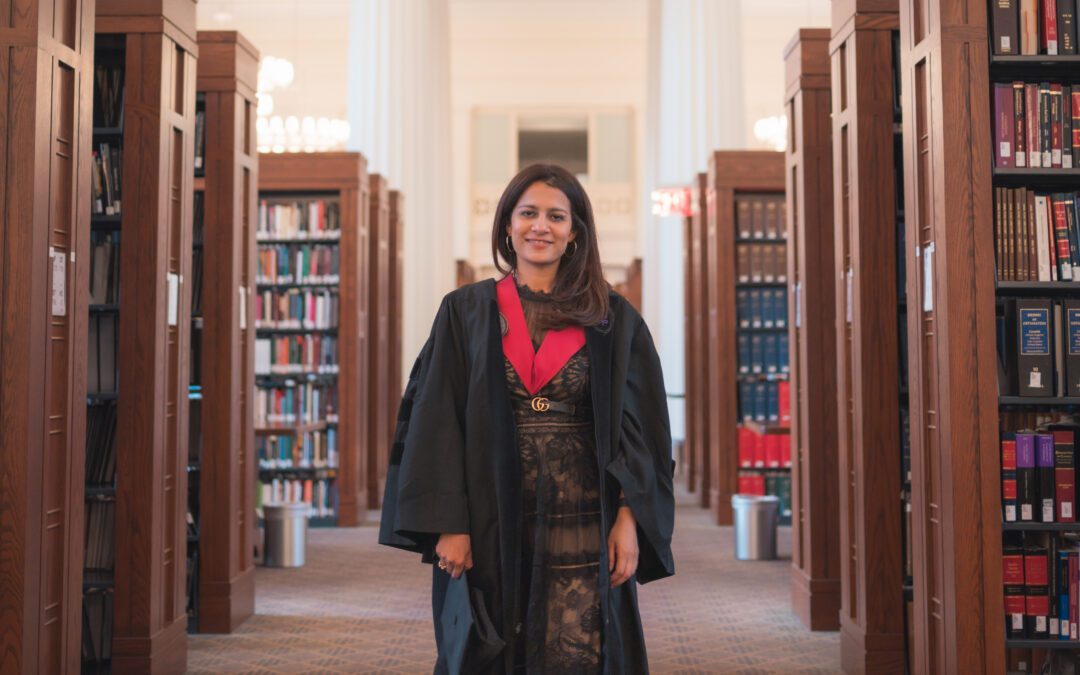
International students make up more than a quarter of Harvard’s community, and many arrive searching for a sense of belonging. To help create that connection, Thomas Elliott, Programs and Administrative Coordinator at the Mittal Institute, is launching “International Tea”—a new gathering designed to bring students together and foster community. The first tea will be held on October 22nd and is open to invited Graduate Students and Fellows from regional centers. We spoke with Thomas about how this initiative came to life and what he hopes it will offer.
Mittal Institute Fellow Rose Sebastian on Science Museums and Nation-Building in Post-Independence India

Mittal Institute Fellow Rose Sebastian on Science Museums and Nation-Building in Post-Independence India

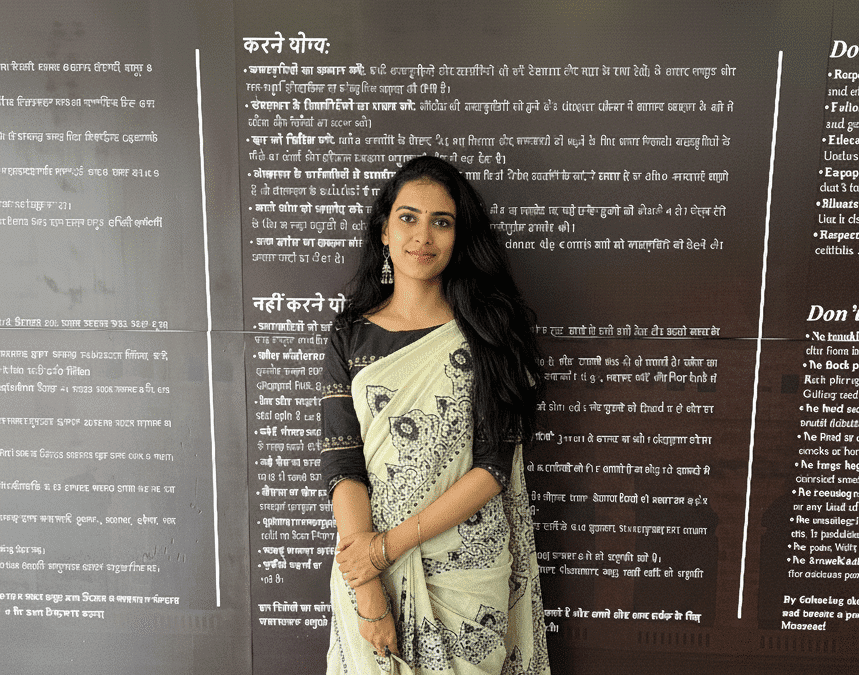
The Mittal Institute is delighted to welcome Rose Sebastian—a researcher with longtime interests in cultural studies, critical museum studies, and modern India—as the Mittal Institute’s Jamnalal Kaniram Bajaj Fellow. She is also a fellow with the Harvard Kennedy School’s Program on Science, Technology, and Society. Rose spoke with the Mittal Institute about her postdoctoral research project, where she is exploring science museums in post-independence India.

Dr. Eugene Richardson on Climate Vulnerability in Nepal

Dr. Eugene Richardson on Climate Vulnerability in Nepal

Nepal is acutely vulnerable to the impacts of climate change, grappling with rising temperatures and an increasing frequency of extreme weather events such as floods, droughts, and landslides. These environmental stresses pose significant threats not only to infrastructure and livelihoods, but also to cultural heritage, biodiversity, and long-term habitability. To better understand the human dimensions of this crisis, Professor Eugene Richardson, M.D., Ph.D., Assistant Professor of Global Health and Social Medicine at Harvard Medical School and Assistant Professor of Medicine at Brigham and Women’s Hospital, is leading a research project that examines how local communities in Nepal perceive climate risks. His project, “Climate Change, Loss and Damage, and Habitability in Nepal,” is one of the inaugural recipients of the Mittal Institute’s new Faculty Climate Grant program.

Informal Enterprises in India: Bridging Data, Policy, and Action for Inclusive Growth

Informal Enterprises in India: Bridging Data, Policy, and Action for Inclusive Growth

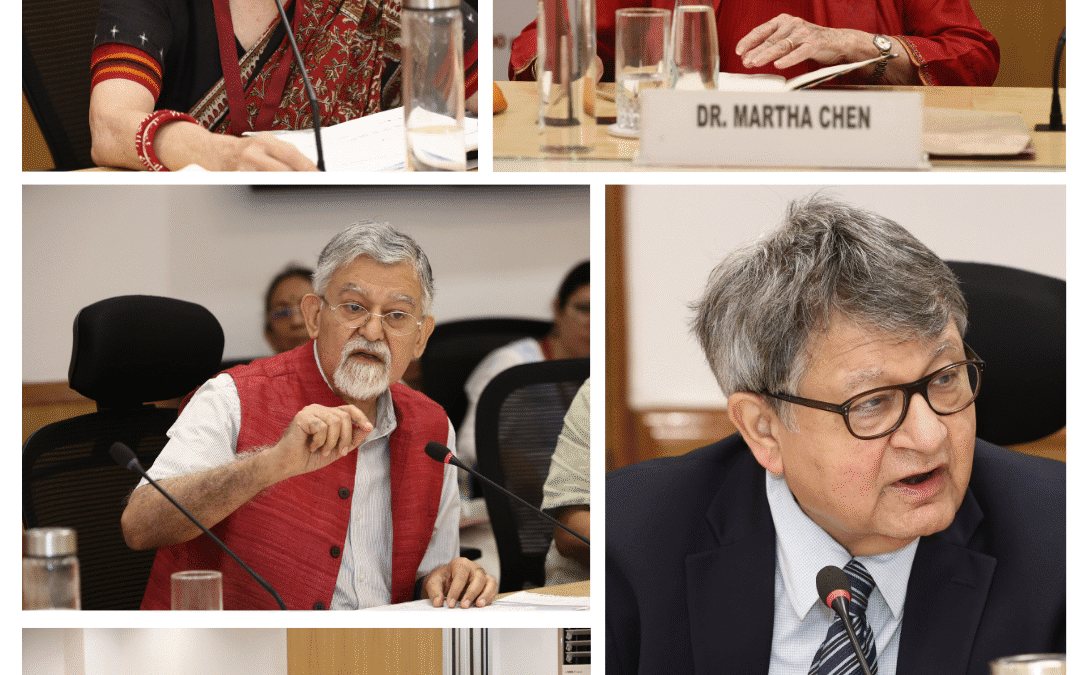
To better understand the significance, characteristics and performance of informal enterprises, particularly those operated by women, a project entitled “Enterprises in India” was launched with support from a Mittal Institute Faculty Research grant. The project is by Martha (Marty) Chen, Associate of the Mittal South Asia Institute at Harvard University and former professor at Harvard Kennedy School and the Harvard Graduate School of Design, and Renana Jhabvala, President of SEWA Bharat, who have worked together for over 40 years – bridging activism, statistics, research and policy – to support livelihoods and enterprises in the informal economy, both in India and around the world.

Prof. Jinah Kim Collaborates on New MFA Exhibit focused on Red, Yellow and Gold in South Asian Paintings 

Prof. Jinah Kim Collaborates on New MFA Exhibit focused on Red, Yellow and Gold in South Asian Paintings 

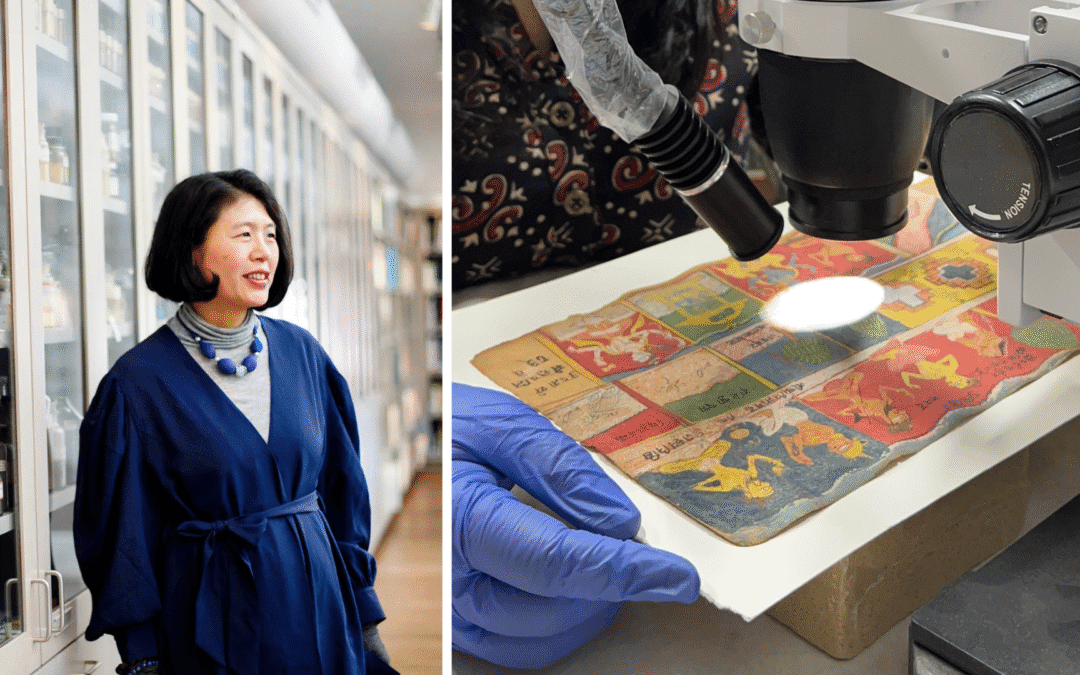
Jinah Kim, the George P. Bickford Professor of Indian and South Asian Art, Department of History of Art and Architecture, and Professor of South Asian Studies in the Department of South Asian Studies at Harvard, runs the Mapping Color in History (MCH) Project, a digital research platform that brings together the scientific data drawn from existing and ongoing material analyses of pigments, especially in Asian painting, to enable historical research.  She has been working with the MFA from the beginning of the project and shared more in this Q&A about the collaboration and the exhibit now on display. 

Harnessing AI for Climate Solutions: Meet Mittal Family Climate Fellow Sachin Kumar

Harnessing AI for Climate Solutions: Meet Mittal Family Climate Fellow Sachin Kumar

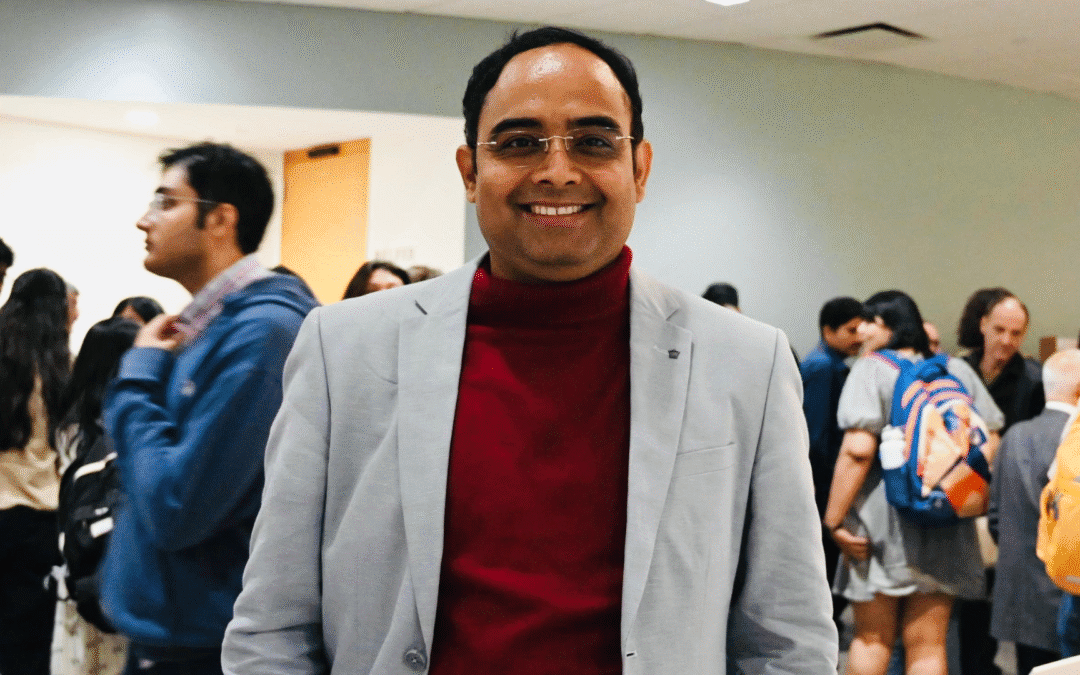
Sachin Kumar, the Mittal Family Climate Fellow, studies Artificial Intelligence, particularly the intersection of AI technology and societal impact. His research focuses on leveraging AI/ML to solve urban and societal challenges, specifically urban governance, climate change and sustainability. Currently serving as an Assistant Professor at the Cluster Innovation Centre, University of Delhi, he is also the Executive Officer of the University of Delhi Foundation. We spoke with Dr. Kumar about his research and what he hopes from his Mittal Institute fellowship.

Hitesh Vaidya, Visiting Artist Fellow, on Collective Memory in the Everyday

Hitesh Vaidya, Visiting Artist Fellow, on Collective Memory in the Everyday

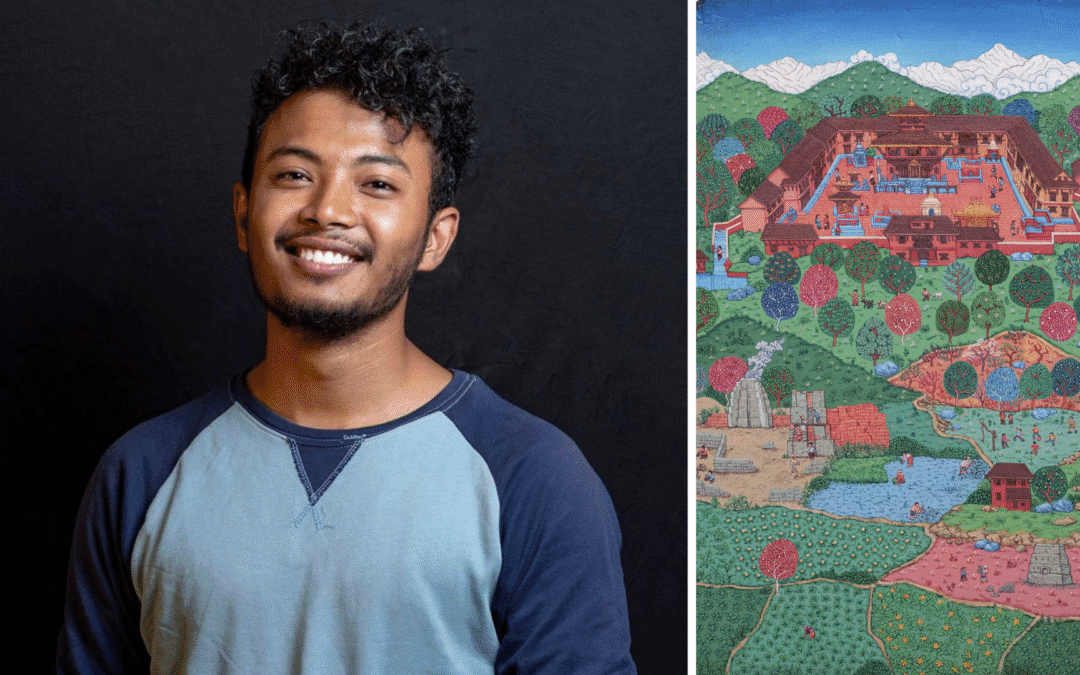
Hitesh Vaidya, the Mittal Institute’s newest Visiting Artist Fellow, is a visual artist and cultural practitioner based in Bhaktapur, Nepal. Vaidya’s practice explores how everyday objects, spaces, and rituals quietly shape collective memory, bridging traditional culture with contemporary life. Drawing on the lived histories of Bhaktapur, Kathmandu, and Patan, Vaidya interprets the city through its domestic rhythms, communal architectures, and interpersonal relationships. We spoke with him about his work and what he hopes to explore during his fellowship.

From Boston to Ahmedabad: Experts Share Strategies on Heat, Work, and Resilience

From Boston to Ahmedabad: Experts Share Strategies on Heat, Work, and Resilience

A multi-country session, titled ‘Protecting Workers in Heat Action Plans’ hosted by The Lakshmi Mittal and Family South Asia Institute at Harvard, The Harvard Center for African Studies’ Africa Office, and The Center for Labor and a Just Economy at Harvard Law School brought together experts from India, South Africa, and the United States to address the urgent intersections of labor, climate, and resilience. 

From Classroom to Culture: John Weaver ’26 Explores Sanskrit in Pune

From Classroom to Culture:  John Weaver ’26 Explores Sanskrit in Pune

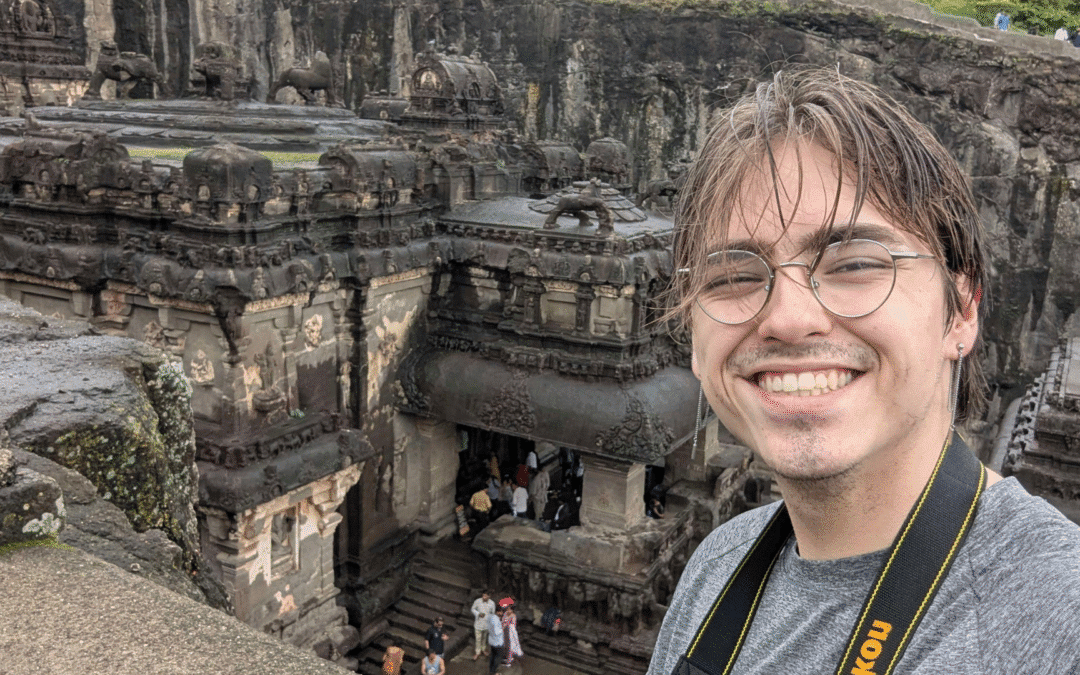
John Weaver ‘26, a triple concentrator in History of Art and Architecture, South Asian Studies, and English, spent his summer in Pune, India, at the American Institute of Indian Studies Summer Sanskrit Language Program. This 8-week program consisted of Sanskrit courses and occasional cultural immersion outings. John shared more about his summer with us in the interview below.

Women at the Frontlines of Climate Resilience: Lessons from Koshi Province, Nepal

Women at the Frontlines of Climate Resilience: Lessons from Koshi Province, Nepal

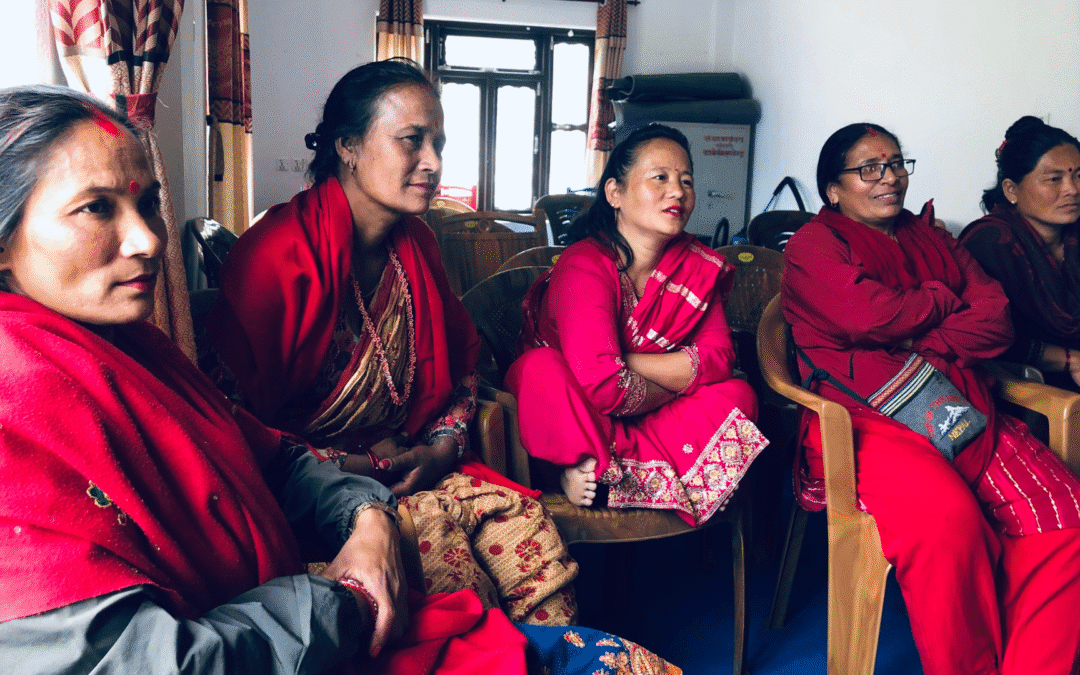
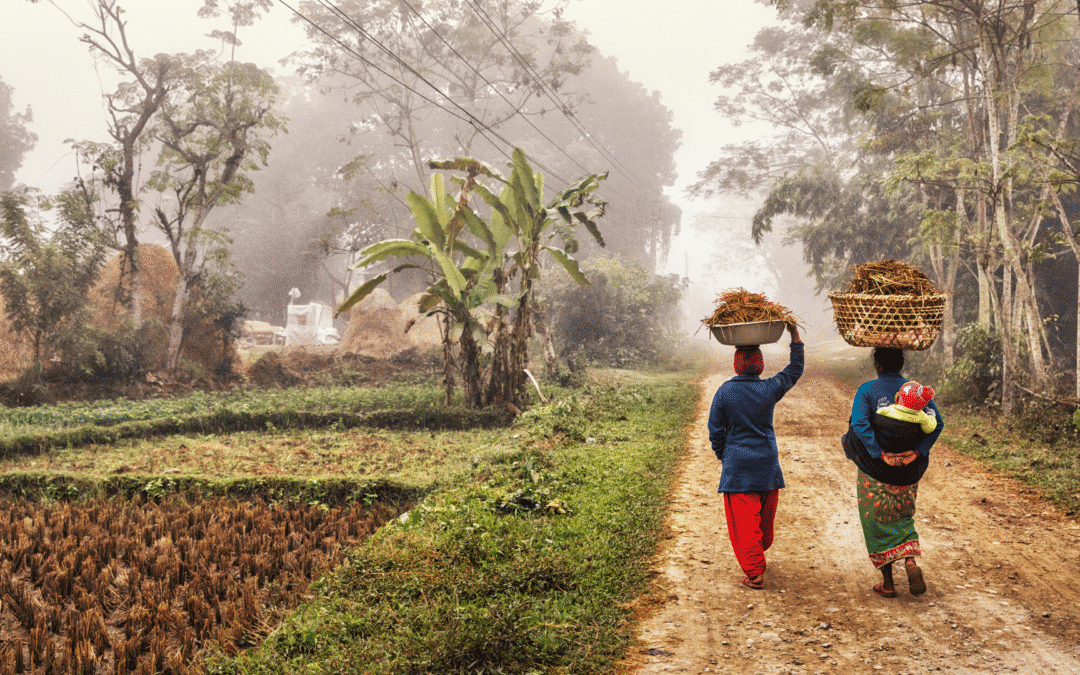
In Nepal’s Koshi Province, climate change is worsening floods, droughts, and other threats to smallholder farmers. A new research project, “Documenting Women’s Leadership in Climate Resilience Building in Koshi Province, Nepal,” funded through the Mittal Institute’s inaugural faculty climate research grant program, seeks to capture how women-led organizations are driving grassroots adaptation efforts. Led by Vincenzo Bollettino, Director, Program on Resilient Communities at the Harvard Humanitarian Initiative; Director, National NGO Program on Humanitarian Leadership and Patrick Vinck, Research Director, Harvard Humanitarian Initiative; Assistant Professor, Harvard Medical School and Harvard T.H. Chan School of Public Health, the study uses interviews and focus groups to examine how women’s networks build resilience, the barriers they face, and their influence on local decision-making.

Prof. Karthik Muralidharan: Charting India’s Path to Better Governance

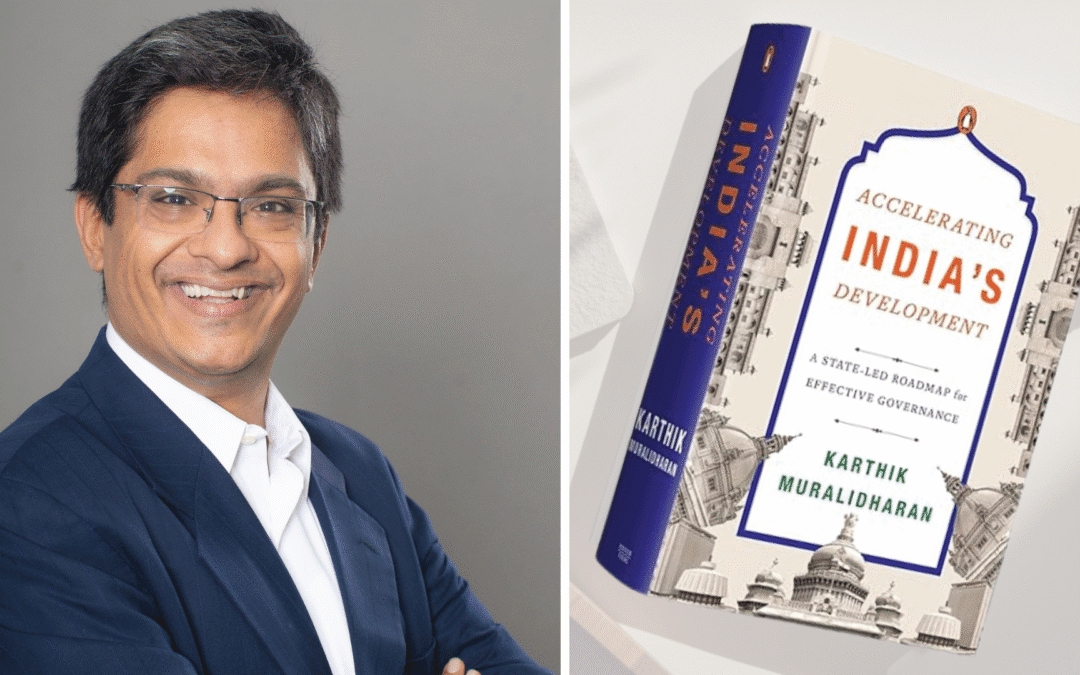
Prof. Karthik Muralidharan: Charting India’s Path to Better Governance

In Nepal’s Koshi Province, climate change is worsening floods, droughts, and other threats to smallholder farmers. A new research project, “Documenting Women’s Leadership in Climate Resilience Building in Koshi Province, Nepal,” funded through the Mittal Institute’s inaugural faculty climate research grant program, seeks to capture how women-led organizations are driving grassroots adaptation efforts. Led by Vincenzo Bollettino, Director, Program on Resilient Communities at the Harvard Humanitarian Initiative; Director, National NGO Program on Humanitarian Leadership and Patrick Vinck, Research Director, Harvard Humanitarian Initiative; Assistant Professor, Harvard Medical School and Harvard T.H. Chan School of Public Health, the study uses interviews and focus groups to examine how women’s networks build resilience, the barriers they face, and their influence on local decision-making.