The Program for Scientifically-Inspired Leadership (PSIL) annually brings together Harvard undergraduates, local college students, and underprivileged high school students in India for a week-long residential learning program. The program was established in 2019 by Dominic Mao, Assistant Director of Undergraduate Studies in Harvard’s Department of Molecular and Cellular Biology, and is partially funded and administered by the Mittal Institute.
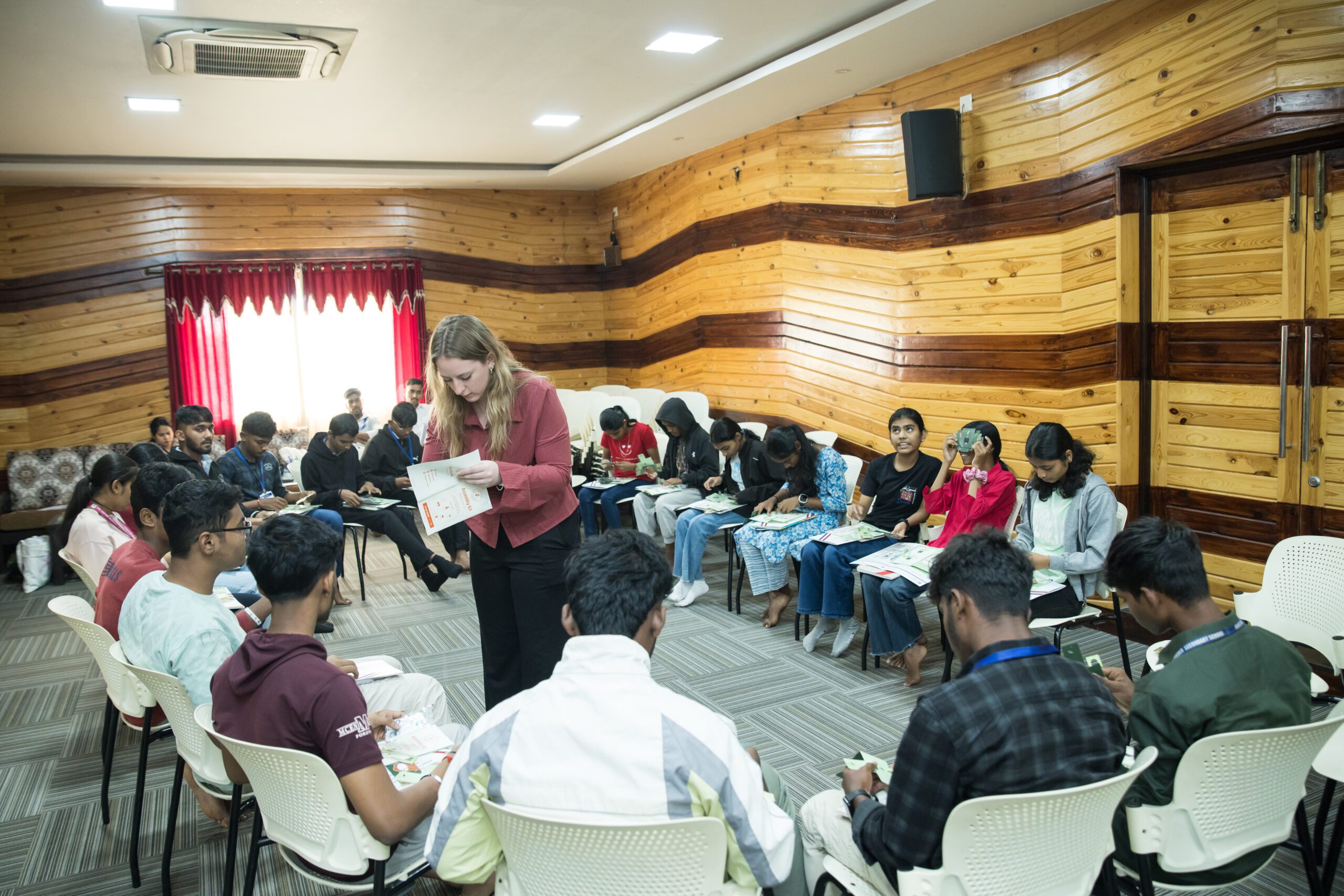
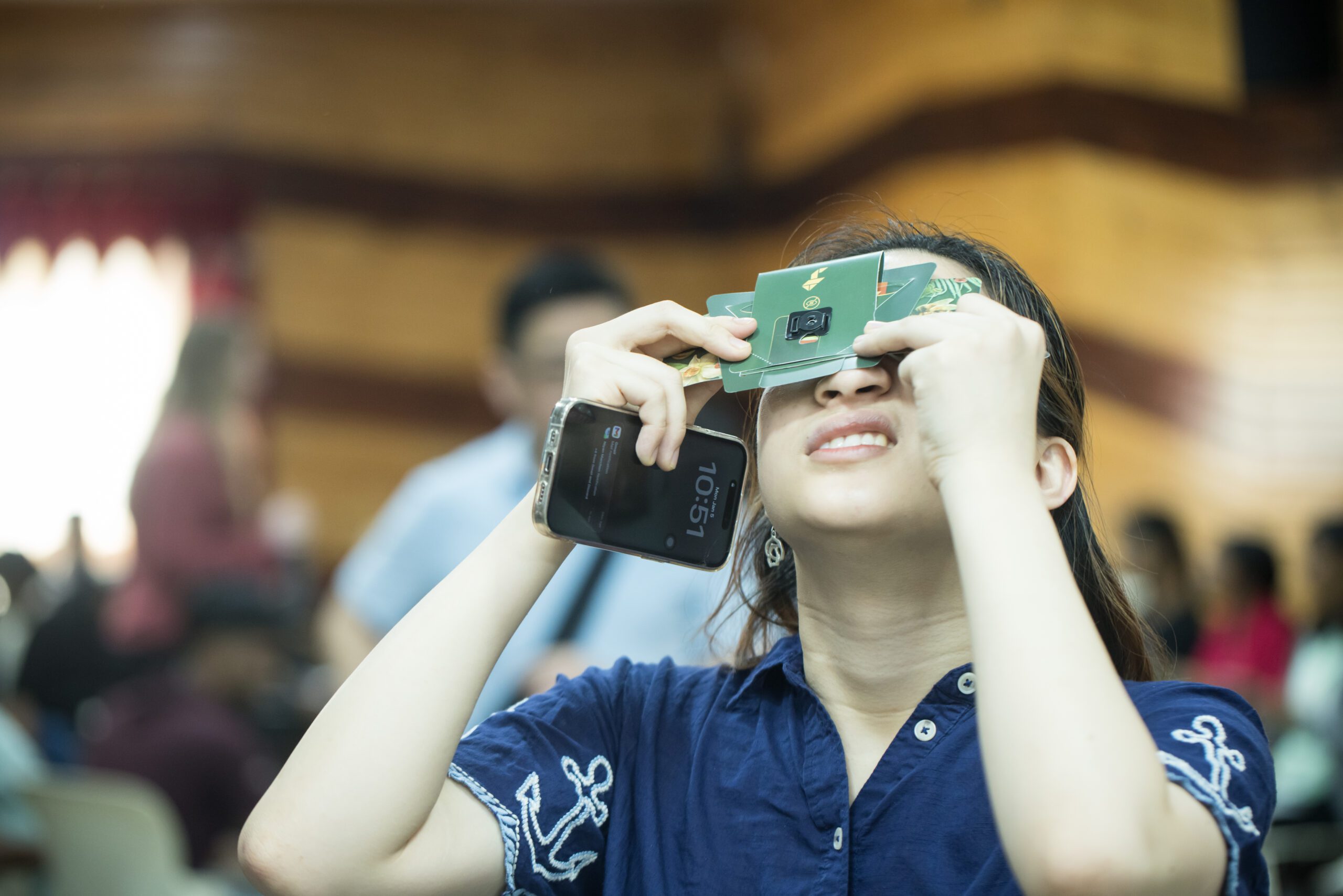
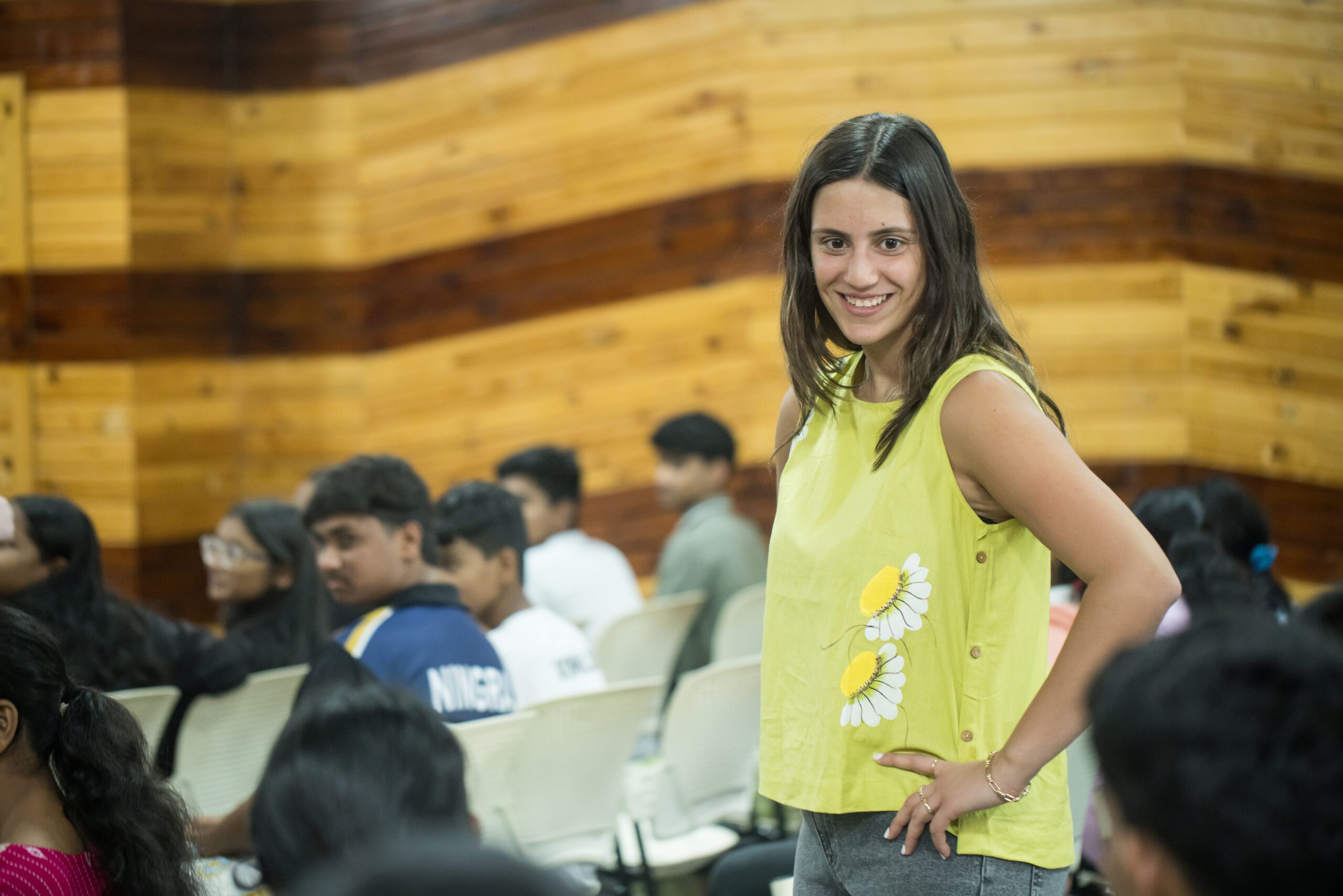
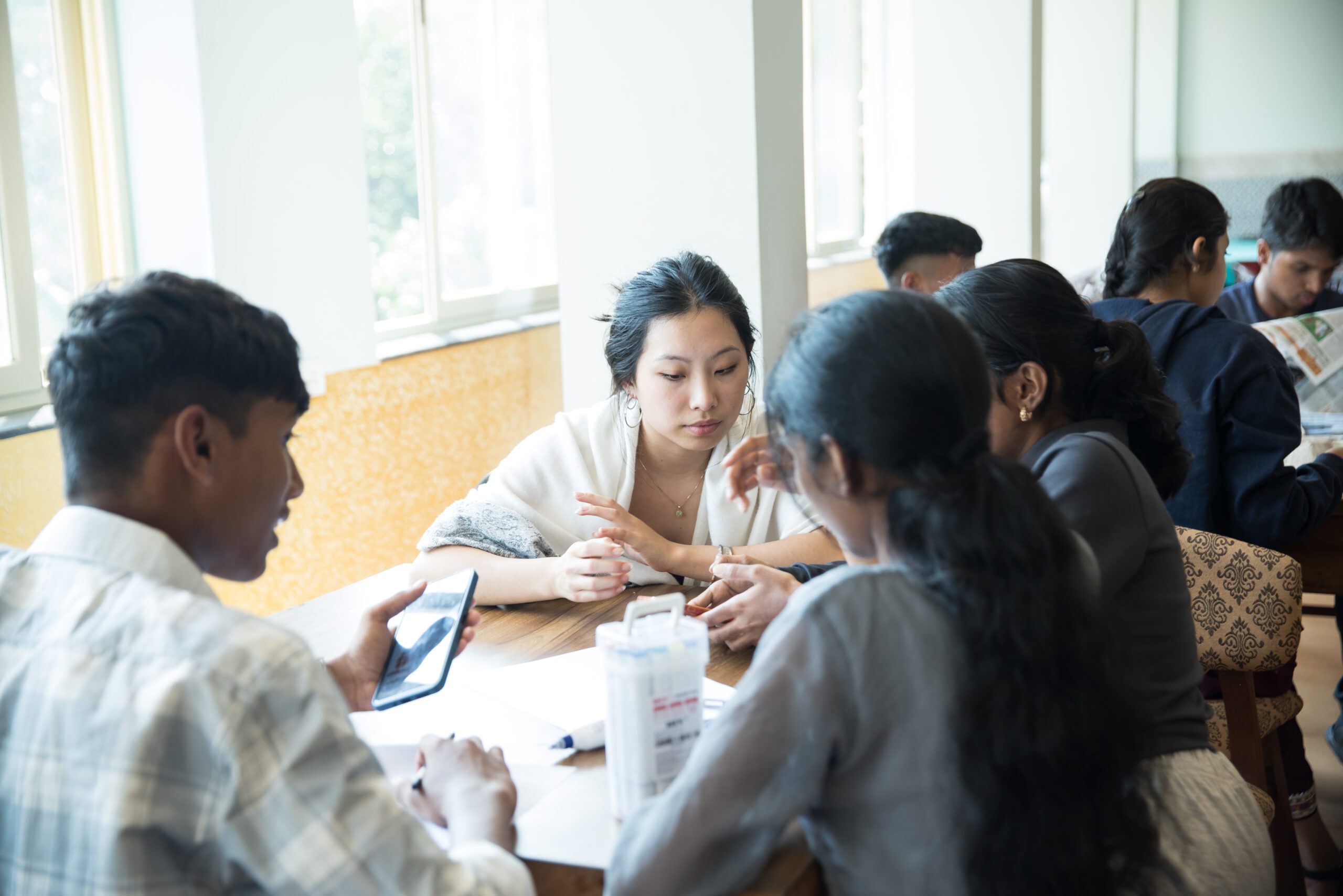
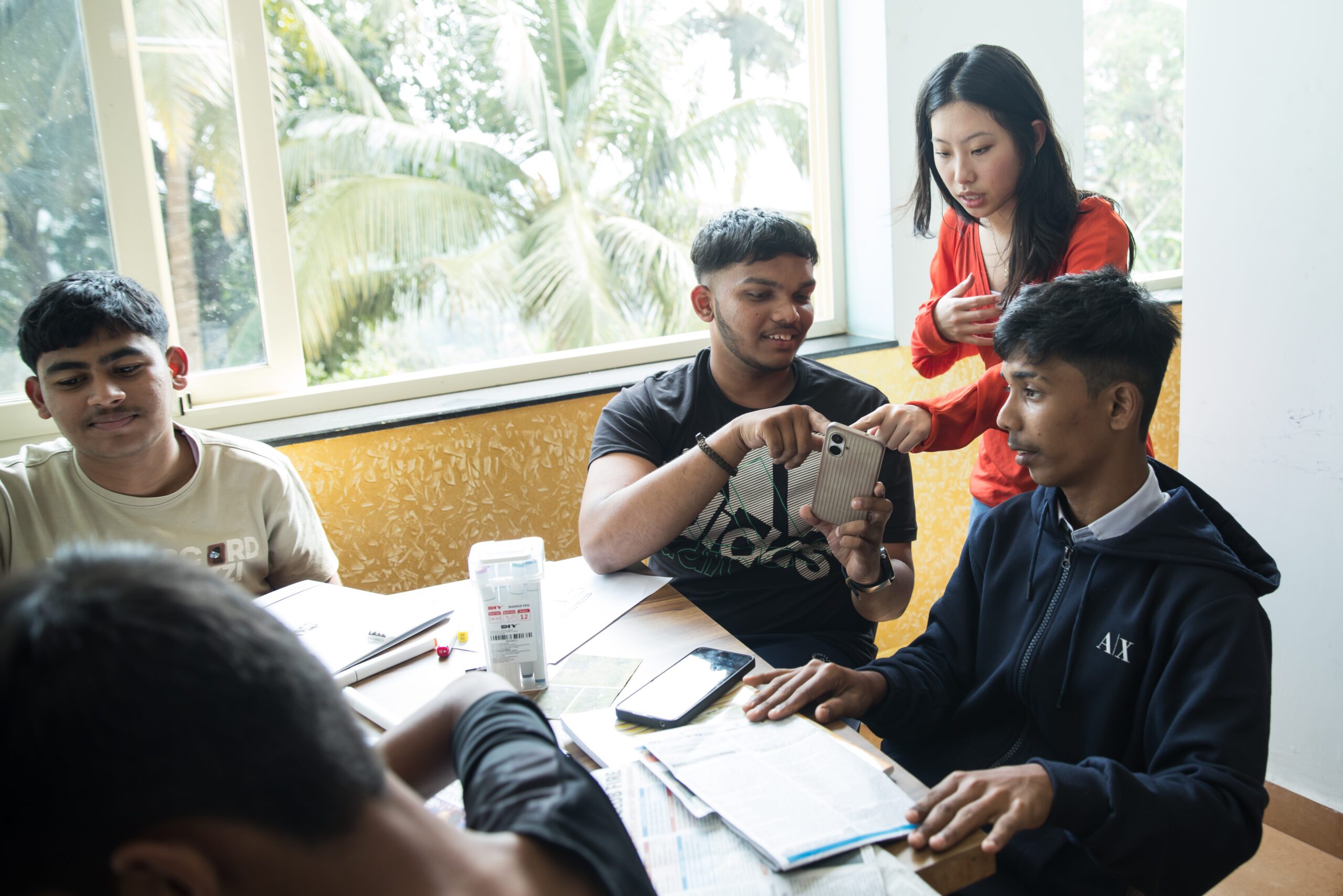
Every January, Dominic Mao and Andrea Wright, Assistant Dean of Harvard College, train and accompany a group of Harvard undergraduates to India. There, they collaborate with local college students to deliver a comprehensive liberal arts and sciences curriculum to high school students. This immersive camp provides intense, hands-on learning experiences, exposing high school participants to diverse academic disciplines, extracurricular activities, and meaningful cultural exchanges. By fostering interactions across these three groups, the program creates a vibrant environment for intellectual growth and cross-cultural understanding.
In past years, PSIL operated for two years in Manipur and two years in Telangana. This year marks the completion of its second year in Goa, following the program’s first expansion to Goa in 2025.
Held in January 2026, the second cohort of the Program for Scientifically-Inspired Leadership (PSIL) in Goa brought together five Harvard undergraduates and five college students from Goa to strengthen teaching practice while fostering leadership among local high school students. With its successful conclusion, the programme now enters a new phase, marked by growing institutional continuity and tangible on-ground impact.
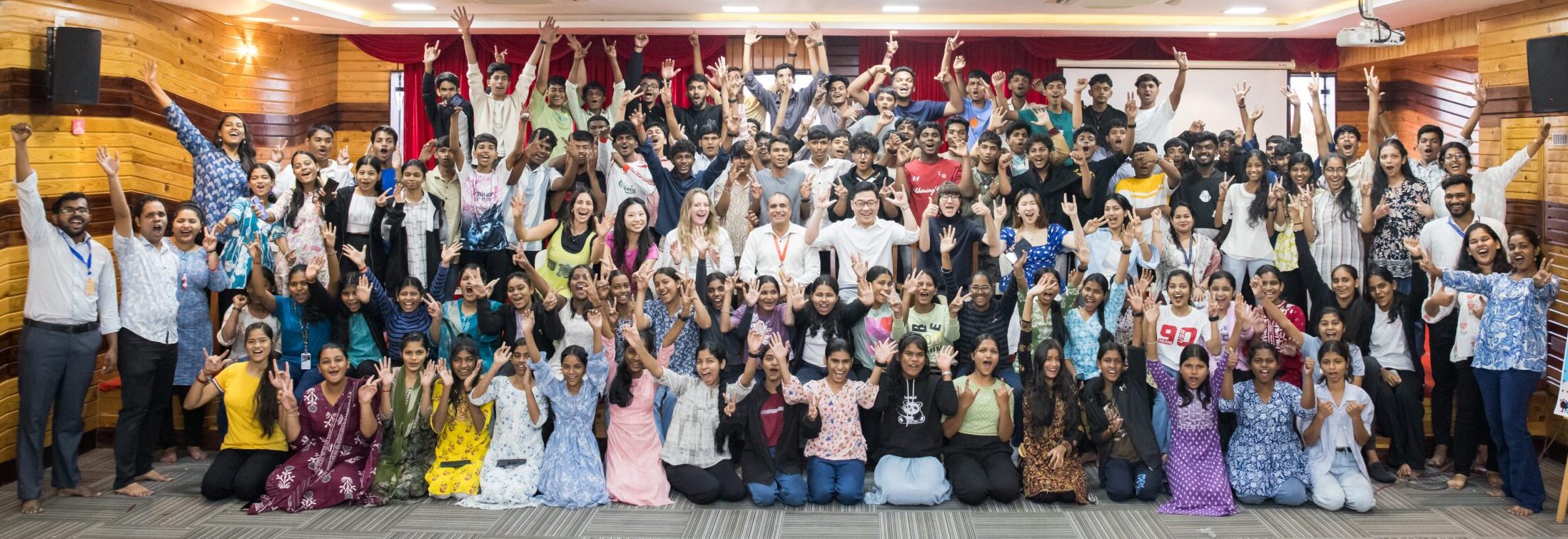
Program for Scientifically-Inspired Leadership (PSIL) cohort of 2026.
From Fellows to Faculty
This continuity is increasingly visible through people. Instructor Fellows from the 2025 cohort, B.Ed students who supported programme delivery, have since transitioned into teaching roles. Rejoining the cohort in January this year, many reflected on how PSIL shaped their professional journeys, strengthening both their confidence and commitment to education.
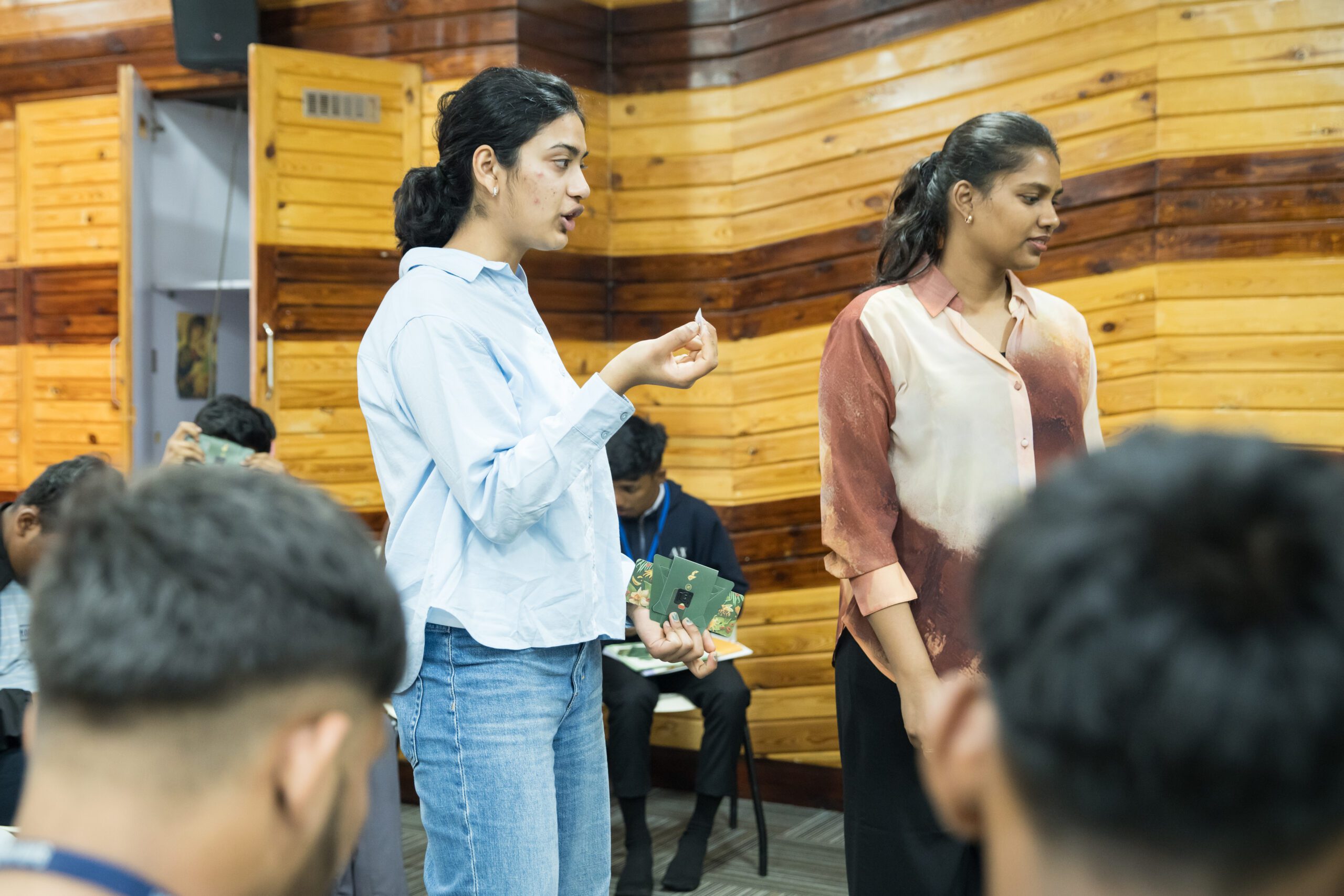
According to Kruti Chavan, Head Instructor Fellow PSIL ’25, the experience bridged the gap between theory and practice: “From planning sessions and team discussions to managing responsibilities and leading students, I experienced what leadership is in real. The most unique learning was teaching outside the classroom—and then seeing students confidently present their work. That moment felt deeply meaningful.” For several Fellows, this translated into a clearer sense of purpose and a renewed commitment to teaching.
Dr. Wright is encouraged by this feedback, which affirms that the program’s design is working as intended. “A core part of PSIL is inviting staff and students into leadership—sometimes in real roles, sometimes through structured role-play. It’s extraordinary to see how quickly people grow when they’re trusted with meaningful responsibility.” Dr. Mao agrees that this feedback underscores the power of experiential learning and empowerment. “High school students are challenged to think like senior stakeholders, developing solutions to real problems in their local communities. Instructor Fellows, meanwhile, are entrusted with responsibilities ranging from managing classroom supplies and outings budgets to reporting, planning, and implementation.”
A core part of PSIL is inviting staff and students into leadership—sometimes in real roles, sometimes through structured role-play. It’s extraordinary to see how quickly people grow when they’re trusted with meaningful responsibility.
182A6388
182A6345
182A6437
182A6984
182A7152
182A6657
Closing the Research-Practice Gap
Importantly, these approaches are not confined to the program itself. Government school teachers who participated in the two-day PSIL Pedagogy Workshop, run alongside the program by Drs. Wright and Mao, returned to share how they have adapted these methods in their own classrooms. One example is the “praise sandwich,” a simple feedback strategy that frames constructive input between positive reinforcement. Teachers reported that this approach has helped foster more open, participatory classroom environments, where students feel safe to engage, take risks, and express their views.
Looking Ahead
The project has secured approval for the 2027 cohort; the Goa state government sees this not as a one-off project, but as a long-term pillar of the educational landscape. Together, these reflections point to a broader shift: from a short-term intervention to a sustained ecosystem of learning, practice, and institutional collaboration.
In parallel, PSIL is in discussion with the Government of Johor, Malaysia, to introduce the program there in 2027. The Mittal Institute remains a proud supporter of PSIL as it expands its impact on students across nations.
Drs. Mao and Wright are delighted to have established a strong partnership with the Government of Goa and its outstanding Directorate of Higher Education team, and look forward to forging new collaborations.
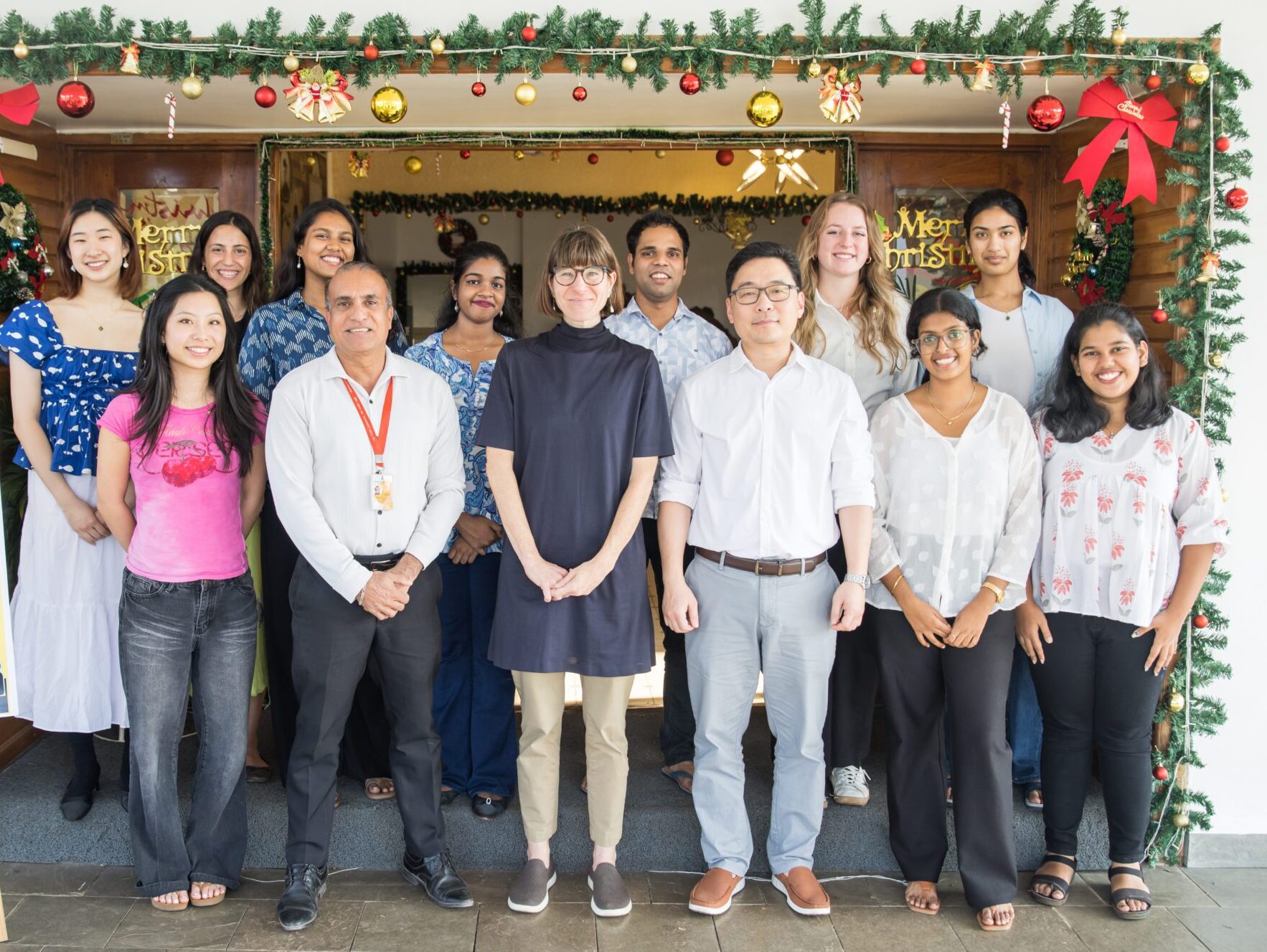
Goa and Harvard college students with Andrea Wright (front row – third from left), Assistant Dean of Harvard College, and Dominic Mao (front row – third from right), Assistant Director of Undergraduate Studies in Harvard’s Department of Molecular and Cellular Biology.
This year’s Harvard cohort included:
- Joy An ’27, Double concentration in Chemistry and Physics/Comparative Literature
- Brooke Decho ’26, SB Engineering Sciences
- Megha Khemka ’28, Social Studies
- Kat Ravichandran ’26, Joint concentration in Computer science/Philosophy
- Elizabeth (Liz) Zheng ’26, Applied Math
The Instructor Fellows from India included:
- Simon Agnelo Fernandes, a first-year B.Ed student at Nirmala Institute of Education
- Shaurya Shantaram Bandekar, a third-year B.A. B.Ed student at Vidya Prabodhini College of Commerce, Education, Computer and Management
- Maryann Gracious, a second-year B.A. B.Ed. student at Vidya Prabodhini College of Commerce, Education, Computer and Management
- Sarah Andrea Lobo, a first-year B.Ed student at Nirmala Institute of Education
- Nandini Naik, a fourth-year B.A. B.Ed. student at Vidya Prabodhini College of Commerce, Education, Computer and Management
Written by Angarika Datta, Communications and Outreach Manager.
☆ The views represented herein are those of the interview subjects and do not necessarily reflect the views of the Mittal Institute, its staff, or its steering committee.