
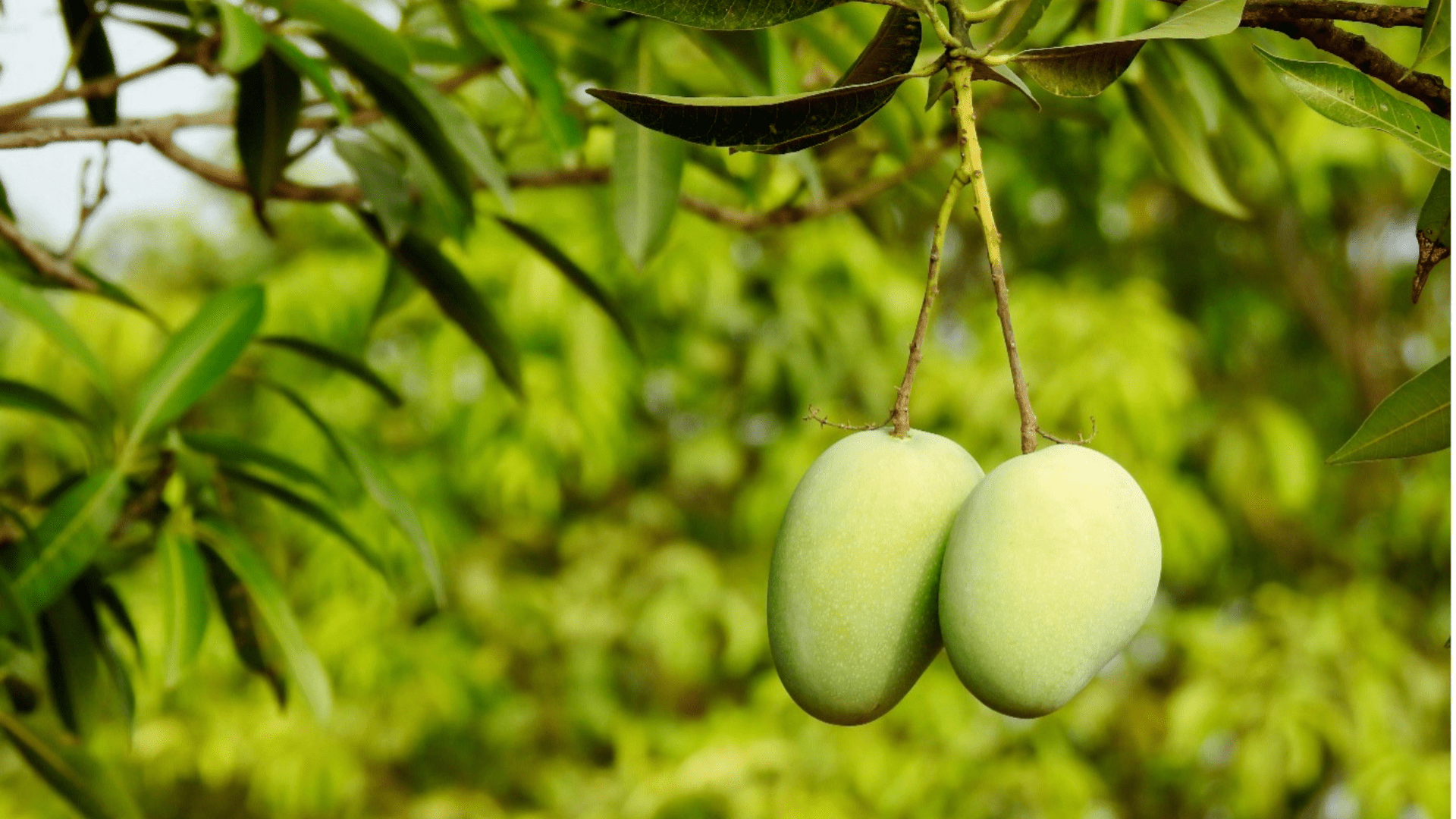
There was a time when the arrival of summer in India could be sensed long before the heat became oppressive. It arrived with the flowering of mango trees, the slow ripening of fruit, and the quiet assurance of a seasonal rhythm that rarely failed. Mangoes were more than a crop—they were a calendar.
Today, that rhythm is becoming harder to trust.
Erratic heatwaves, unseasonal rainfall, and shifting temperature patterns are disrupting mango cultivation across the country (1)(2)(3). Early flowering is followed by sudden spikes in heat, damaging fruit setting. Unexpected rains affect both yield and quality. What was once predictable is now uncertain, and farmers are left navigating a climate that no longer behaves as it used to. The mango, in many ways, has become a marker of a deeper disruption—one that extends far beyond orchards.
Source: Pexels.
At the heart of this disruption lies a critical challenge: while the impacts of climate change are increasingly visible, the ability to understand, anticipate, and respond to them depends on access to reliable, usable data.
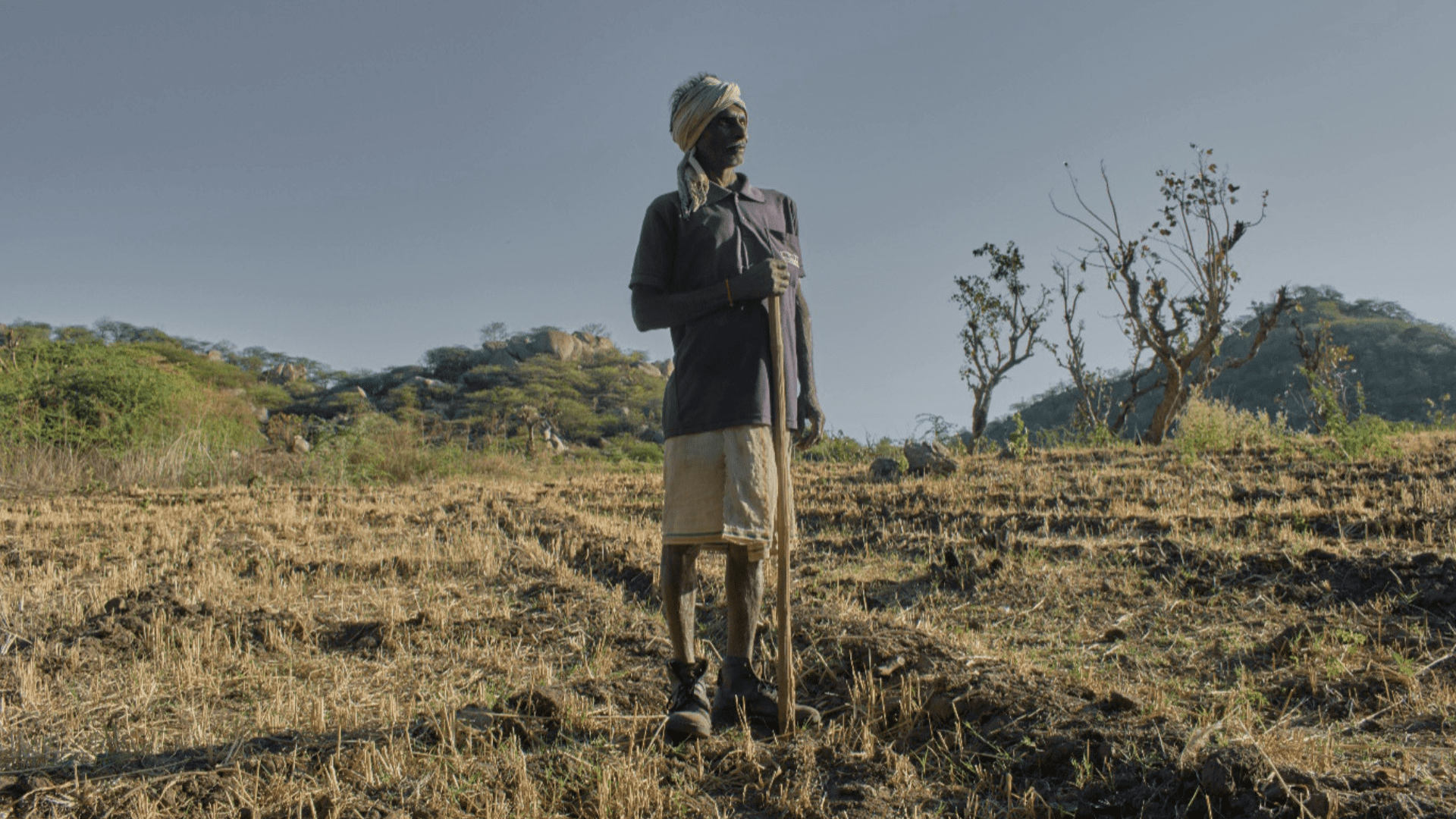
Climate data today exists in abundance—spread across government portals, research institutions, satellite systems, and global databases. But for many users, especially those working at the frontline of climate action, this data remains difficult to access and even harder to interpret. Fragmentation, technical complexity, and lack of contextual guidance often limit its practical use. As a result, decisions that could be informed by data—whether related to agriculture, disaster preparedness, or resource management—are frequently made with incomplete information.
Bridging this gap between data availability and usability is essential. Access to climate data is not just a technical issue; it is foundational to climate resilience. When local governments can identify patterns in rainfall variability, they can plan better water management systems. When practitioners can analyze temperature trends, they can design more climate-resilient agricultural interventions. When communities have access to localized risk information, they are better equipped to prepare for extreme events. In each case, data transforms uncertainty into informed decision-making.
Source: Pexels.
This is where Climateverse enters the picture.
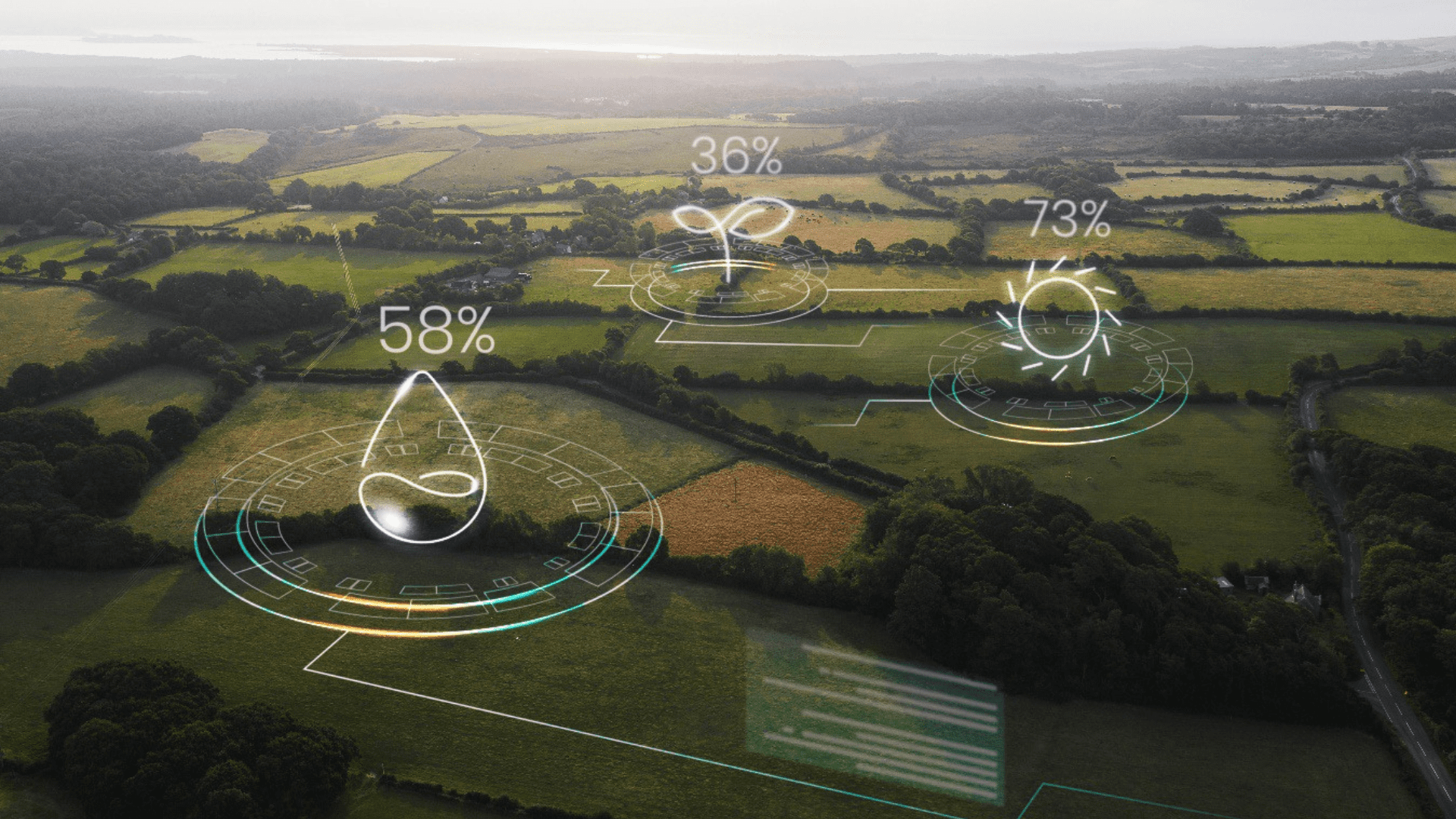
Climateverse has evolved from a research prototype into a live public platform, now hosting over 100 climate and disaster datasets. It is jointly supported by the Lakshmi Mittal and Family South Asia Institute and the Salata Institute for Climate and Sustainability at Harvard University, along with the Harvard Data Science Initiative.
A key advancement has been the deployment of an LLM-powered chatbot, enabling users to discover datasets, understand metadata, and conduct guided analysis using natural language.
Launched publicly in October with support from Agile Monkeys, the platform serves as a practical resource for accessing and applying climate data.
Over the past year, efforts have focused on improving usability and real-world performance through community-based validation exercises assessing chatbot response quality, particularly relevance and contextual accuracy. Climateverse has also been integrated into stakeholder-facing trainings and outreach to support dataset discovery, interpretation, and climate-risk analysis, strengthening its role as a decision-support tool.
A major milestone was the Mexico Climateverse simulation workshop, where participants from universities, emergency management institutions, nonprofits, and technology partners used real and simulated datasets in a hurricane scenario to inform preparedness, response, and recovery decisions, marking a step toward a regionally adapted platform. Climateverse was also presented at Delhi Climate Innovation Week 2026 (6).
Source: Magnific.
Next steps include interface improvements, stronger LLM evaluation, user resources, stakeholder adoption, and research papers on the platform and LLM reliability.
As Indian summers grow more unpredictable, the changes we observe—whether in mango orchards or monsoon patterns—underscore a deeper need: to understand climate not as an abstract concept, but as a lived and measurable reality. Platforms like Climateverse cannot restore the certainty of seasons past. But they can help us navigate the uncertainty ahead—armed with better data, clearer insights, and the ability to ask the right questions before it is too late.
Written by Yuvika, Climate Coordinator at the Mittal Institute India office.
☆ The views represented herein are those of the interview subjects and do not necessarily reflect the views of the Mittal Institute, its staff, or its steering committee.