
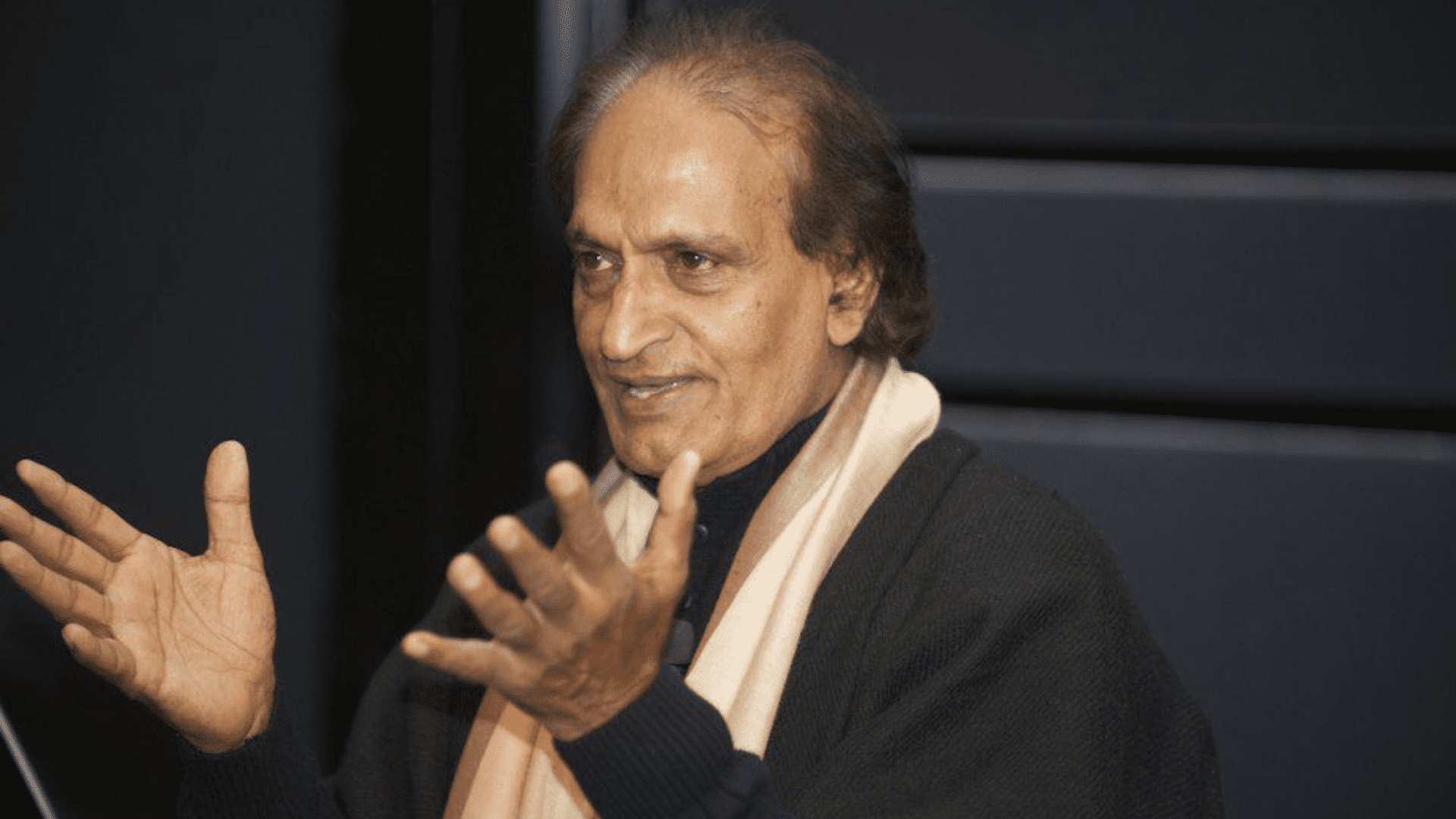
In Memory of Raghu Rai
1942 – 2026
Jab ‘darshan’ hua toh tasveer main bhi toh darshan hoga na?
The Mittal Institute community remembers acclaimed Indian photojournalist Raghu Rai, whose work captured the depth, complexity, and humanity of India for more than five decades. Widely regarded as one of the country’s most influential photographers, Rai brought global attention to everyday life across the subcontinent, transforming ordinary moments into powerful reflections.
In October 2013, Rai visited Harvard as the featured speaker for the annual Harish C. Mahindra lecture. Over two days, he engaged the campus community through a photo exhibition, gallery talk, and keynote lecture, offering a window into his artistic process and extraordinary career.
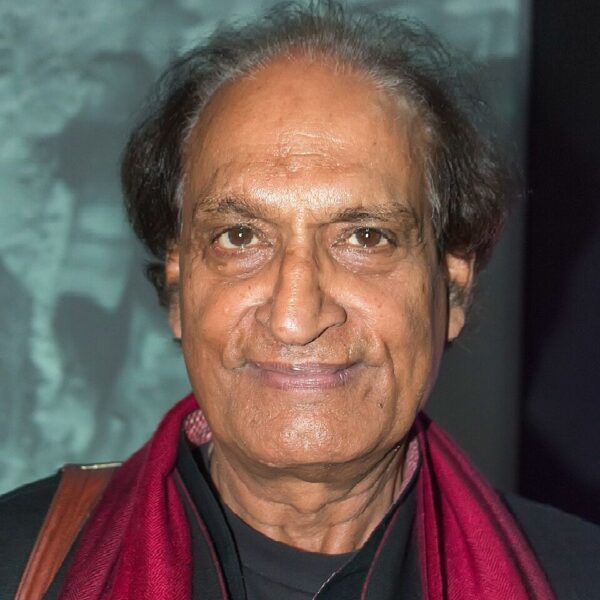
Raghu Rai, Acclaimed Indian Photojournalist
“A creative moment is an intuitive moment which comes as and when you are 100% present. So, it is all connected. When the connectivity is so complete, hum usko bolte hain ‘darshan’ (I call it the divine moment. Darshan, literally-seeing). Jab ‘darshan’ hua toh tasveer main bhi toh darshan hoga na? (When you have this divine moment then it will reflect in your photos).”
Raghu Rai at Harvard: Reflecting on an Extraordinary Career
In 2013, Raghu Rai was welcomed to Harvard as the Harish C. Mahindra lecture speaker, where he reflected on decades of documenting life across India. Introduced by Tarun Khanna, former director of the Mittal Institute, Rai was described as a “chronicler of India,” whose photographs offer a powerful look at the country’s social and political realities. Rai spoke about how he works, focusing on what he called the “moment of fulfillment,” a brief instant that gives a photograph its meaning. He described India as a “paradise for photographers,” shaped by constant change and history. Rai also reflected on key moments in his career, including his long relationship with Mother Teresa, whom he began photographing in 1970 and described as both compassionate and strong.
“When Raghu Rai spoke at Harvard, he reminded us that photography can be an attentive way of seeing the sacred in everyday life, across faiths, places, and people.”
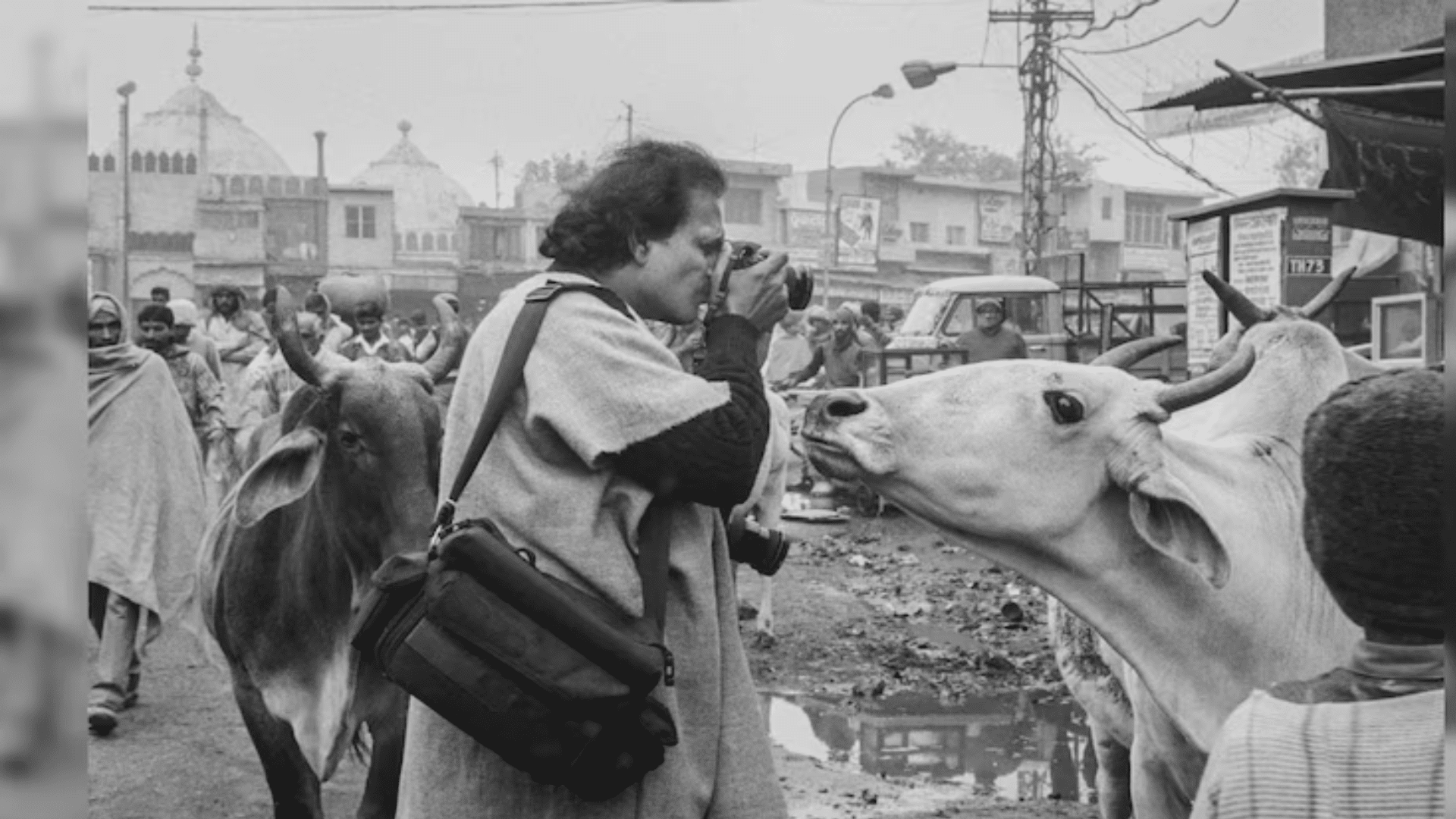
Raghu Rai: A Life Behind the Lens
Raghu Rai, born in present-day Pakistan, began his photography career in 1965 and quickly rose to prominence as chief photographer for The Statesman. In 1977, he was nominated to join Magnum Photos by Henri Cartier-Bresson, marking a major milestone in his career. Rai later played a key role at Sunday and India Today, producing influential photo essays on social, political, and cultural life in India. Over the decades, he published more than 18 books and earned numerous honors—including the ‘Padma Shri’, one of India’s highest civilian awards ever given to a photographer—while his work, from documenting the Bhopal disaster, to Mother Teresa, to everyday life across India, was exhibited and published worldwide.
“Raghu Rai’s deeply moving Harish C. Mahindra lecture marked a shift from the series’ traditional focus on politicians and senior bureaucrats, underscoring the belief that leadership and insight can emerge from all sectors of society.”
Through the Lens
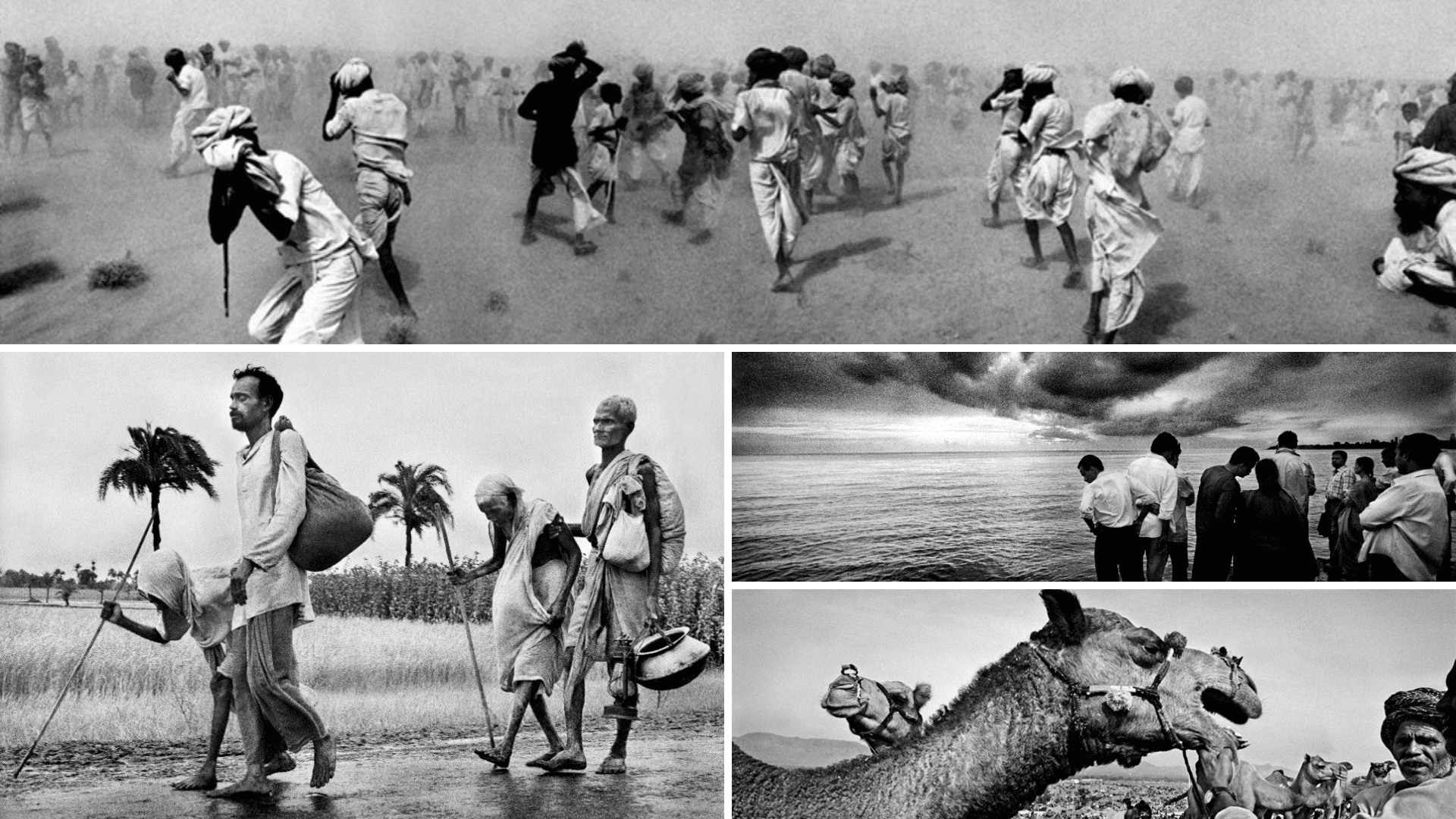
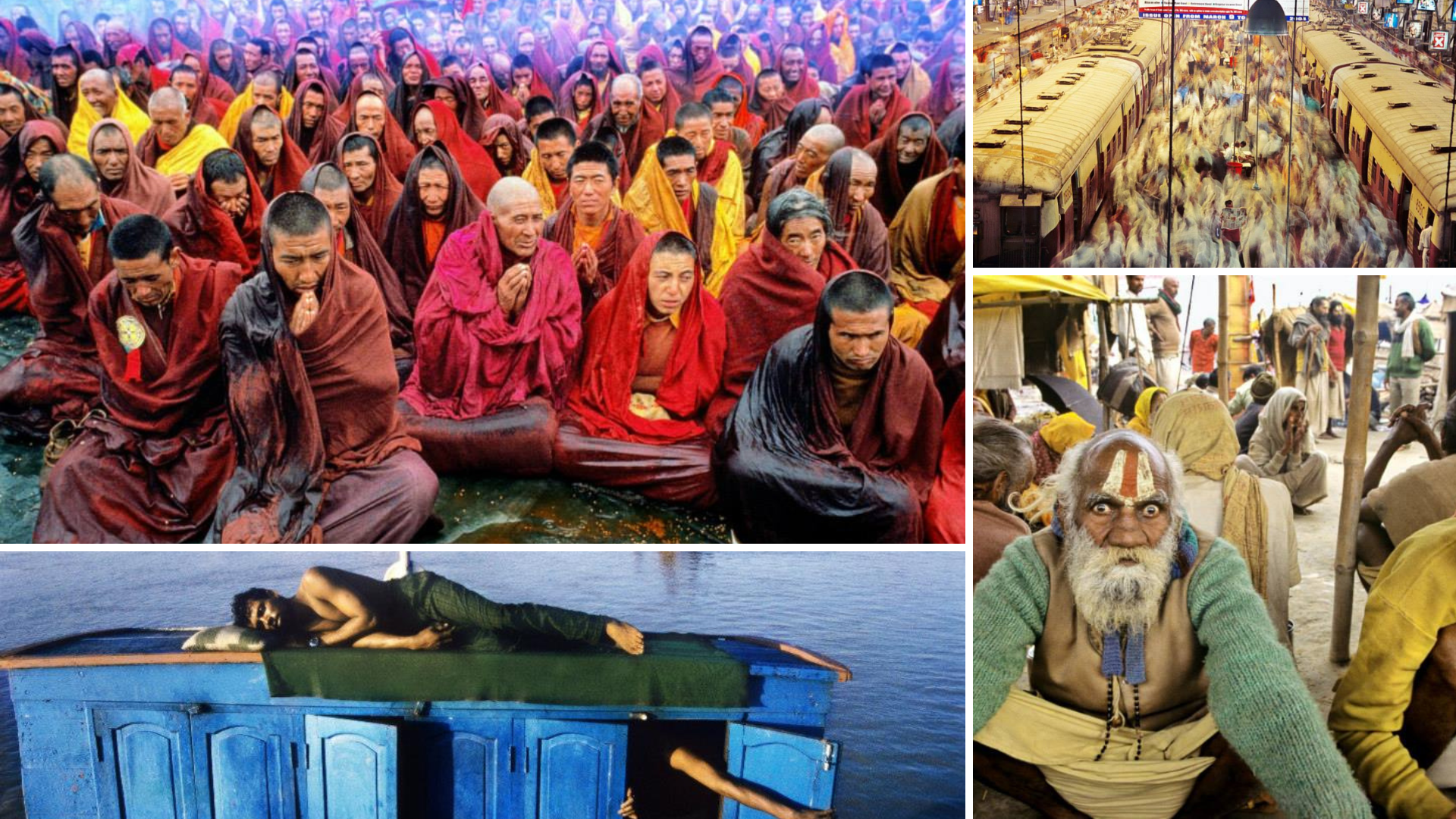
As part of his Harish C. Mahindra lecture, Raghu Rai invited the Mittal Institute to share a selection of his photographs on our Facebook page. His images of everyday life in India reveal deeper stories beneath the surface. His work brings into focus both the ordinary and the extraordinary, offering a powerful, human portrait of the country.
“What stayed with me most from Raghu Rai’s talk was how he described what drew him to photograph people, where he was able to capture the quiet power of expression that can say more than a thousand words. To this day, I’ve kept my favorite poster from that event, beautifully designed by GSD student Felipe Vera, framed in my home as a reminder of that moment.”
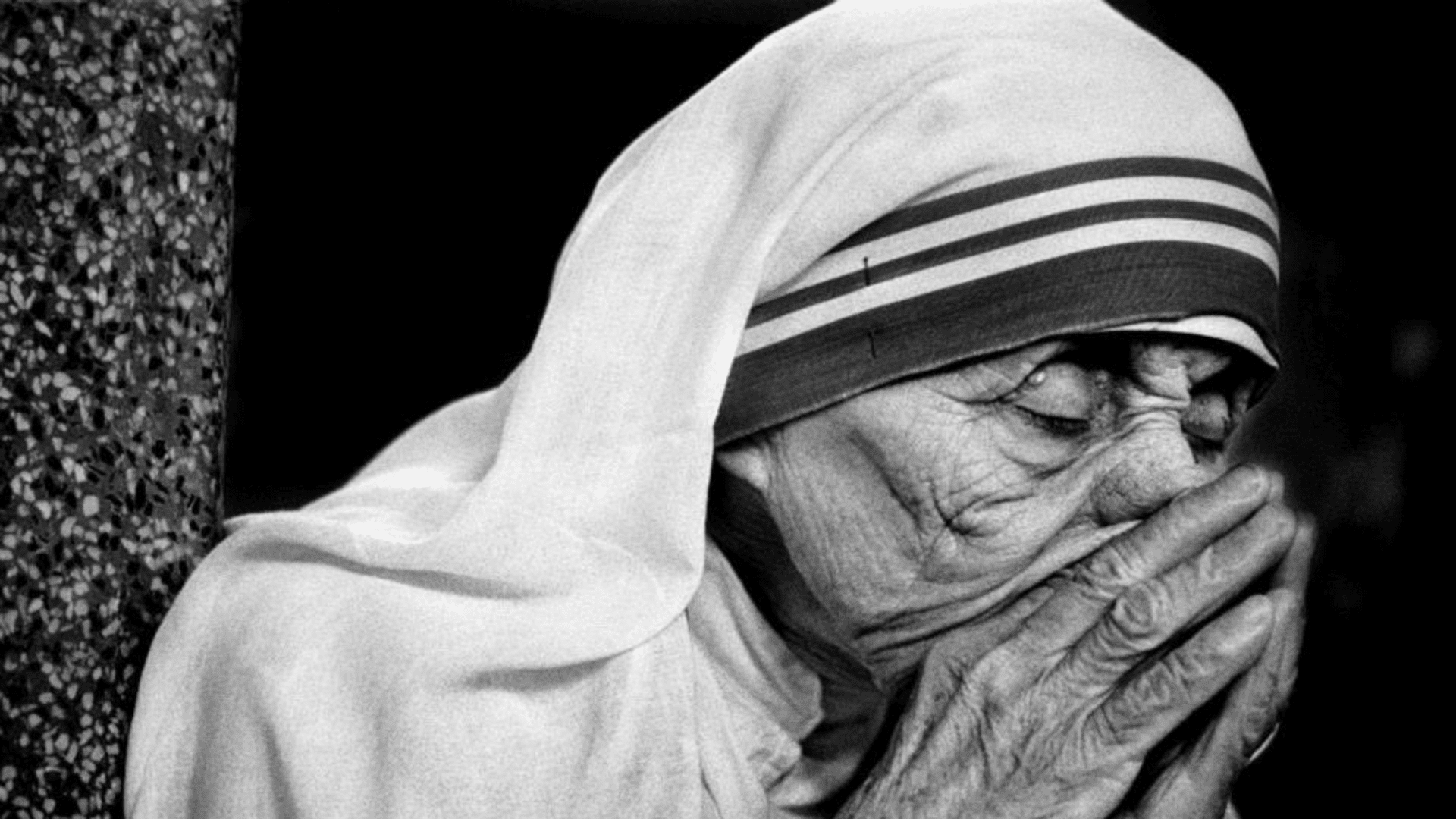
Mother in Prayer, Kolkata, 1995 | Raghu Rai, who photographed Mother Teresa for nearly five decades, has taken some of the most iconic pictures that exist.
“I am not amongst the educated who come and lecture to an audience like this, and definitely not into reading books. But, the day I picked up my camera, there has been only one book I started reading – and this book does not begin from anywhere, nor does it end at any point. It’s a continuous process of life and nature that keeps it going – SO THE BOOK OF LIFE IS NEVER ENDING, BUT EVER CHANGING. We may fill up the gaps with words when we miss a moment but the image is lost.”