As his fellowship at the Mittal Institute draws to a close, Jamnalal Kaniram Bajaj Fellow Thiyagaraj Gurunathan will share insights from his research into the history of cholera, caste, and Christianity in colonial South India in a talk on December 7. Drawing on archival discoveries made during his time at Harvard, Dr. Gurunathan will explore how Christian medical missionaries responded to cholera outbreaks in Tamil-speaking regions during the late nineteenth and early twentieth centuries, and how caste and social inequality shaped access to medical care.
Prior to his talk, which is moderated by Prof. David Shumway Jones (HSPH), Dr. Gurunathan shares more about his research findings and the new perspectives on Tamil history that have emerged from his fellowship.
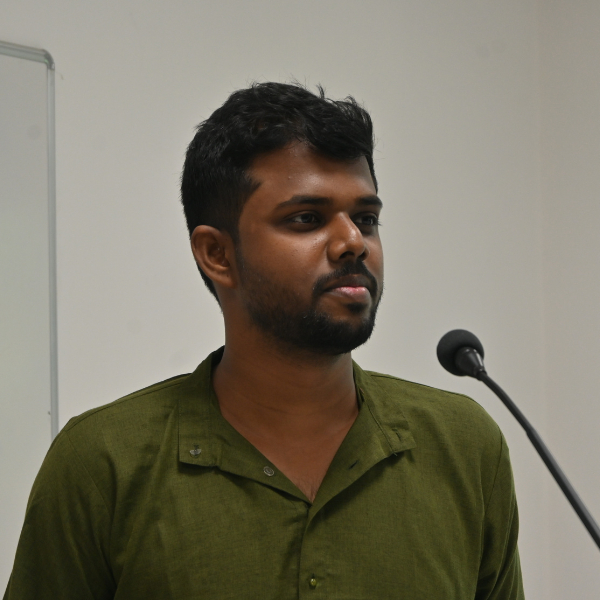
Thiyagaraj Gurunathan
My time at Harvard as a Bajaj Fellow at the Mittal Institute has been nothing short of illuminating in so many ways. From settling into Boston and finding my way around Harvard’s vast academic resources to discovering new archival material that has transformed my research, the fellowship has opened up exciting opportunities both personally and academically. The Institute’s welcoming environment and its blend of academic and cultural activities have made this an especially enriching experience.
As someone who has been working on the literary historiography of contagion and culture in colonial and postcolonial India for half a decade, my primary sources were predominantly saturated with Bengali and Hindi literature. Nevertheless, I have always longed to read literary tales and historical accounts of Tamils and their health experiences facing the contagion. South India, and Tamil Nadu in particular, was not exempt from the bouts of epidemic diseases that ravaged the subcontinent.
My (re)search for primary sources from the South met with success only after I had reached Harvard. While working on my research project, I was exposed to a whole world of missionary writings that flourished in colonial South India. The Christian literature offered a vivid portrayal of health and sickness in Tamil society. The American Board of Commissioners for Foreign Missions (ABCFM) collection at Harvard is a rich resource, as are the SOAS (the School of Oriental and African Studies) missionary archives, which I was fortunate to visit as part of my Charles-Wallace Short-term Research Grant just before arriving at Harvard.
The missionary archives were fundamentally different from the scientific and administrative reports of India Office Records. Stemming from the rural masses, the medical missions provided me with a new outlook on understanding the social and medical history of Tamil Nadu. My current working paper here, with the guidance of Prof. David Jones, on the triage of caste, cholera and Christianity is one of my first steps in this direction. I find great satisfaction in the joy of writing and contributing to the past of Tamil society and culture.
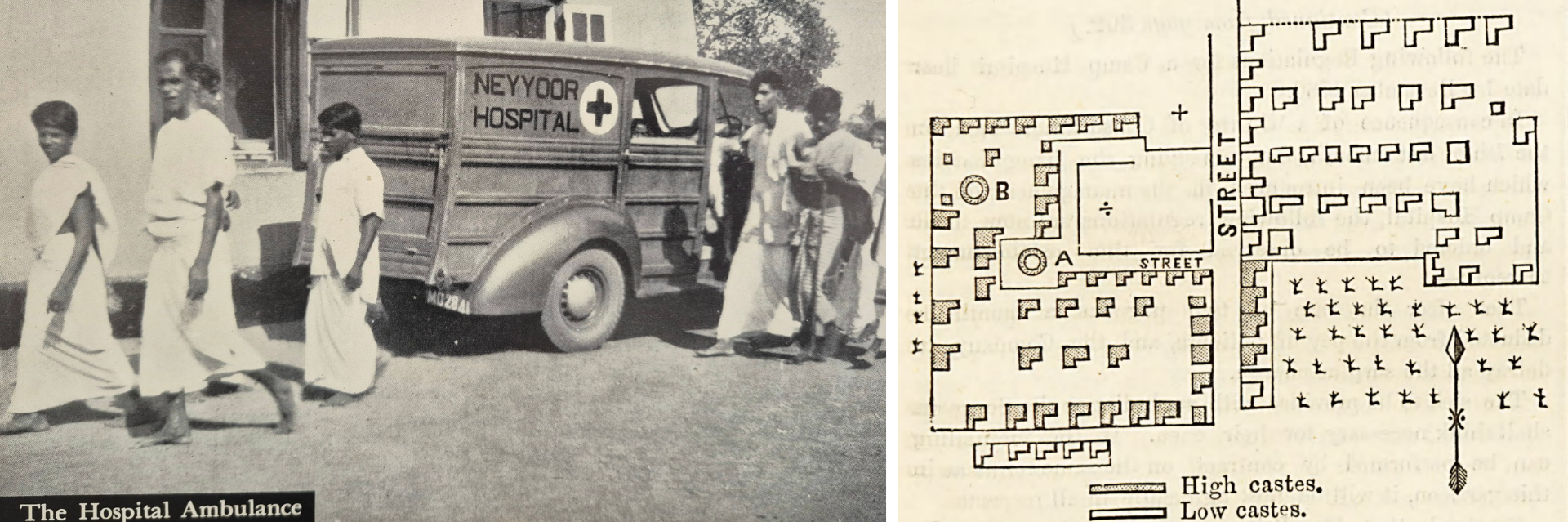
Fig. 1 and 2. Photo taken from Somervell’s book India Calling (1947) of Neyoor Mission Hospital in Travancore State; A snippet of a cholera well map drawn by French Jesuit Priest Rev. V. Delpech in Vadakencoulam in December 1877.
Over the last few months, I have also been glad to meet Tamil writers like Perumal Murugan and Jeyamohan, who have kindly shared their thoughts and resources with me, aligning with my interest in this topic.
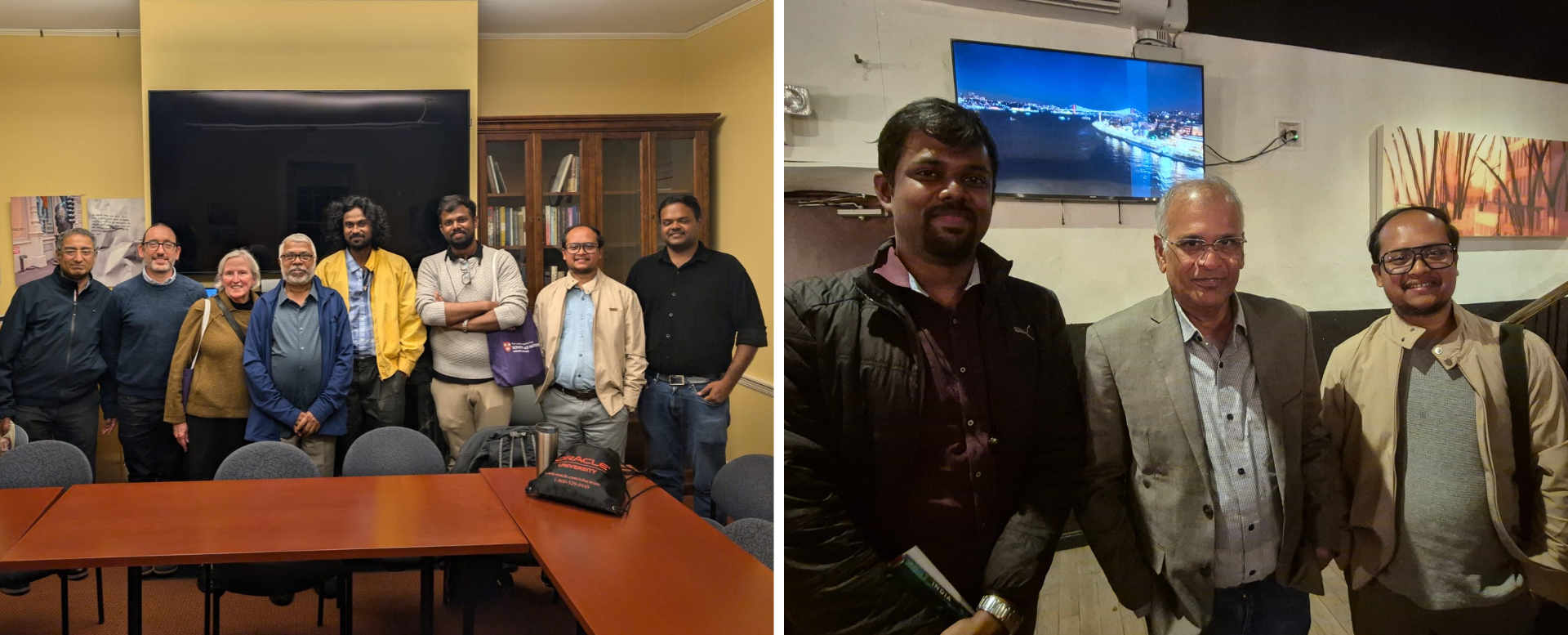
Fig. 3 and 4. Photographs taken with eminent author Perumal Murugan and Jeyamohan in the months of September and October 2026.
Apart from my working paper, one of my major goals for me in this fellowship was to work on my book project. The book I had in mind, Contagion and Community in India: Outbreak Narratives in Colonial and Postcolonial Literature, took on an altogether new dimension through the resources I found in Harvard libraries. The many out-of-print literature and rare book collections housed in Widener Library were a treasure hunt for me. This reassures me that my current book project will make a strong contribution to the field of health humanities and histories of medicine—and thanks are due to the many Harvard resources, support staff, funders, and especially my mentor, Prof. David Jones. It was a pleasure to have the chance to sit in his GENED 1116 classroom as a student and learn about medical ethics and history. I view these opportunities as meaningful takeaways for me as a future teacher of medical and health humanities in Indian classrooms and even beyond.
☆ The views represented herein are those of the interview subject and do not necessarily reflect the views of the Mittal Institute, its staff, or its steering committee.