
As climate change brings increasingly extreme weather to the Indian Himalayas, how are communities adapting to growing landslide risks? Dr. Aditya Anand, a 2025–26 Mittal Institute India Fellow (MIIF) and now Assistant Professor at the National Institute of Disaster Management (NIDM), is exploring how changing rainfall and temperature patterns are reshaping landslide risks in Uttarakhand. Ahead of his end-of-fellowship talk on December 4, he discusses his research findings, the challenges facing vulnerable communities, and how his work can help strengthen climate adaptation and disaster preparedness in the region.
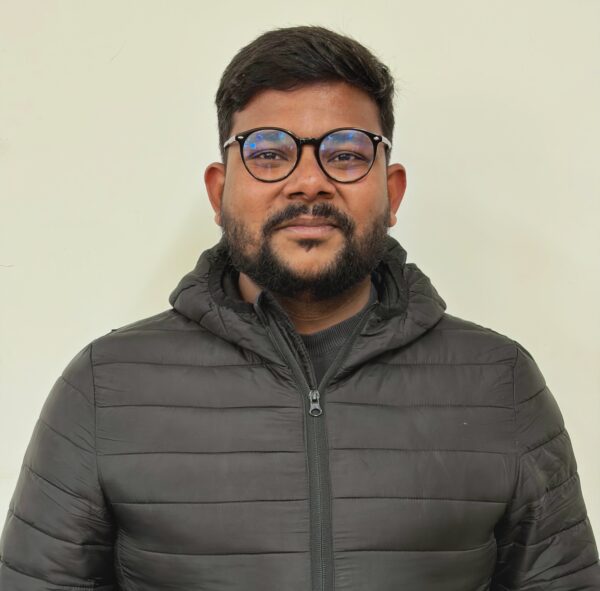
Dr. Aditya Anand
Mittal Institute: Could you tell us a little about your research and what motivated you to explore the intersection of climate change, landslide risk and community vulnerability in the Indian Himalayas? What makes this particularly important in the current climate?
Aditya Anand: My research examines how a warming climate is changing rainfall and temperature extremes in the Garhwal Himalaya, and what this means for landslides and the communities exposed to them. Tehri Garhwal combines steep slopes, fragile geology, hill roads and one of India’s largest hydropower reservoirs, so a single intense monsoon storm can cut off villages for days. Disasters such as Kedarnath in 2013 show how costly these events have become. Yet most climate projections are too coarse for district-level planning. Closing that gap, so that local decisions rest on local evidence, motivated this work.
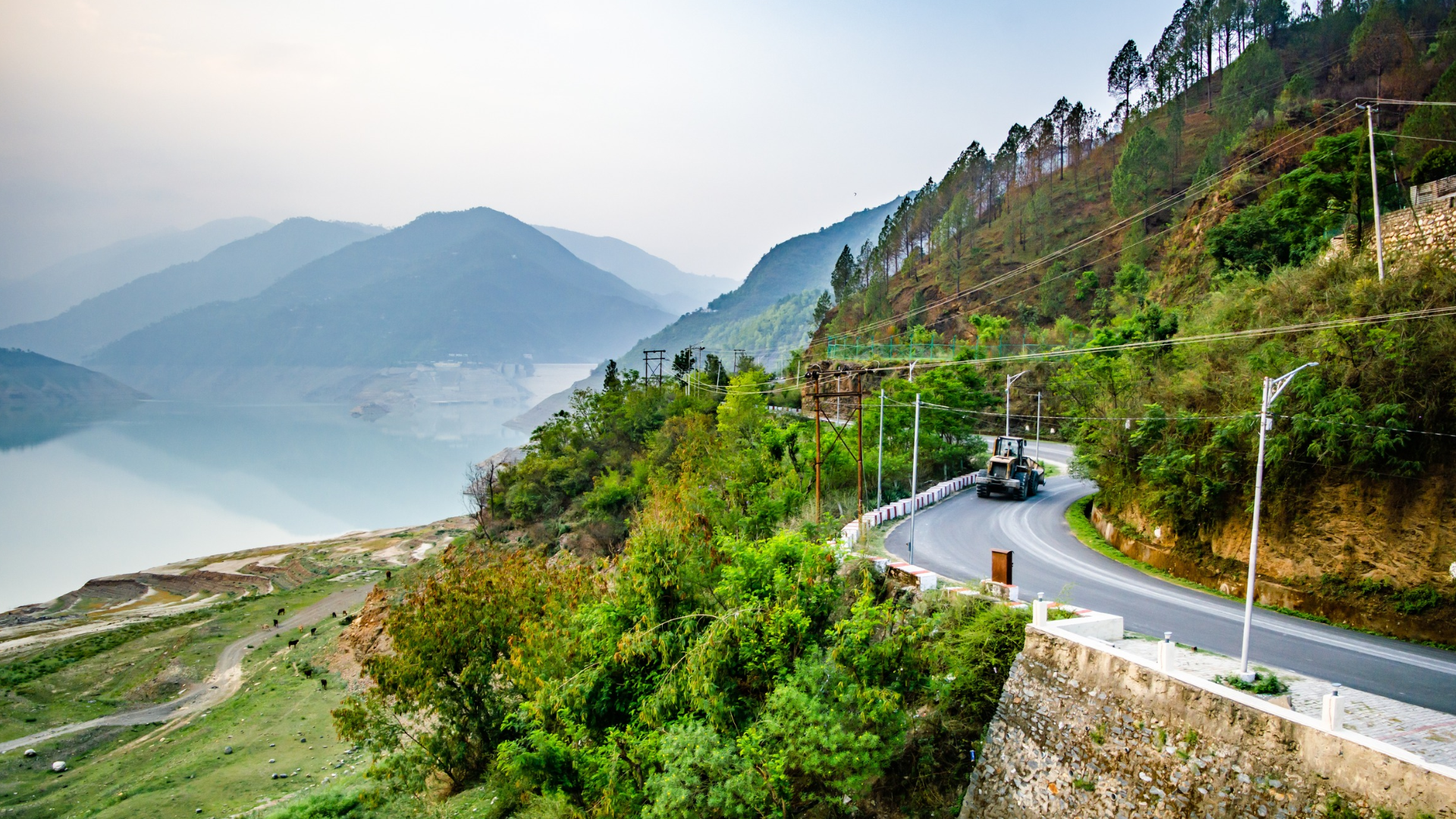
Curvy mountain roads on Tehri Garhwal, Uttarakhand. Adobe.
Mittal Institute: Your research examines how changing rainfall patterns could reshape landslide susceptibility in regions such as Tehri Garhwal. What have been some of the most significant findings so far, and how might they inform climate adaptation and disaster preparedness at the local level?
Aditya Anand: Using six bias-adjusted CMIP6 models downscaled to about 25 km, I found that under a high-emissions scenario, monsoon rainfall over Tehri Garhwal could increase by roughly 30% by the late century. All six models agree on the increase. Heavy-rainfall extremes also intensify, and the models probably underestimate them. Winter nights warm by nearly 5 °C, faster than days. For local authorities, this means drainage, slope protection and early-warning thresholds designed for past rainfall may no longer be adequate. Preparedness should plan for wetter and more intense monsoons rather than historical averages.
Mittal Institute: Looking back at your fellowship journey, how has your time at the Mittal Institute shaped your research and academic thinking? Were there any particular interactions, discussions or opportunities that had a lasting impact on you?
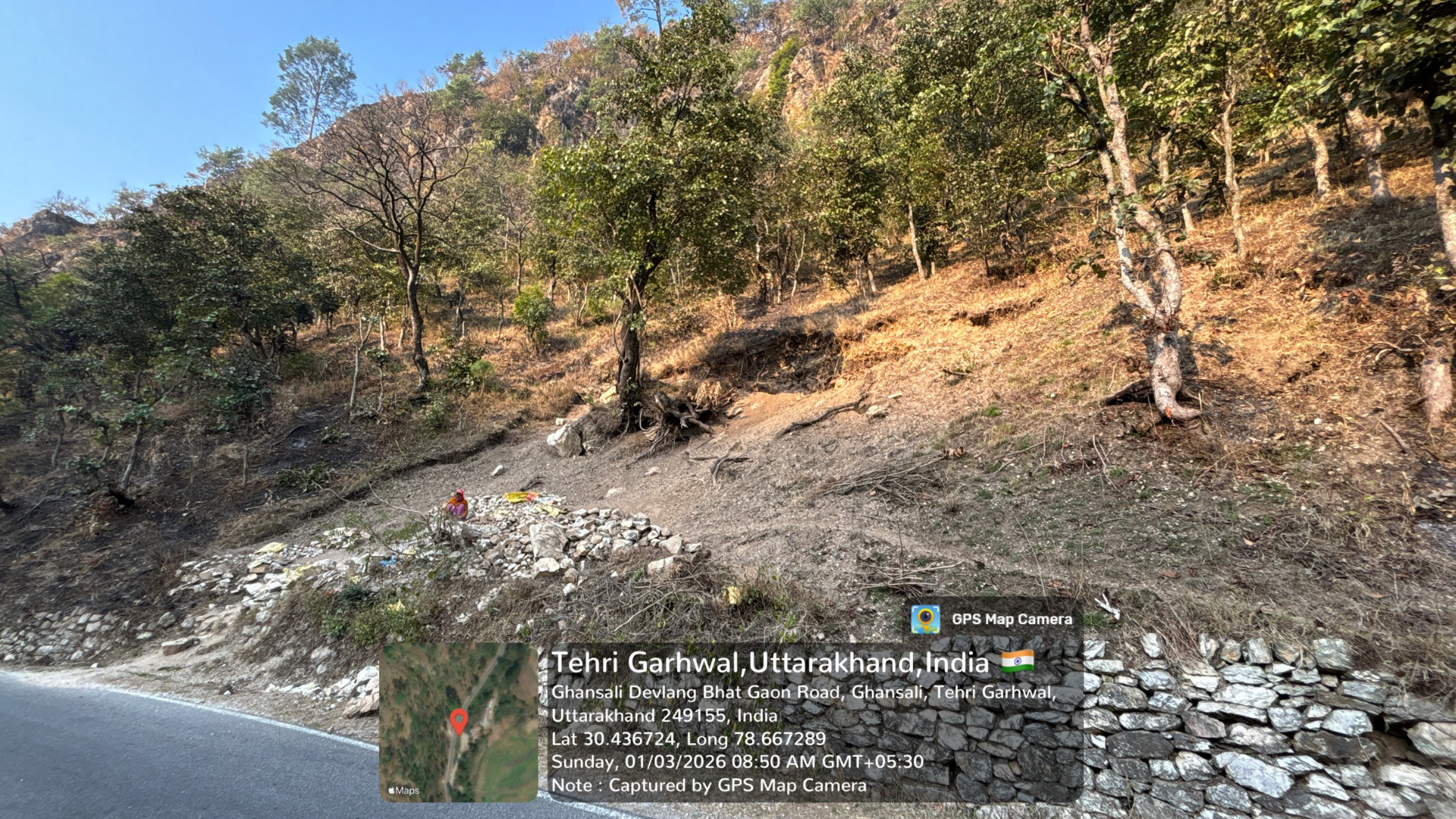
Aditya Anand: The fellowship gave me the time and space to move beyond asking how the climate will change and towards asking who bears its consequences. Through Harvard’s library, I could read research articles and books that broadened my understanding of landslide risk, and suggestions from my mentor helped me sharpen the paper’s framing. A highlight was the workshop “The Geological Turn in Himalayan Environmental History” in Kathmandu, where I presented my paper, “Anticipating Unstable Ground,” on climate-driven landslide futures and land-use planning in Tehri Garhwal. Engaging with historians and social scientists showed me that unstable ground is as much a political and historical question as a geological one. My work now goes beyond physical hazard to consider exposure, vulnerability and planning, which I now see as central to understanding risk.
Mittal Institute: Has engaging with Harvard faculty, researchers and the wider Mittal Institute community introduced you to perspectives or disciplines that you might not otherwise have encountered? Could you share a specific example?
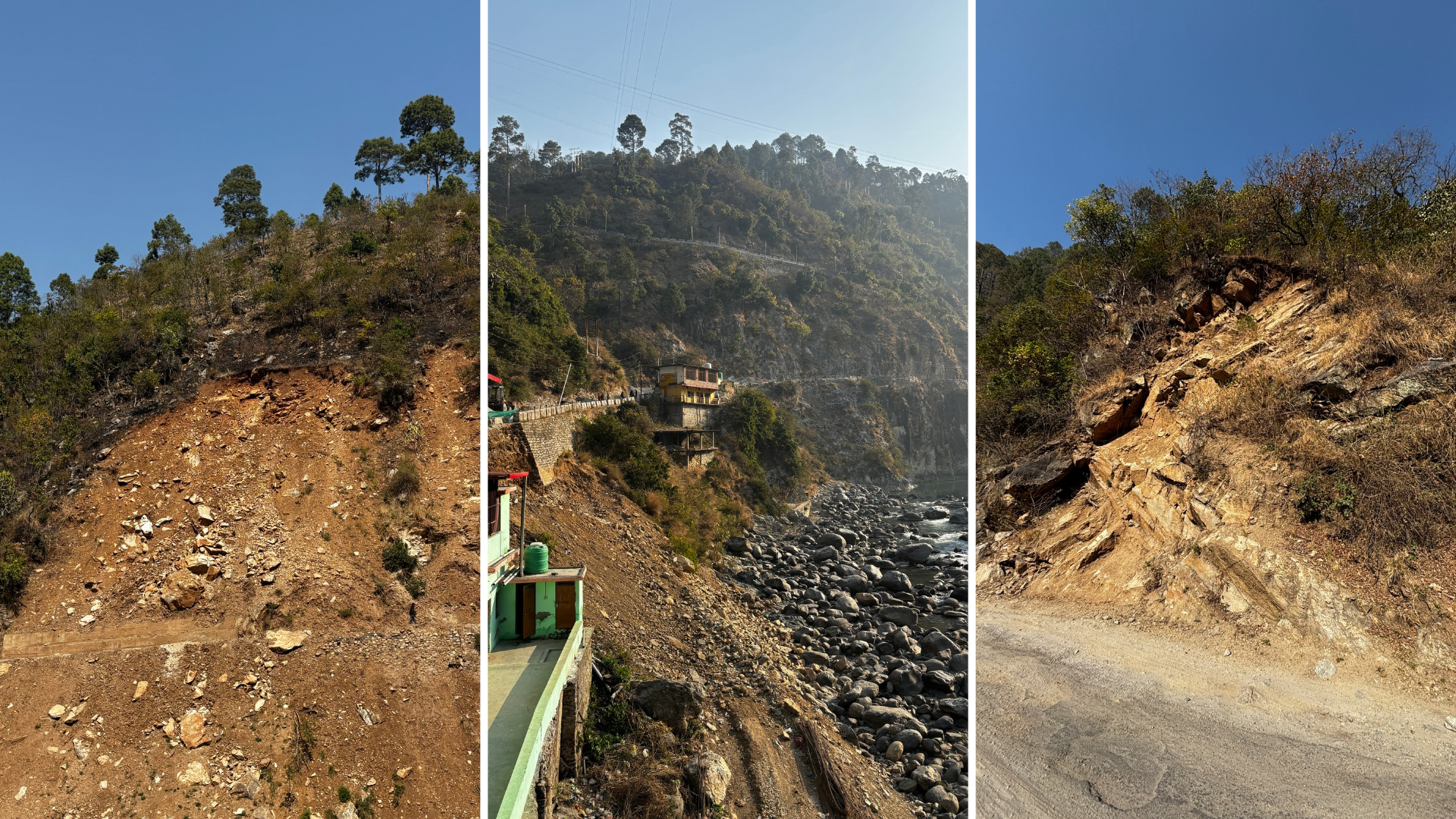
Aditya Anand: Yes. As a climate scientist, I had approached landslides mainly as a physical problem of rainfall and slopes. Working with my faculty mentor introduced me to public health and geography, which showed me that landslides affect communities long after the event, by cutting access to hospitals, disrupting care and increasing health risks. Two villages facing the same rainfall can experience very different outcomes depending on roads, livelihoods and access to services.
Mittal Institute: What is one question emerging from your research that you think deserves greater attention from policymakers or the research community? How do you hope to pursue it beyond the fellowship?
Aditya Anand: How will landslide-triggering rainfall thresholds shift as the Himalaya warms, and are our warning systems ready for that? Current thresholds are based on past rainfall, but my projections suggest monsoons will be wetter and more intense. Using outdated thresholds risks missed warnings or a loss of trust from false alarms. Beyond the fellowship, I aim to combine climate projections with landslide inventories, exposure and vulnerability data to map future risk at the district scale. I hope to work with state disaster management agencies so that the results inform planning on the ground.
☆ The views represented herein are those of the interview subject and do not necessarily reflect the views of the Mittal Institute, its staff, or its steering committee.