

Gauri Nagpal, Founder of e-Rehri
In 2022, Electric Rehri (or e-Rehri for short) was named a winner of the Mittal Institute’s Seed for Change competition for its work to make street vending more sustainable and affordable. The project retrofits traditional Indian street carts with electric vehicle technology, helping vendors transport fresh produce more efficiently while reducing emissions.
Since receiving the grant, e-Rehri has moved from an initial prototype to the deployment of a fleet of electric carts in Chandigarh, India. Founded by Gauri Nagpal, a 2023 graduate of the Harvard Graduate School of Design and current doctoral candidate at Cornell University, the initiative demonstrates how community-driven ideas can lead to practical solutions that support local livelihoods and advance sustainable urban mobility.
Below, Nagpal reflects on the project’s journey, its progress to date, and what comes next for e-Rehri.
In Chandigarh, a street vendor’s cart is required to fit within a space measuring five feet by six feet. For a vendor carrying fruit, vegetables, tea, or household goods, this is anything but a minor technical rule. A conventional rehri can be nearly twice that length and the difference between twelve feet and six can determine whether a person is permitted to work, fined, or asked to move. e-Rehri began with a deceptively simple question: could the cart change shape without shrinking the livelihood it carried?
With support from the Lakshmi Mittal and Family South Asia Institute’s Seed for Change grant, more than forty rehriwallas, mechanics, fabricators, and municipal officials worked together to answer that question. In a corner of Chandigarh’s Sector 48 motor market, mechanics paused between jobs to test spare parts and debate what would be cheaper, stronger, and easier to repair. A local welder who usually made playground swings eventually fashioned a pivot from a bicycle frame, a door hinge, and three bolts. The front assembly could now turn ninety degrees, allowing the cart to fold into the required footprint. Removable wooden shelves added capacity vertically, while an electric motor reduced the physical burden of pushing heavy loads across the city.
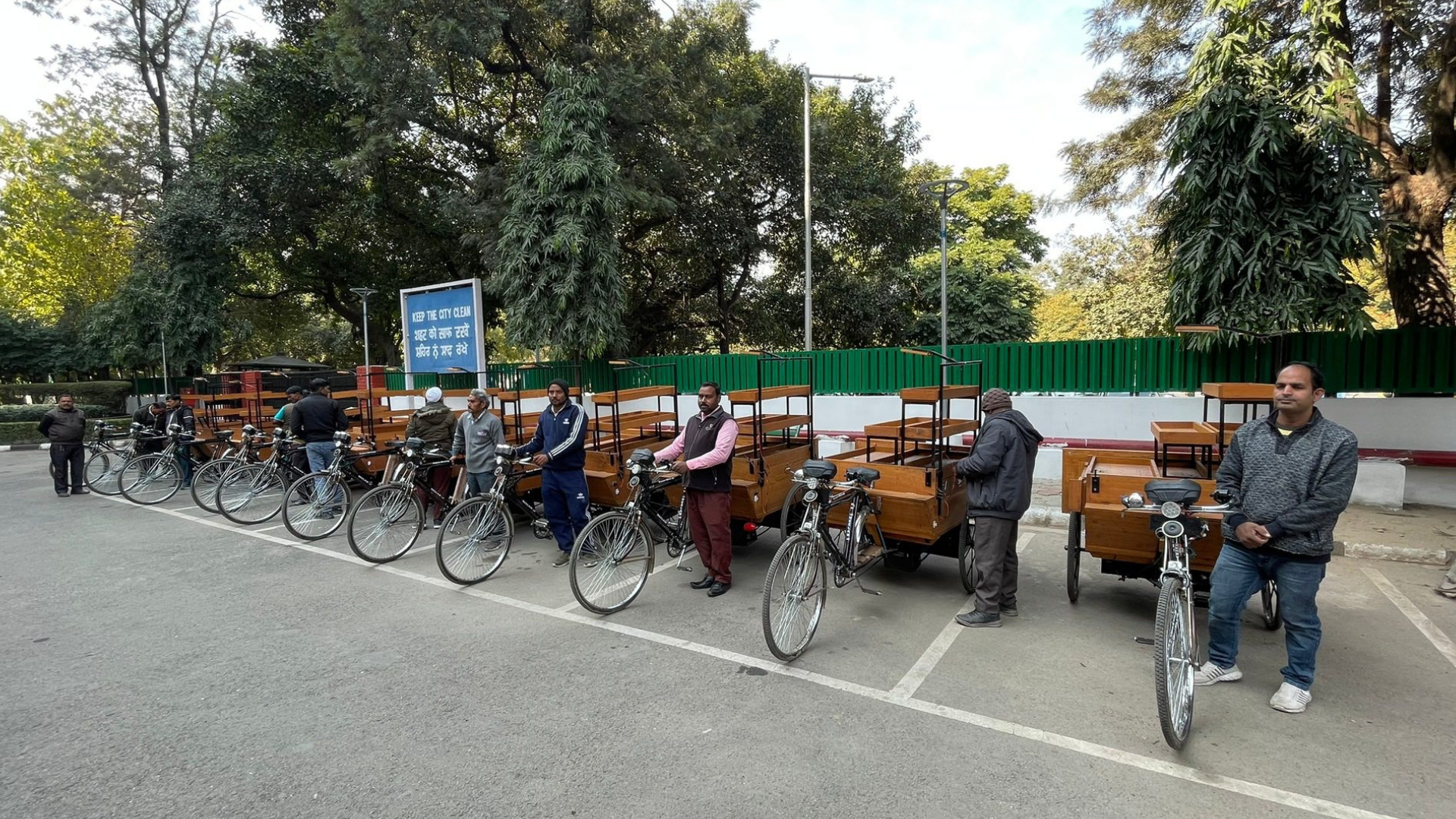
Even the electric system was designed around uncertainty. During the process, one vendor asked, ‘What if we do not earn enough to charge the cart tomorrow?’ So the rehri retained a manual mode. Electrification would extend a vendor’s range, but a dead battery would not end the working day. Every major component was sourced within twenty kilometers so that repair would remain in the hands of local mechanics rather than distant manufacturers.
 Affordability was the intelligence that organized the design itself, as opposed to something considered after the design was complete.
In January 2023, the first fleet of e-Rehris were launched by Chandigarh’s mayor and given to vendors free of cost. The carts improved mobility and reduced physical strain, and their municipal visibility offered vendors a measure of protection. Yet the years since have also clarified the limits of what a vehicle can do. The project has not expanded into a much larger fleet. Municipal funding remains uncertain, and a cart that complies with a bylaw cannot by itself resolve insecure licenses, uneven enforcement, or the constant possibility of displacement. Design can create a foothold within the city – it cannot substitute for rights and protection.
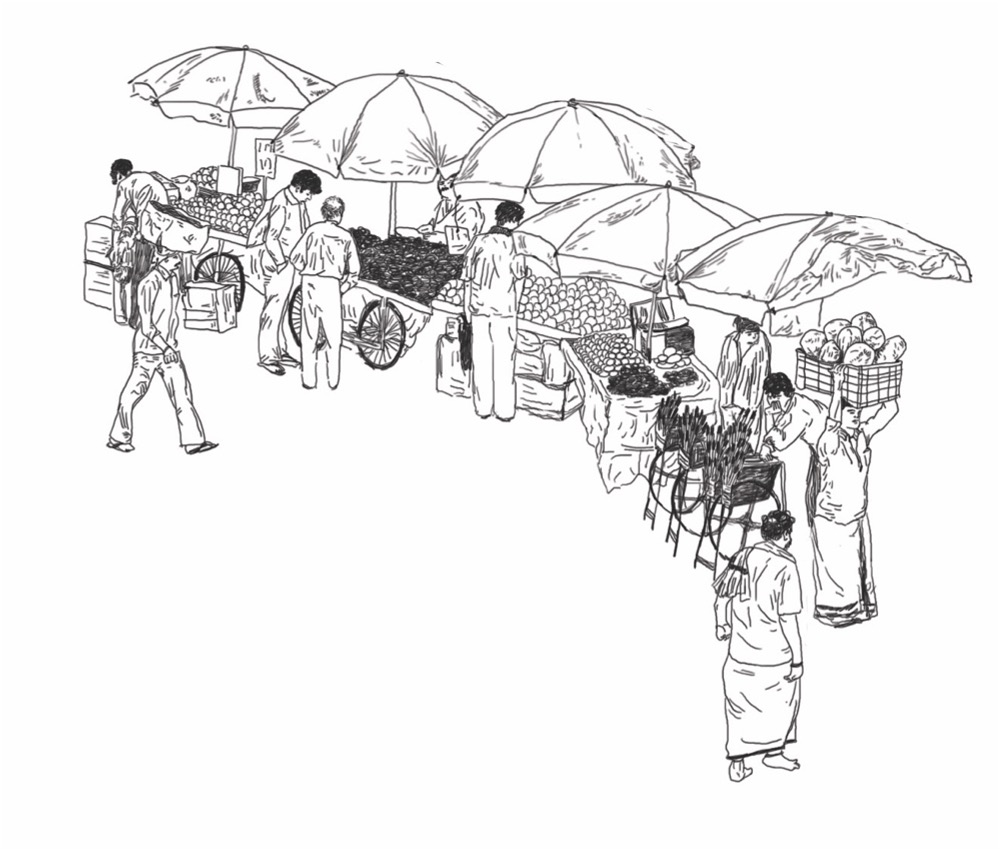
That tension has led me to understand e-Rehri differently. I first approached it as a vehicle that might solve a practical problem. I now see it as evidence of a much wider form of urban expertise. Chandigarh is celebrated as a city designed by planners and architects, but it is remade every day by people adapting its rules, materials, and spaces to make life possible. When rehriwallas modify a cart, build a temporary market, or devise a repair that can be copied by others, they are designing the city itself.
I call this ‘everyday design’ – the small, iterative acts through which people negotiate the terms of their presence (Nagpal, 2026). It looks different from the innovation we usually celebrate since it does not begin with a new product or a polished master plan. It begins with what already exists – a cart that must keep moving, a narrow daily income, a regulation that does not fit lived reality, and a network of people who know how to make things work. Its preferred language is retrofit rather than replacement, maintenance rather than novelty, and adaptation rather than perfection.
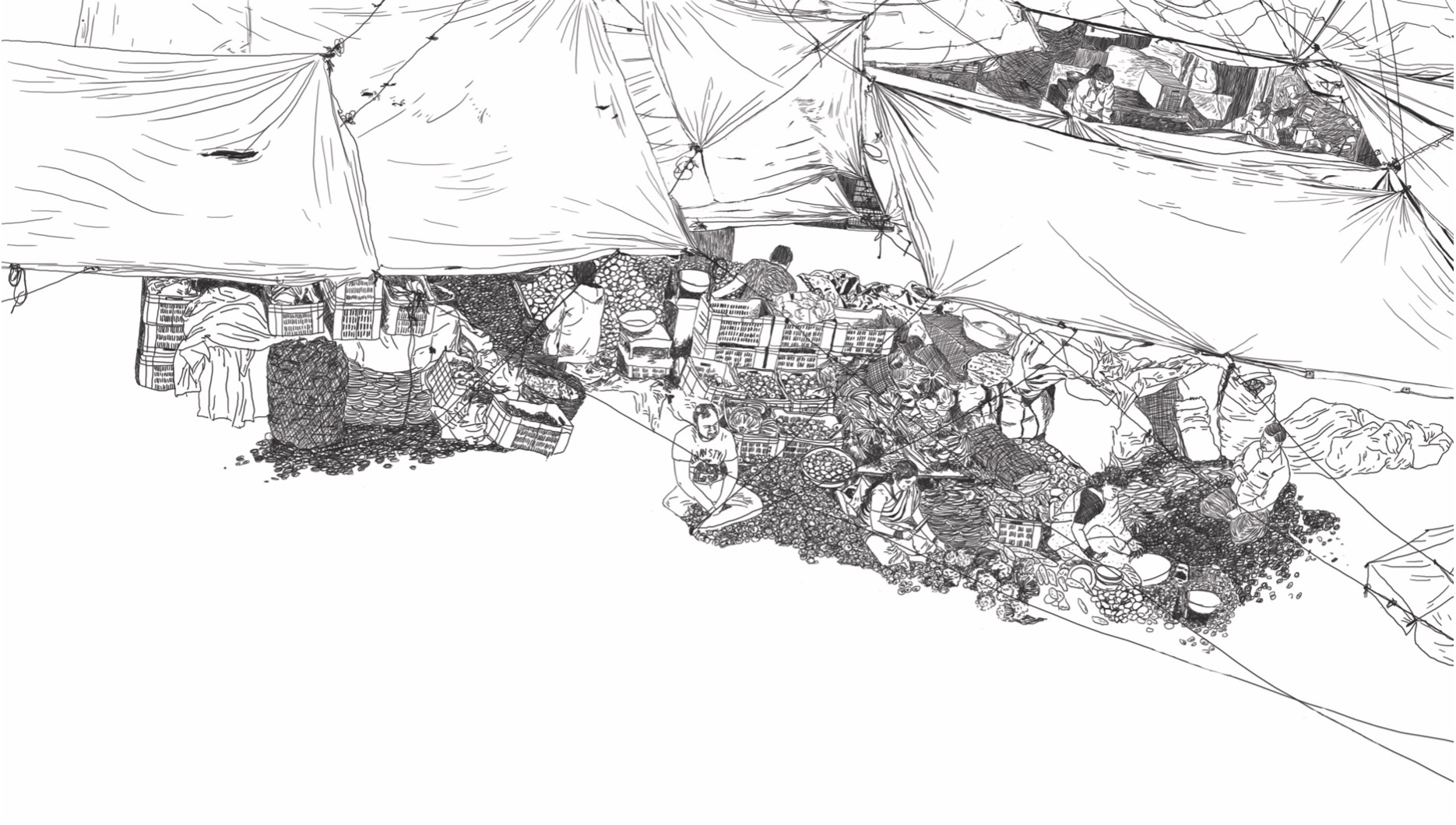
In that sense, e-Rehri has scaled in a way I did not initially anticipate – not primarily as a fleet, but as a way of seeing. It asks us to broaden who counts as a designer and what counts as design, and to recognize that informal workers are already producing urban knowledge through hinges, welds, routes, repairs, and relationships.
The next phase of the project will stay close to that lesson. I hope to document how the existing carts have changed through use, understand which modifications vendors have retained or abandoned, and develop an open, adaptable kit of parts rather than a single standardized product. I also want to explore forms of public and climate finance that can support cleaner mobility without transferring new costs and risks onto vendors. The future of e-Rehri, as I now imagine it, is not thousands of identical carts. It is a city willing to learn from the people who already know how to keep it moving.
Nagpal, G., 2026. Designing informal mobility: Chandigarh’s rehriwallas in motion. City 1–20. https://doi.org/10.1080/13604813.2026.2661491
Images drawn by Gauri Napgal.
☆ The views represented herein are those of the interview subject and do not necessarily reflect the views of the Mittal Institute, its staff, or its steering committee.