Call for Papers: India and Pakistan Conference at the University of London
The University of London is seeking papers for the chance to present at the upcoming conference, India and Pakistan: The Formative Phase 1947–c.1960, in May 2019.
Krupa Makhija is of the first generation of her family to be born in post-Partition India, her parents and grandparents having migrated from the Sindh Province of Pakistan during the Partition. She grew up hearing stories of the pre-Partition era, but only after high school and her art education did she become more curious about her culture, language, and identity. “Art education has created a kind of sensitivity in me, to question things about myself,” she says. Krupa takes the experiences she’s been told about from the Partition era and infuses their emotions and symbolism into her artwork to create a larger dialogue.
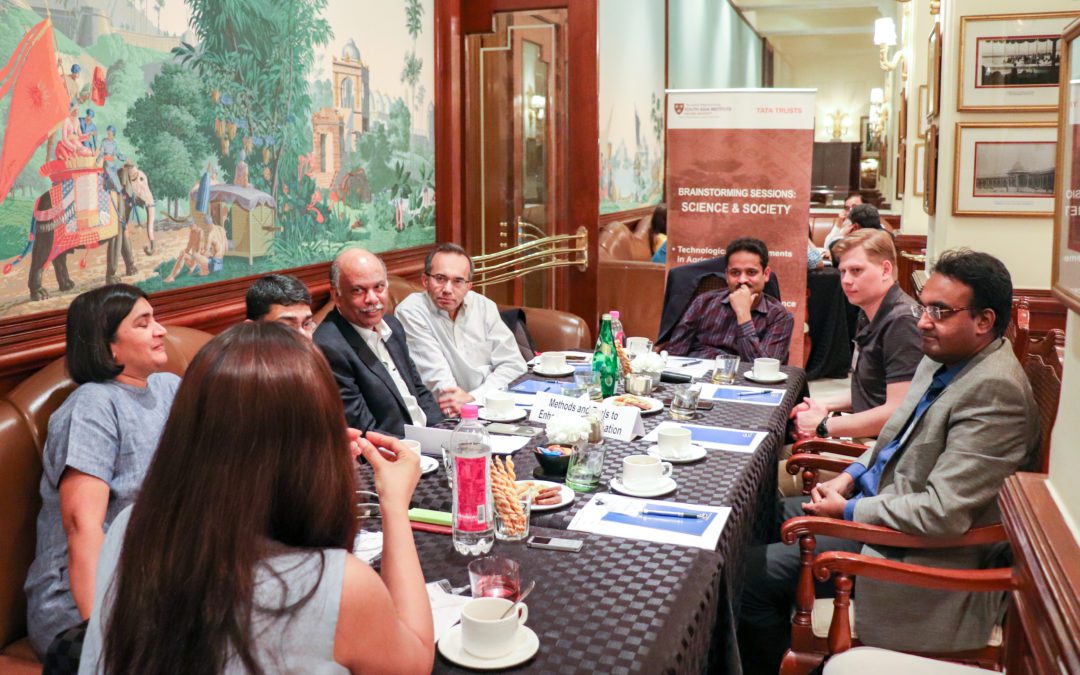
Does the issue of ethics apply to all areas of genetics research? The news is constantly filled with stories questioning the authority of scientists to make decisions about human gene-editing and the future of the human race — but there’s more to genetics research than changing someone’s eye color or other physical predispositions. Genetics research opens the door to profound advancements in food security and public health, the management of which will become crucial in the years to come.
The landlocked, extreme northeastern region of India is connected to the rest of the nation via a corridor of land between Bangladesh and Myanmar. In the 1960s, its tribal community rose in an insurgency against the Government of India, with songs their call-to-arms. Mittal Institute Raghunathan Family Fellow Roluahpuia explains how.
To build our relationships with Harvard’s different schools, faculty, and student body, we are looking to hire student ambassadors from each of Harvard’s schools. These student ambassadors will help us connect with Harvard students, spread the word about our events, and use their unique knowledge of their own school to brainstorm potential new or partnered events for the Mittal Institute to host.
Dr. Dominic Mao, originally from Manipur, Imphal — a state in the extreme northeastern region of India — recently set out to create a program there to engage high school students and college-level teaching assistants in a Western-style educational format. He teamed up with three Harvard undergraduates and one alum to make it happen.
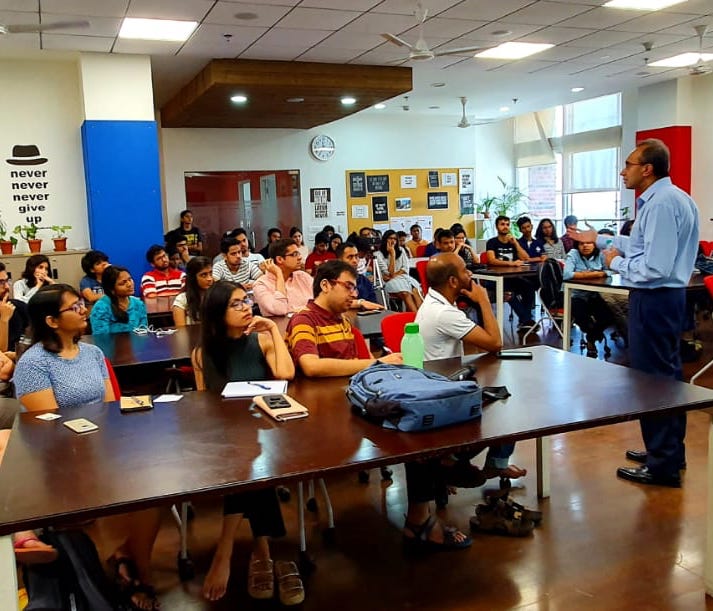
Last week, Dr. Pratap Bhanu Mehta — Vice Chancellor of Ashoka University in India — visited the Mittal Institute for an informal lunch with faculty and doctoral students. At the lunch, Dr. Mehta discussed the creation of Ashoka University, its commitment to the liberal arts, and the plans for its future.
On December 7–8, 2018, the Lakshmi Mittal and Family South Asia Institute, the Department of History of Art and Architecture at Harvard University, and the Harvard Art Museums organized “TRACE: Artisanal Intelligence, Material Agency, and Ritual Technology in South Asian Art” — a symposium that brought together scholars of South Asian art, history, and culture.
Earlier this week, Bilawal Bhutto, Chairman of the Pakistan Peoples Party, visited Harvard University for a talk sponsored by the Mittal Institute that culminated in a spirited debate on welfare, Pakistan’s youth, education, and geopolitics.
Last week, Professor Tarun Khanna — Director of the Mittal Institute and Jorge Paulo Lemann Professor at Harvard Business School — was invited for a radio interview with a station run by Knowledge@Wharton on SiriusXM to discuss his latest book, Trust.
If a university wants to be taken seriously today, it’ll need a global outlook. That’s the key message Professor Mark C. Elliott, Vice Provost for International Affairs at Harvard University, conveyed during a talk in New Delhi on Monday, February 11, as part of the India Seminar Series.
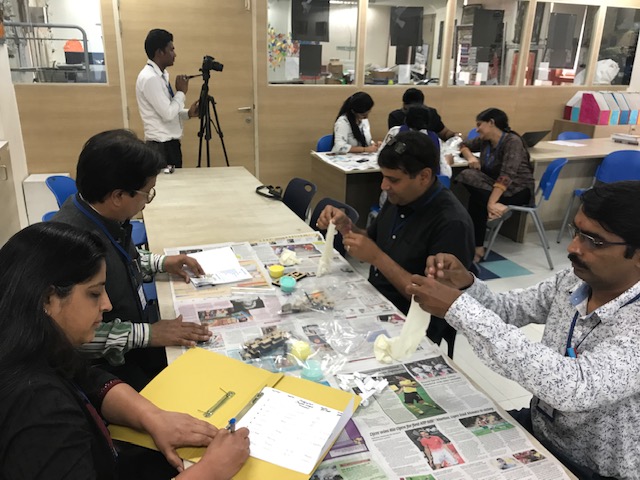
In the small tribal community of Palghar in India, many needlessly become ill due to preventable diseases. One team sets out to change everything.